Usporiadanie Chochmah, Binah a Da'at
Sami Bsoul, PhD
This essay sits at the intersection of my two fields: psychology and Biblical Hebrew. (You can listen to Psalm 1 in Hebrew here 
 Music)
There is something unsettling about Psalm 1.
It does not begin with the great sins.
It does not begin with the murder, the theft, the cruelty, the corruption…
It begins much earlier.
Before the act.
Before the damage.
Before the person has become recognizable as the person they will eventually become.
It begins with counsel.
Then a way.
Then a seat.
That movement is easy to read as poetry.
Psychologically, it is much more disturbing.
Because a person rarely becomes what they are in one dramatic morning.
They become it gradually.
A thought is
Sami Bsoul, PhD
This essay sits at the intersection of my two fields: psychology and Biblical Hebrew. You can listen to this psalm in original Hebrew here Music
Psalm 3 begins in a situation most of us hope never to understand.
David is running from his own son.
Not from a stranger.
Not from an enemy he has always known.
From Absalom.
His son.
And before we even reach the psychology of the Psalm, we should
Bow Your Heavens and Come Down– A Prayer for Israel | Sami Bsoul
This is an ancient prayer, raw, and urgent. King David, the warrior of Israel, looked up at the heavens and cried out for the only help that could truly save. He asked God to tear open the sky, to come down, to scatter the enemies with lightning and confusion.
Today, add your voices to his. Stand with Israel, not with slogans, but with the words of Tehillim. We ask the same thing David asked: “Send forth Your hand from on high; deliver me, and save me.”
May the One who split the sea and made the mountains smoke watch over the land and people of Israel. Amen.
#StandWithIsrael #Psalm144 #Tehillim #JewishPrayer #SoulOfTorah
@souloftorah This is not a political statement. It is a prayer, ancient, raw, and urgent. King David, the warrior of Israel, looked up at the heavens and cried out for the only help that could truly save. He asked God to tear open the sky, to come down, to scatter the enemies with lightning and confusion. Today, add your voices to his. Stand with Israel, not with slogans, but with the words of Tehillim. We ask the same thing David asked: “Send forth Your hand from on high; deliver me, and save me.” May the One who split the sea and made the mountains smoke watch over the land and people of Israel. Amen.#psalms #jewishtiktok #SoulOfTorah #torahsoul ♬ original sound - Torah Soul
Sami Bsoul, PhD
Some loves cannot be explained. They can only be shown through the skin.
What Is Israel For You
When they ask me, "What is Israel for you?"
a thousand words could come
but I say nothing
I roll up my sleeve
If you cut my flesh
my blood runs blue and white
That is all
The rest is wind
Ask no more
This is not a standard prayer; it is a 12th‑century elegy born in the ashes of the First Crusade. Composed by the heartbroken survivors of the Rhineland massacres (1096), "Av HaRachamim" became the anthem of Ashkenazi martyrdom. Singing this text, you are
@souloftorah This is not a standard prayer; it is a 12th‑century elegy born in the ashes of the First Crusade. Composed by the heartbroken survivors of the Rhineland massacres (1096), "Av HaRachamim" became the anthem of Ashkenazi martyrdom. Singing this text, you are channeling the voices of the communities of Mainz, Worms, and Speyer, the "pious, upright, and blameless" who chose death over forced conversion. This is "Av HaRachamim." The Father of Mercy remembers. Hebrew: אָב הָרַחֲמִים שׁוֹכֵן מְרוֹמִים. בְּרַחֲמָיו הָעֲצוּמִים הוּא יִפְקֹד בְּרַחֲמִים הַחֲסִידִים וְהַיְשָׁרִים וְהַתְּמִימִים. English: Father of Mercy, Who dwells on high. In His great mercy, He will graciously remember the pious, the upright, and the blameless.#jewishtiktok #souloftorah #psalms #psalm ♬ original sound - Torah Soul
This is David’s song of pure thanks, to God with his whole heart, together with the congregation. Verse by verse, he lists the reasons to be thankful: God’s wonders, His justice, His mercy, His eternal covenant. The psalm ends with one of the Bible’s most famous teachings: “The beginning of
Music
@souloftorah This is David’s song of pure thanks, to God with his whole heart, together with the congregation. Verse by verse, he lists the reasons to be thankful: God’s wonders, His justice, His mercy, His eternal covenant. The psalm ends with one of the Bible’s most famous teachings: “The beginning of wisdom is the fear of the Lord.” When you sing these words, you are not just reciting a psalm. You are joining a chain of praise that has never stopped, from the Temple in Jerusalem to your own voice, right now. The Midrash Tehillim (מדרש תהלים) explains that in the future, when God brings justice, the righteous will shine like the sun. The psalm praises God’s righteous works that stand forever. The rabbis also teach that the psalm moves from praising God’s universal greatness (the first half) to praising God’s specific kindness to Israel (the second half). The final verse, “The beginning of wisdom is the fear of the Lord” (רֵאשִׁית חָכְמָה יִרְאַת יְהֹוָה), is one of the most famous lines in Tehillim. It means that real wisdom starts with a deep respect for God, not just with intelligence or learning.#psalms #psalm #jewishtiktok #torahsoul #SoulOfTorah ♬ original sound - Torah Soul
Sami Bsoul, PhD
This is Soul of Torah, my additional space to share ancient Jewish wisdom for modern souls. One line at a time. Short teachings with deep roots. Every post brings you something straight from the source.
Find the Torah Soul on TikTok. And on YouTube.
One of the most powerful piyutim. יְדִיד נֶפֶשׁ Yedid Nefesh Those who have prayed it have found what they needed, not always what they asked for. A 16th-century Kabbalistic piyut (prayer poem) from Safed. A mystical love piyut where a vulnerable soul begs for intimate revelation and finds healing. A request for unity and the longing of love.A piyut to awaken the soul to love of the Blessed God. You don't sing it to perform. You sing it to feel close. That's the prayer. That's the peace. #yedidnefesh #JewishPrayer #jewishtiktok #psalms
@souloftorah In my opinion, this is one of the most powerful piyutim. יְדִיד נֶפֶשׁ Yedid Nefesh Those who have prayed it have found what they needed, not always what they asked for. A 16th-century Kabbalistic piyut (prayer poem) from Safed. A mystical love piyut where a vulnerable soul begs for intimate revelation and finds healing. A request for unity and the longing of love.A piyut to awaken the soul to love of the Blessed God. You don't sing it to perform. You sing it to feel close. That's the prayer. That's the peace. "Beloved of the soul, compassionate Father — draw Your servant to Your will." #yedidnefesh #JewishPrayer #jewishtiktok #psalms ♬ original sound - Torah Soul
This is a sacred declaration of inner strength, sung once to activate immediate resilience. It calls upon the Creator of all as the Mighty of Powers, asking for clarity in the mind, courage in the heart, and peace in the soul. It shields the singer in times of
Music
Sami Bsoul, PhD
"Blessed are You, Lord our God, King of the universe, who has kept us alive, sustained us, and brought us to this moment."
This is the Shehecheyanu, one of the most cherished blessings in Jewish tradition. It is not a prayer of request but a prayer of recognition.
Music
@souloftorah "Blessed are You, Lord our God, King of the universe, who has kept us alive, sustained us, and brought us to this moment." This is the Shehecheyanu, one of the most cherished blessings in Jewish tradition. It is not a prayer of request but a prayer of recognition. It is said whenever we experience something new: the first bite of a seasonal fruit, the donning of a new garment, the lighting of holiday candles for the first time in the year, or the joy of welcoming a child into the covenant. It is said upon seeing a friend after a long separation, upon moving into a new home, and even upon hearing good news. The blessing originates in the Talmud (Berachot 54a), where the Sages teach that we are obligated to offer this praise for every significant new experience. The three words used, Shehecheyanu (Who has kept us alive), Kiyemanu (Who has sustained us), and Higiyanu la‑zman hazeh (Who has brought us to this time), are not mere repetition. Each phrase expresses a different dimension of gratitude: for the gift of life itself, for the strength to endure, and for the privilege of arriving at this precise moment. The mystics see in this blessing a profound teaching: every new beginning is a taste of redemption. When we recite Shehecheyanu, we are not just marking time, we are sanctifying it. We are declaring that the present moment is a gift, that joy is holy, and that every arrival is worthy of a blessing. This video is a musical rendition of the Shehecheyanu blessing, a reminder to pause, to feel, and to say "thank You" for being here, now. #jewishtiktok #psalm #psalms #BirkatHaShehecheyanu ♬ original sound - Torah Soul
Sami Bsoul, PhD
Psalm 1. Ashrei HaIsh: The Gateway to True Happiness The Book of Tehillim (Psalms) opens with a single, powerful word: Ashrei, “Happy is the man.”
This is not a request for blessing; it is a declaration. The psalm then paints two contrasting portraits: a tree planted by streams of water, and chaff blown away by the wind.
Music
Sami Bsoul, PhD
Psalm 13: The prayer that begins in despair and ends in trust.
''How long, O Lord, will You forget me, forever? How long will You hide Your face from me?''
The psalm is built around the fourfold repetition of the Hebrew phrase עַד אָנָה (ad anah), "How long?" This repeated cry is the central motif of the psalm, moving from a question of divine absence to
Music
Sami Bsoul, PhD
This is Psalm 150, the final and most exalted psalm in the Book of Tehillim, whose very name means "Praises." "Halleluyah! Praise God in His sanctuary; praise Him in the firmament of His power." It is not merely a prayer; it is pure praise, seen by Jewish tradition as the
Music
Sami Bsoul, PhD
Psalm 21 is structured in four distinct movements, moving from individual praise to a cosmic vision of redemption and concluding with the
Music
Sami Bsoul, PhD
Hidden in the Zohar, whispered in ancient Aramaic, the Berikh Shemeh prayer is one of Kabbalah's most profound secrets. It is not a plea for material things, but a declaration of divine unity, a moment when the soul steps out of time and connects directly to
Music
Sami Bsoul, PhD
From the depths, mimamakim, the psalmist cries out. Not from the peak of the mountain. Not from the quiet of the study hall. From the bottom. From the place of drowning, of despair, of being completely overwhelmed. This is Psalm 130, one of the fifteen "Songs of Ascents." But before any ascent, there is a
Music
Sami Bsoul, PhD
The Kaddish is one of the most ancient and sacred prayers in the Jewish liturgy, a luminous declaration of faith that has been chanted for over two thousand years. Its words are a profound affirmation of
This ancient Aramaic prayer is a song of life, not a dirge of death. It rises above sorrow to declare that even in our darkest moments, we can find strength to praise. Its melody carries the hope for peace from generation to generation. When you hear its words, you are listening to the voice of Jewish eternity, a declaration that God's great name will be blessed forever, no matter what. Sami Bsoul
@souloftorah The Kaddish is one of the most ancient and sacred prayers in the Jewish liturgy, a luminous declaration of faith that has been chanted for over two thousand years. Its words are a profound affirmation of God's greatness and a yearning for peace, recited by millions around the world in times of both sorrow and joy. You can hear its haunting melody in almost any synagogue service. When you sing this prayer, you are connecting to a chain of tradition that stretches back through centuries of Jewish history. This ancient Aramaic prayer is a song of life, not a dirge of death. It rises above sorrow to declare that even in our darkest moments, we can find strength to praise. Its melody carries the hope for peace from generation to generation. When you hear its words, you are listening to the voice of Jewish eternity, a declaration that God's great name will be blessed forever, no matter what. #Kaddish #JewishPrayer #SoulOfTorah #PrayerForPeace #psalms ♬ original sound - Torah Soul
Sami Bsoul, PhD
Most people think the list of Israel’s kings is just names and dates, but the Talmud and Midrash add flesh to these bones, revealing that one king died by a swarm of gnats, another was killed by a snowball dropped from heaven, and a third reigned for only seven days after burning down his own palace.
Sami Bsoul, PhD
We sing it at the close of Shabbat. We chant it on Yom Kippur. Children hum it in school. But here is what almost no one knows about this piyut (Jewish liturgical poem). We do not
@souloftorah Adon Olam. We sing it at the close of Shabbat. We chant it on Yom Kippur. Children hum it in school. But here is what almost no one knows about this piyut (Jewish liturgical poem). We do not know who wrote it. Some say Solomon ibn Gabirol, the great 11th‑century poet of Spain. Others say Hai Gaon of Babylonia, a century earlier. And some attribute it to Rabbi Yohanan ben Zakkai, a sage from the Talmudic era. But the truth is, the author is completely unknown. That mystery is the first clue: this is not just a prayer. It is a riddle. In Hebrew, the word Olam does not only mean “world.” Its root means “hidden.” The Kabbalists teach that Olam is something beyond time and space – infinite yet ungraspable. So when we sing Adon Olam, we are not just saying “Lord of the world.” We are saying: the entire universe is God’s garment. We do not see God directly. We see what God wears. This is one of the few piyutim in Jewish liturgy with a strict, fixed meter. Every line follows the same pattern. That mathematical precision is not accidental. The poet is telling us: chaos is an illusion. Beneath the surface, everything is measured, ordered, and aligned. In Morocco, within the Sephardic tradition, Adon Olam is sung at two completely different moments: at weddings, and at the deathbed. The same words that celebrate a new beginning also accompany a soul’s departure. Why? Because Adon Olam teaches that from before creation until after the end of time, God is the same. There is no gap between life and death – only a continuous handing over of the spirit into God’s hands. The last line of Adon Olam is the one we say before sleep: “Into His hand I commit my spirit when I sleep and when I wake.” Judaism turns every night into a rehearsal for death. Not because we fear death, but because we practice trust. If you can hand your soul to God while you sleep, you can hand it over in the hard moments too. Adon Olam is not a poem about a distant King. It is a map for how to live inside a hidden world – and still trust the One who wears the universe as a garment. #adonolam #jewishtiktok ♬ original sound - Torah Soul
Sami Bsoul, PhD
Most people think Psalm 1 is just a general poem about good guys and bad guys. But the Midrash reveals something astonishing: the “Blessed is the man” opening isn’t anonymous advice, it’s King David’s own blessing over Israel, spoken after he
Music
Sami Bsoul, PhD
Most people assume Psalm 2 stands alone as a prophecy about future events. But the Talmud reveals something unexpected: Psalm 2 was originally
Music
Sami Bsoul, PhD
Most people assume Psalm 3 is simply a cry of fear from a father fleeing his rebellious son. But the Midrash reveals something astonishing
Music
Sami Bsoul, PhD
Most people read Psalm 4 as a quiet bedtime prayer, a peaceful meditation before sleep. But the Jewish sources reveal something unexpected: Psalm 4 is a battlefield. According to the
Music
Sami Bsoul, PhD
Most people assume Psalm 5 is simply a morning prayer, a quiet way to start the day. But the Talmud and the Midrash
Music
Sami Bsoul, PhD
Purim. Sviatok, ktorý má všetky ingrediencie dobrého trileru. Kráľ, čo si myslí, že je pánom sveta. Krásna kráľovná, ktorá tají svoj pôvod. Zloduch s egom veľkým ako perzská ríša. A za celým príbehom niekto, koho v Megile ani raz nespomenú - ale bez Neho by sa to celé skončilo úplne inak. Každý rok si tento príbeh pripomíname. Čítame Megilu, robíme hluk pri Hamanovom mene, posielame si jedlo a pomáhame tým, ktorí to potrebujú. Ale pod všetkými zvykmi a oslavami je jeden z najdramatickejších príbehov židovskej histórie. Príbeh o tom, ako sa dala dokopy záchrana celého národa- a ako sa "obrátilo" všetko presne naopak, než si nepriatelia plánovali.
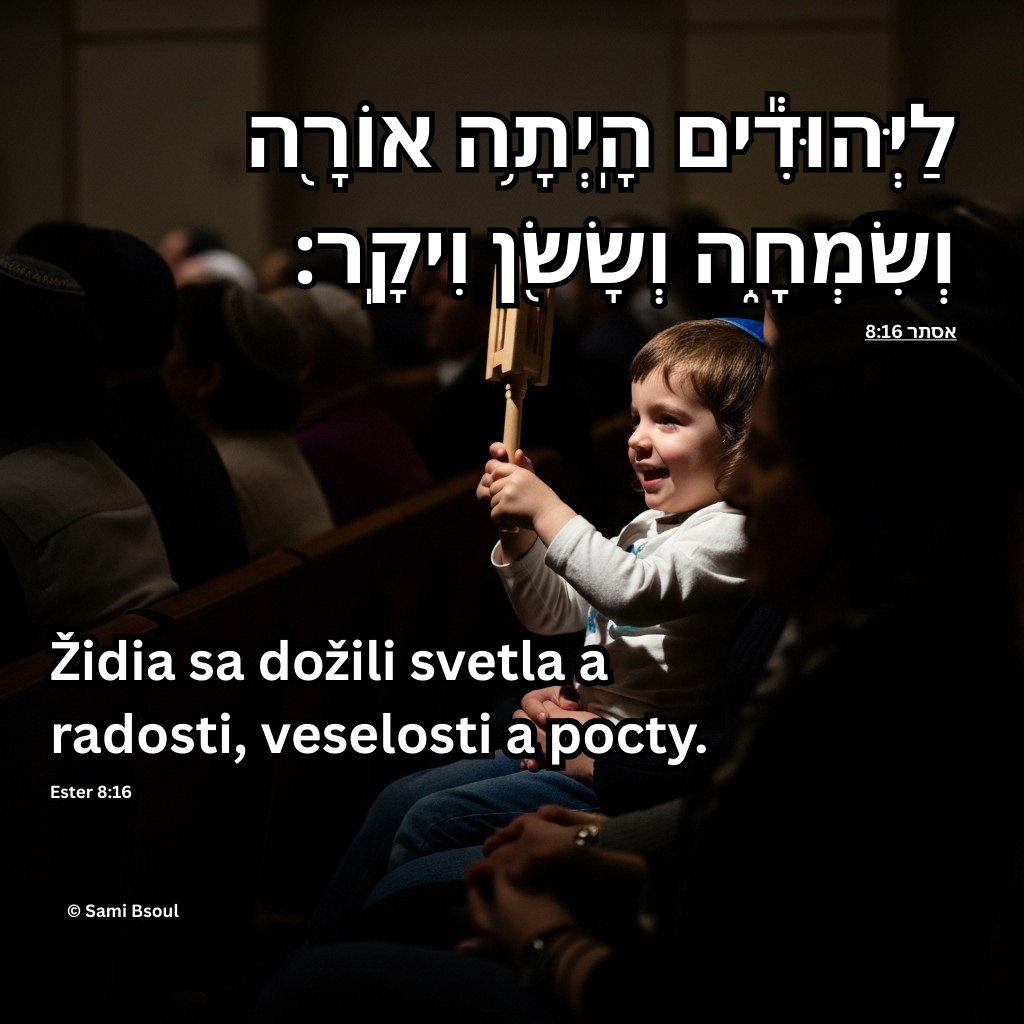
V tomto článku som dal dokopy všetko, čo o Purime potrebuješ vedieť. Nie je to žiadna encyklopédia, ale praktický ťahák:
kompletný preklad Megily - verš po verši, hebrejský text aj slovenský preklad
skrátený príbeh, akoby si pozeral film
prehľad postáv - kto je kto a prečo
časová os - kedy sa čo presne stalo
mapa - kde sa to odohrávalo
fakty, ktoré ti dajú do súvislostí, prečo je Purim taký, aký je a na záver to podstatné - ako sa to všetko premieta do dnešných zvykov
Žiadna vata. Žiadne zbytočné reči. Len čistý príbeh, fakty a súvislosti.
Výnimočnosť sviatku Pesach: Od vďačnosti k pýche a od kvaseného k nekvasenému
Sami Bsoul, PhD
יִחוּדוֹ שֶׁל חַג הַפֶּסַח: מִכְּפִיּוּת טוֹבָה לְגַאֲוָה, וּמֵחָמֵץ לְמַצָּה
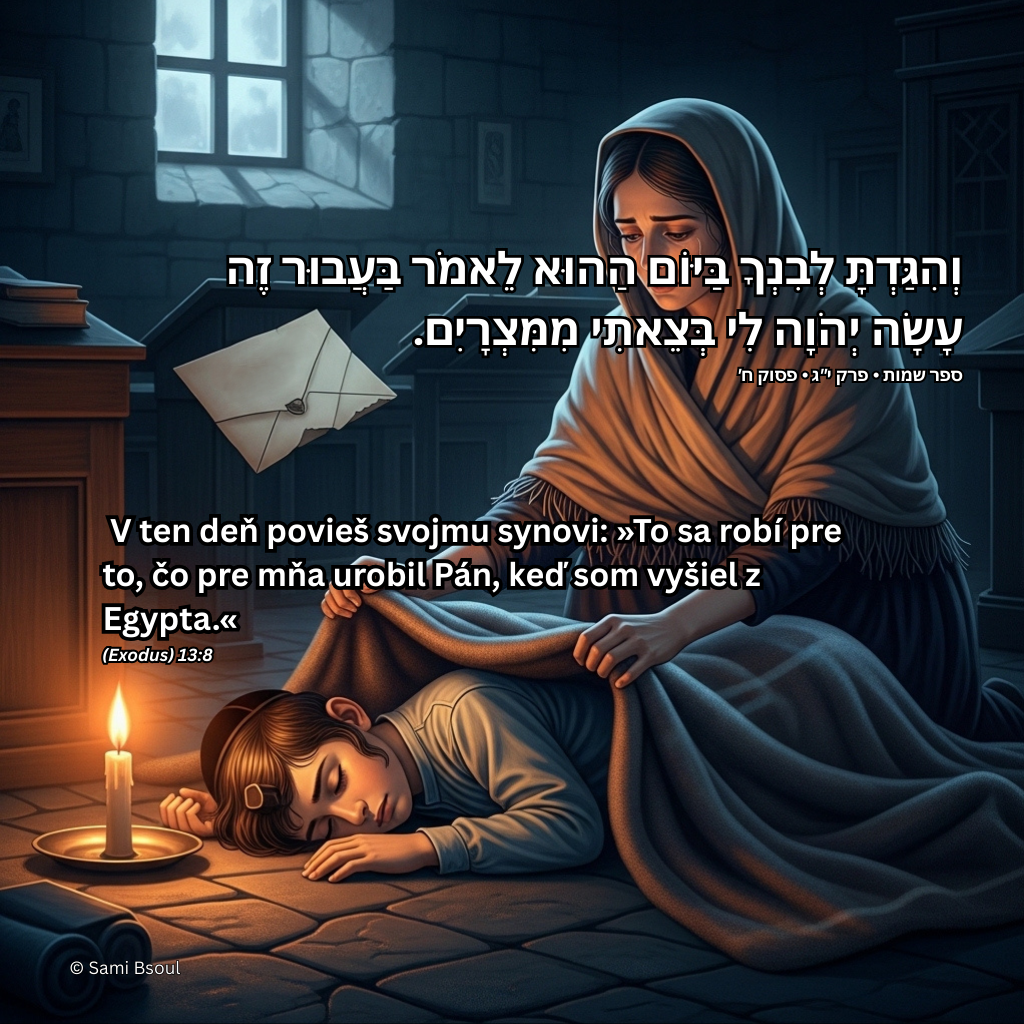
Dva symboly, dva svety. Na jednej strane chamec, nafúknutý, vzdušný, plný seba samého. Na druhej strane maca, jednoduchá, tenká, nenápadná. V židovskej tradícii nie sú tieto dva pokrmy len otázkou sviatku Pesach. Sú zrkadlom ľudskej duše. Kým chamec predstavuje pýchu a pocit sebestačnosti, maca je
Sami Bsoul, PhD
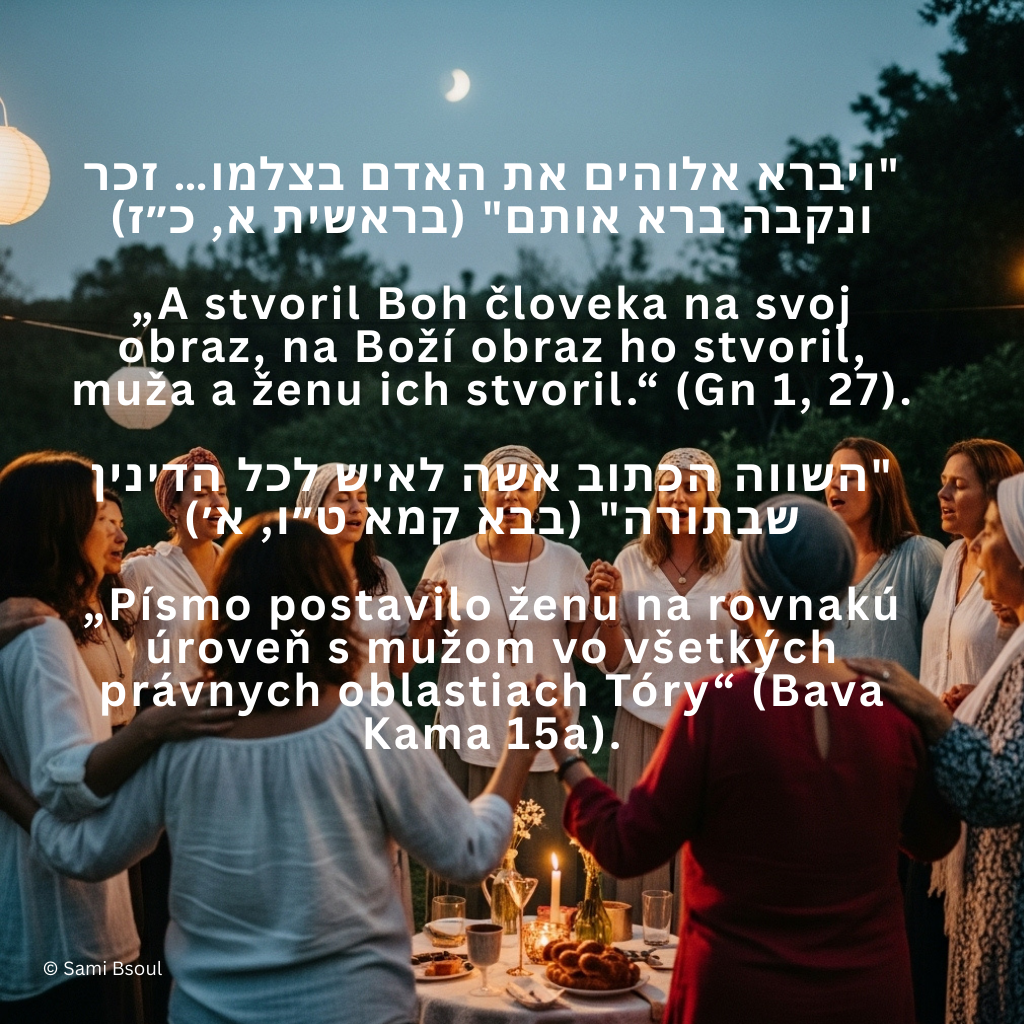
Často sa stretávame s nepresnými alebo čiastočnými výkladmi textov, ktoré skresľujú ich pravý význam. Väčšinou to nie je zámer, ale výsledok nedostatku znalosti hebrejčiny a neúplného pochopenia textu. Takéto nepresnosti môžu viesť k mylným predstavám, a práve preto je absolútne nevyhnutné pristupovať k výkladom s dôslednou presnosťou, rešpektom a štúdiom.
Judaismus vníma ženu ako
Sami Bsoul, PhD
V roku 1997 realizoval tím vedcov pod vedením Nicolasa Gisina na Ženevskej univerzite prelomový experiment v oblasti kvantovej fyziky. Experiment demonštroval fenomén nazývaný kvantové previazanie (angl. quantum entanglement) na makroskopickej priestorovej vzdialenosti.
V laboratóriu boli vytvorené dva previazané fotóny (častice svetla). Kvantový stav týchto fotónov bol taký, že
Sami Bsoul, PhD
Štúdium kabaly ma priviedlo k novému vnímaniu reality, k dimenziám, ktoré presahujú bežné chápanie mysle a presahujú aj hranice našej predstavivosti. Uvedomil som si, že každý detail sveta, každé slovo a dokonca každé písmeno v hebrejčine nesie v sebe hlboký, nekonečný božský plán (תָּכְנִית אֱלֹהִית אֵינְסוֹפִית).
Keď sa učíme hebrejský jazyk, v skutočnosti sa učíme Boží kódovací systém (מַעֲרֶכֶת הַצְּפָנִים שֶׁל אֱלֹהִים), kde každé písmeno nesie

Sami Bsoul, PhD
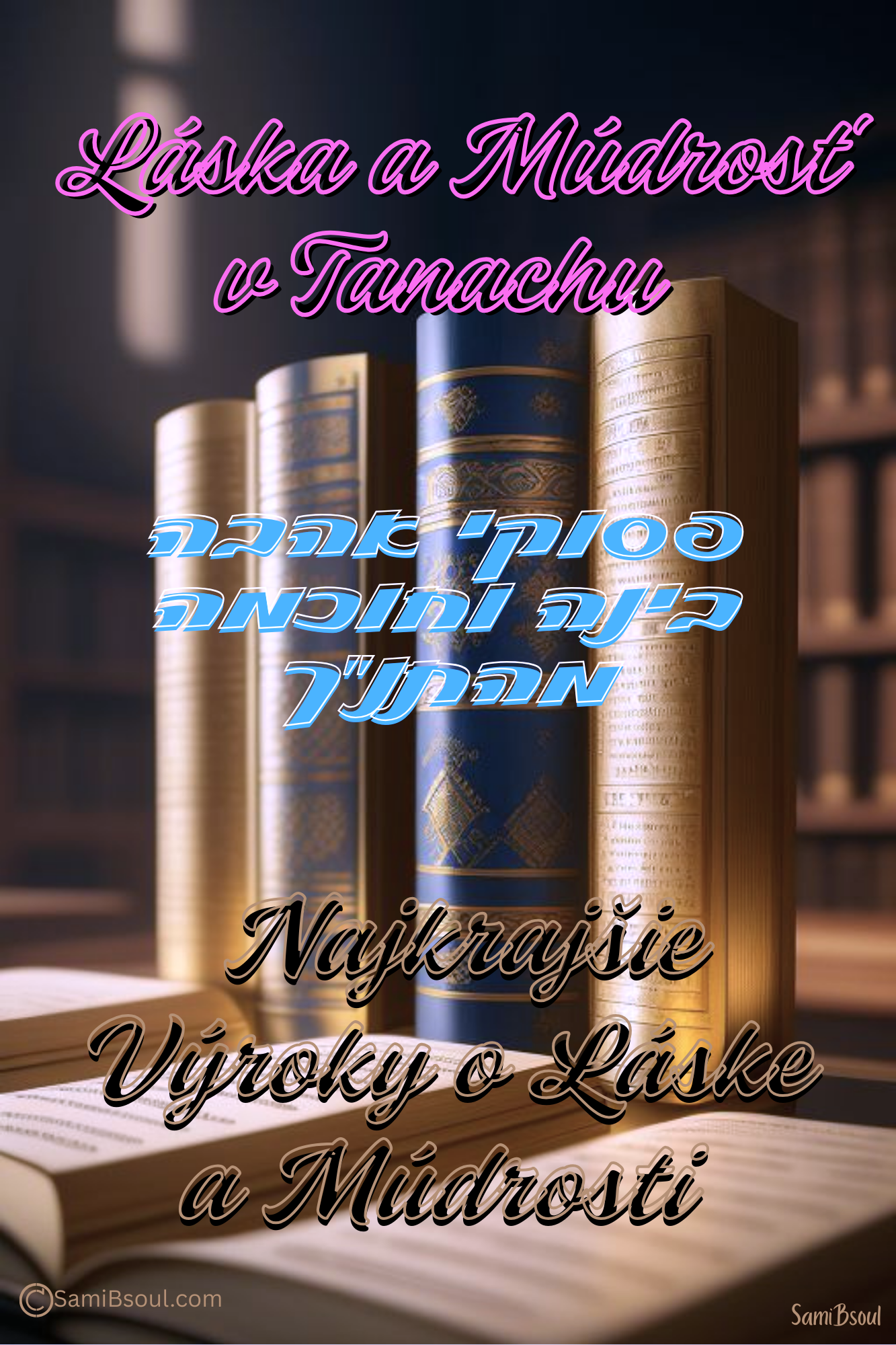
Tanach nepostráda bohatstvo naratívov zameraných na lásku; naopak, predstavuje jeden z najvýznamnejších a najhodnotnejších prameňov, v ktorom
Sami Bsoul, PhD
V tomto článku/dokumente sa pozrieme na zaujímavé otázky priamo z תנ"ך (Tanakh), ktoré si určite nevšimnete pri bežnom čítaní. Tieto otázky sa týkajú biblických veršov, ktoré odhaľujú jedinečné jazykové štruktúry hebrejského jazyka. A určite by ste ich nezachytili, ak by ste čítali len preložené verzie Tóry. Každá otázka prináša nové pohľady na hĺbku a krásu biblických textov.
Na počiatku, pohyblivá pieseň o stvorení
Melódia / hudobné prevedenie: Liel Bar-Z
Text: Sami Bsoul
Všetko začalo slovom,
Na počiatku On prehovoril, a svet sa zjavilo,
Rozkázal stvoreniu vzniesť sa z prázdnoty,
Jiskra malá, čo rozžiarila hlbiny temnoty.
Keď panovala prázdnota a pustatina,
Stvoril svet, dokonalý a celistvý,
Vdychol život do tých, čo dýchajú, i do tých, čo driemu.
Jeho slovo hýbe všetkým, čo jestvuje.
No ty stále kladieš otázky a odvraciaš sa:
Kto On je? Aký má zmysel všetko?
„Ja som, ktorý som,“ znie Jeho meno.
Kráčaš a dýchaš,
Požehnaný životom, čo svitá s úsvitom,
Požehnaný snami, čo padá s nočnou tmou.
Neboj sa, netráp sa, lebo stojím pri tebe,
Neochvejný ako strom, čo pevne stojí na poli,
Zakotvený v láskavosti a pravde.
Narodil si sa zo svetla a milosti,
V tichu šepotu vetra,
V tanci tvojej duše,
Odraz Stvoriteľa v tebe.
A predsa váhaš a pýtaš sa ďalej:
Kto On je? Aký je cieľ?
On je s tebou, nezúfaj,
Nikdy nezabudni na stĺp ohňa,
Jeho nekonečné milosrdenstvo.
Nezlyháš, nezastavíš sa,
Nikdy nebudeš opustený medzi národmi.
Zmluva, ktorú uzavrel, trvá naveky.
A predsa hľadáš a odvraciaš sa:
Kto On je? Čo je cieľom?
Dal ti more i pevninu,
Nebesá, zem a samotný čas.
Nezabudni na vedúci oblak.
Choď s celou silou svojou,
Od Sinaja po najvzdialenejšie končiny zeme.
A ak stále kladieš otázky,
Kto On je? Aký je cieľ?
Tu je odpoveď,
V piesni svojho srdca, v tichom modlení,
Celou svojou dušou.
Jeho divy sú nekonečné,
Nádej nepozná hraníc.
Všetko začalo slovom,
Na počiatku On prehovoril, a svet sa zjavilo.
Sami Bsoul, PhD
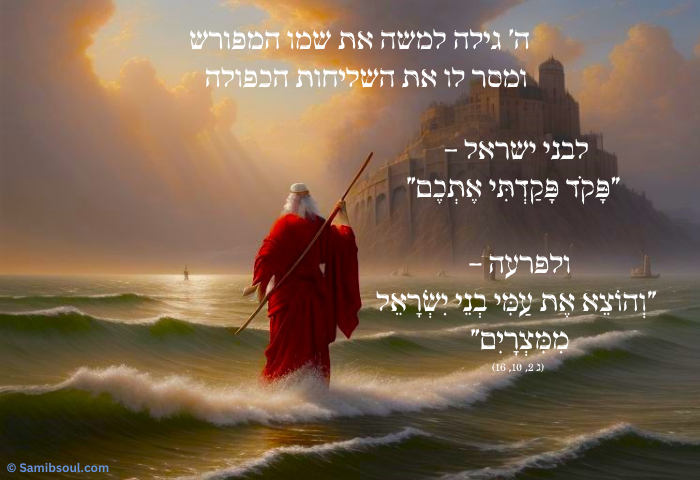
Mojžiš, táto výrazná historická osobnosť, predstavuje nielen symbol viery, ale zároveň zosobnenie neochvejného odhodlania a hlbokej lásky k svojmu ľudu. Jeho životný príbeh slúži ako
Etymológia, historický vývoj a kultúrny význam slova "יִשְׂרָאֵל"
Sami Bsoul, PhD
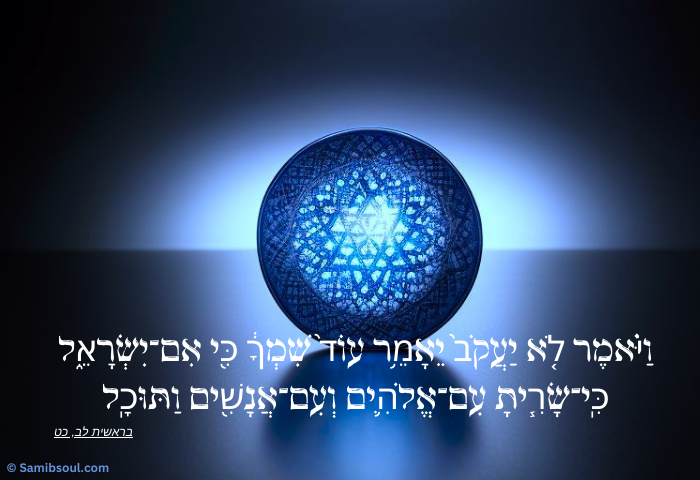
Slovo יִשְׂרָאֵל (Izrael) má hlboký historický, duchovný a kultúrny význam. Zahŕňa prvky osobnej identity, národného dedičstva, duchovného zápasu a politickej reality. V tomto článku vysvetlím význam slova יִשְׂרָאֵל od jeho
Sami Bsoul, PhD
Vek Zeme, ako ho opisuje moderná veda a Tóra, je témou, ktorá vyvoláva bohatú diskusiu medzi biblickými učencami, vedcami a teológmi. Pozrime sa na hlavné body oboch perspektív a na niekoľko prístupov, ktoré
Sami Bsoul, PhD
Variácie vo výslovnosti Tóry vznikajú z viacerých faktorov, vrátane regionálnych tradícií, jazykových vplyvov a historických výslovností, ktoré sa
Sami Bsoul, PhD
Mohol by som napísať dlhé a nekonečné texty o tom, čo robí dobrého študenta a kto sa kvalifikuje ako dobrý učiteľ. Ale neurobím to. Namiesto toho citujem niečo krátke, výstižné, v čo hlboko verím, a čo hovorí všetko:
וְאָהַבְתָּ לְרֵעֲךָ כָּמוֹךָ
(ויקרא יט, פסוק יח)
Čítanie: Ve'ahavta le-re'acha kamocha
„Milovať budeš svojho blížneho ako seba samého.“
Budeš milovať (וְאָהַבְתָּ): Táto fráza spája
Sami Bsoul, PhD
Video skúma zhodu medzi opisom stvorenia vo Tóre a modernou vedeckou teóriou Veľkého tresku. Podľa Tóry vesmír vznikol v
Sami Bsoul, PhD
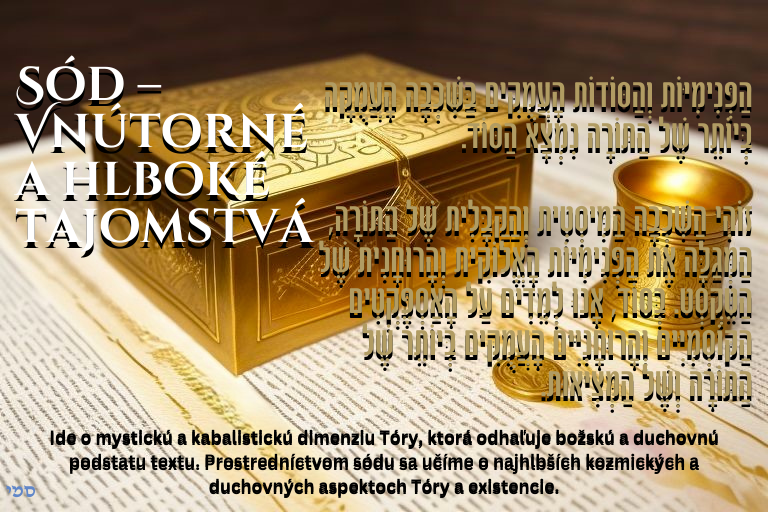
Niektorí ľudia vyrastajú, ale stále rozumejú Tóre rovnakým spôsobom, akým ju chápali, keď mali sedem rokov. Čo viac, sú presvedčení, že ich pochopenie je správne.
Sami Bsoul, PhD
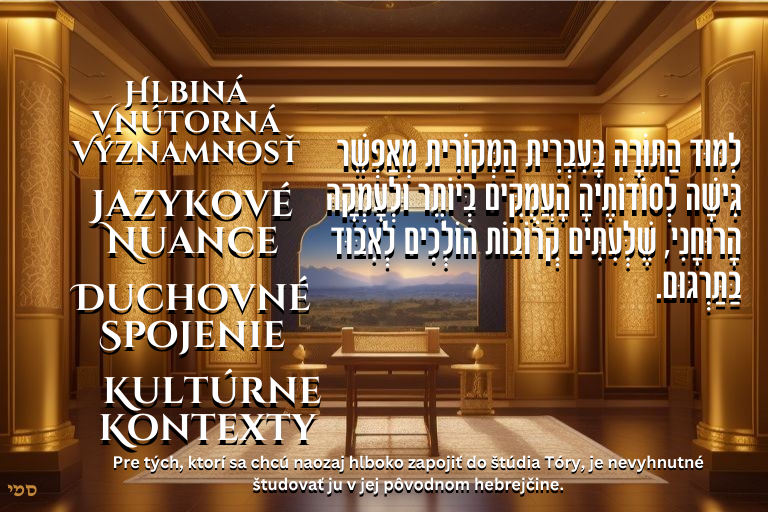
Rozdiel medzi štúdiom Tóry v hebrejčine a štúdiom Tóry v cudzom jazyku je presne taký, ako rozdiel medzi fotografiou človeka a skutočnou osobou. Z diaľky vidíme, že fotografia zachytáva osobu, ale keď sa priblížime, zistíme, že
Sami Bsoul, PhD
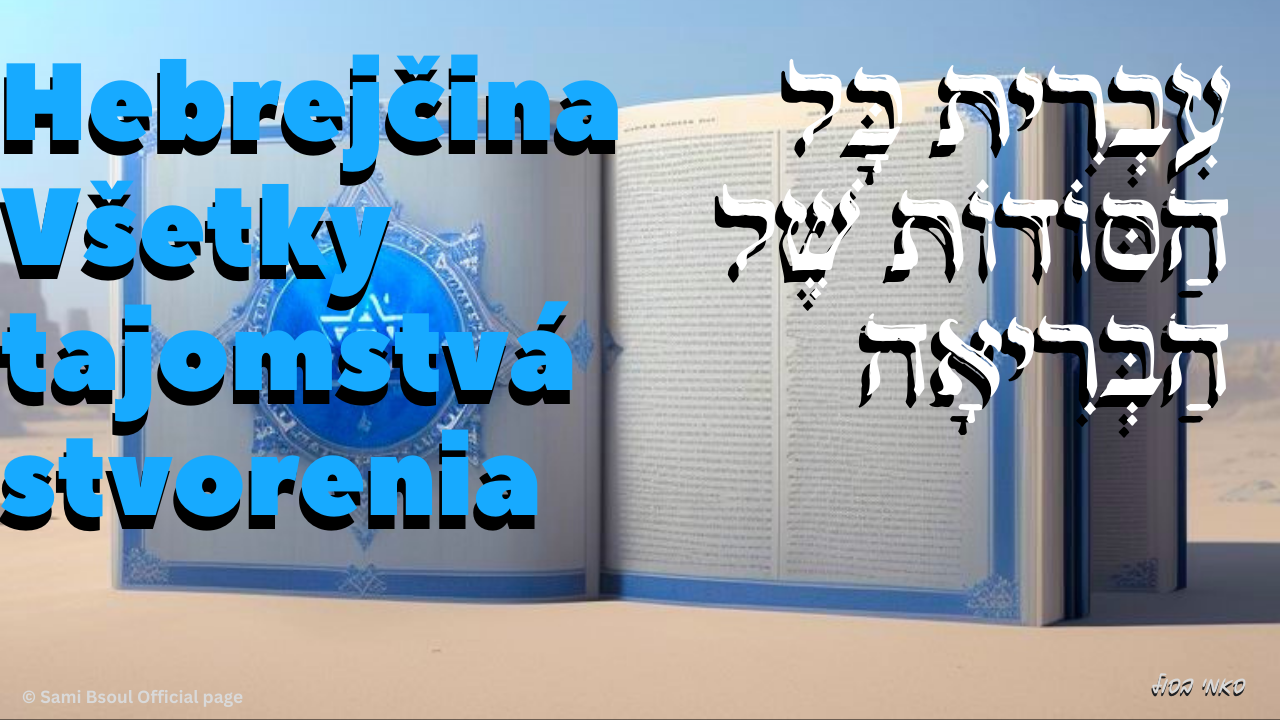
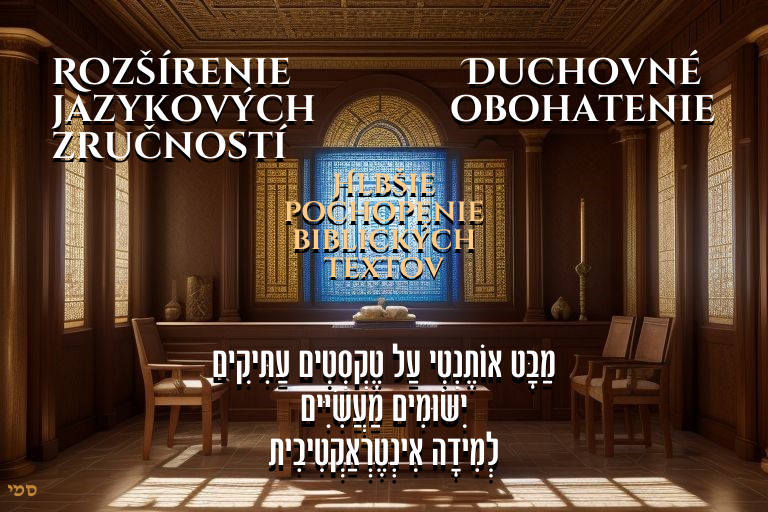
Prečo sa učiť biblickú hebrejčinu? Biblická hebrejčina je kľúčom k hlbšiemu porozumeniu starovekých textov, ktoré formovali náboženské a kultúrne základy našej civilizácie.
Sami Bsoul, PhD
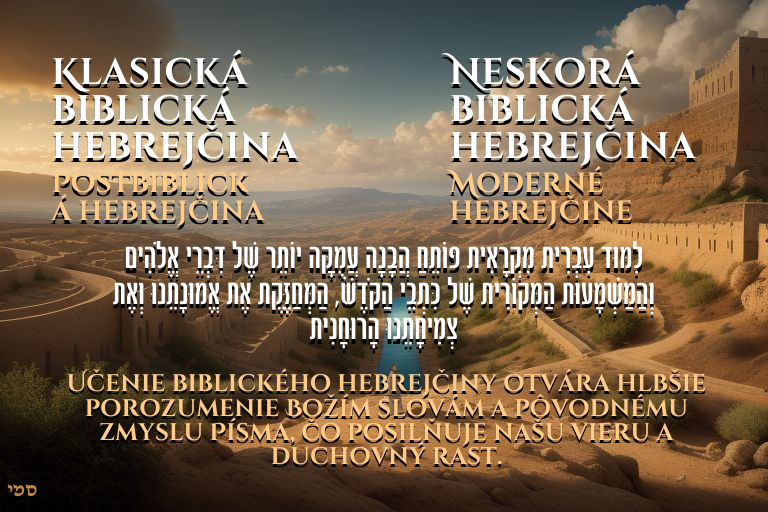
Biblická hebrejčina je viac než len jazyk starovekých textov; je to okno do minulosti, ktoré odhaľuje, ako malá, ale vplyvná kultúra prispela k rozvoju moderných jazykov a náboženského myslenia.
Lyrics written by Sami Bsoul
This song is a heartfelt journey of seeking and finding the Divine. It speaks to the moments of uncertainty and longing, asking why we wait, and reminds us of the One who watches over us, the Creator of all. Through powerful lyrics, the song reflects on the majesty of God, His creation, and the unique bond between Him and humanity.
With each verse, we are reminded to lift our eyes and turn our face toward Him, acknowledging His works and the greatness of His name, now and forever. This is a song of praise, faith, and deep spiritual connection.
Sami Bsoul, PhD
Tento kurz sa hlboko zaoberá významom biblických pojmov v ich pôvodnom hebrejskom jazyku, aby vám umožnil vidieť texty v novom svetle, ktoré preklady nemôžu plne zachytiť. Študenti sa naučia
Sami Bsoul, PhD
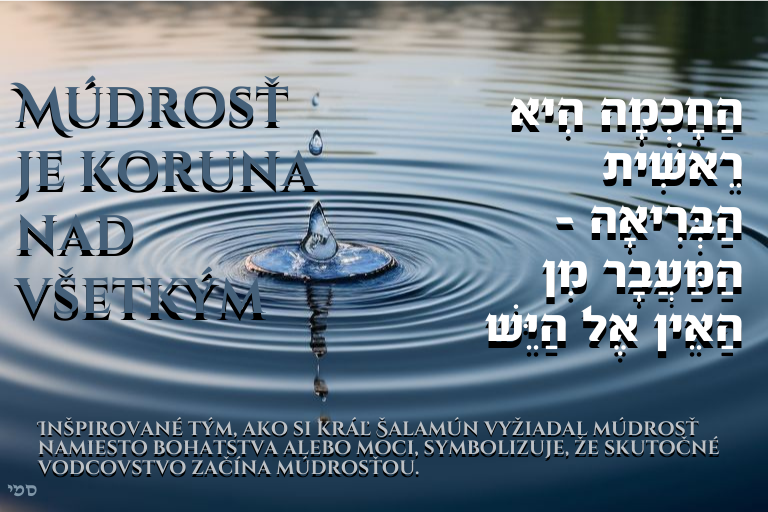
Koncept múdrosti je kľúčový v Starom aj Novom zákone a formuje pochopenie praktického života, morálky a podstaty Boha. Múdrosť v Starom zákone poskytuje
Sami Bsoul, PhD
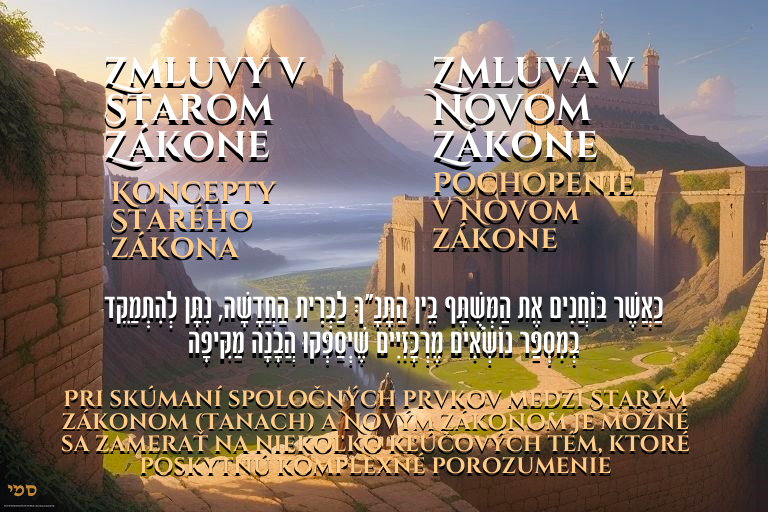
Pri skúmaní spoločných prvkov medzi Starým zákonom (Tanach) a Novým zákonom je možné sa zamerať na niekoľko kľúčových tém, ktoré poskytnú komplexné porozumenie.
Sami Bsoul, PhD
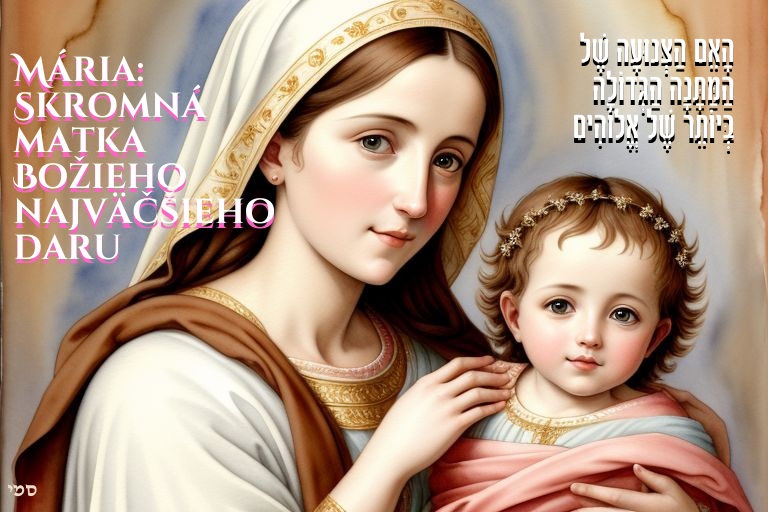
Úloha žien v Biblii poskytuje hlboké pohľady na Boží plán a jeho rozvíjanie v Starom a Novom zákone. Skúmanie životov a prínosov kľúčových žien odhaľuje ich zásadnú úlohu v Božom príbehu viery, vykúpenia a transformácie. Tento článok zdôrazňuje jednotlivé príbehy a
Sami Bsoul, PhD
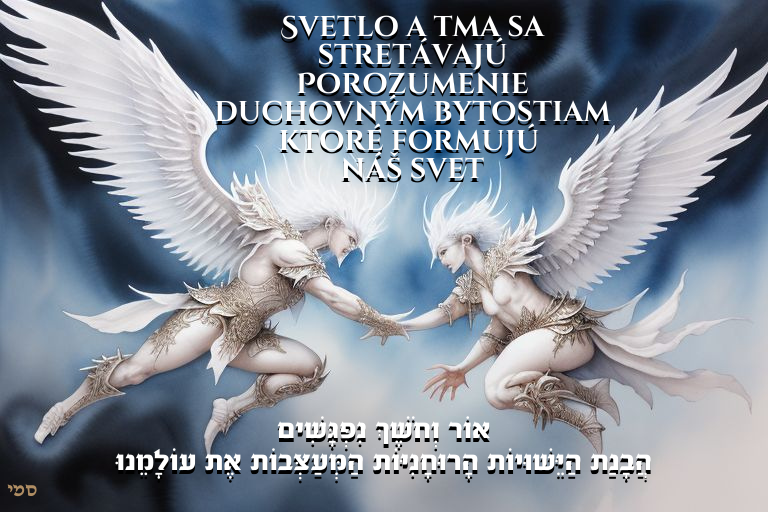
Štúdium anjelov a démonov poskytuje hlboké pohľady na duchovné dimenzie biblického príbehu. Starý aj Nový zákon ponúkajú
Sami Bsoul, PhD
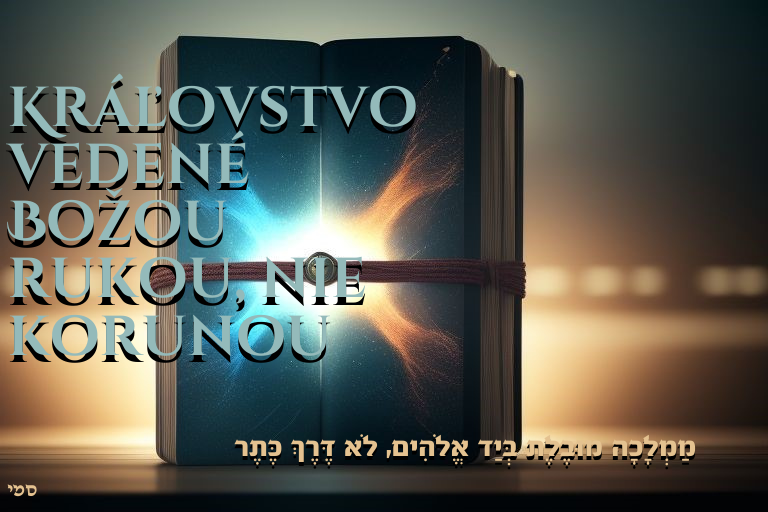
Biblický a židovský pohľad na kráľovstvo je bohatý a mnohostranný. Zahŕňa kombináciu božského vedenia, morálnej zodpovednosti a politického pragmatizmu, čím ilustruje potenciál a obmedzenia monarchie. V mojom článku sa zameriam na
Sami Bsoul, PhD
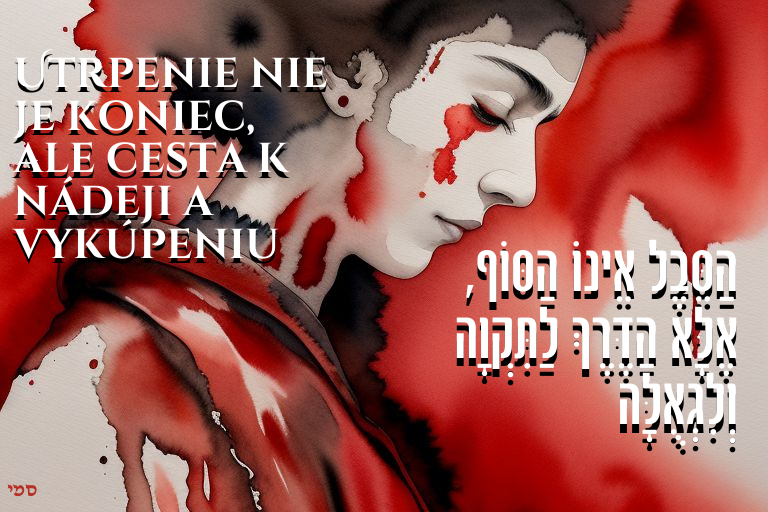
Problém zla a utrpenia je jedným z najhlbších a najnáročnejších problémov v teológii. Starý aj Nový zákon sa zaoberajú touto témou a ponúkajú rôzne pohľady, ktoré
Sami Bsoul, PhD
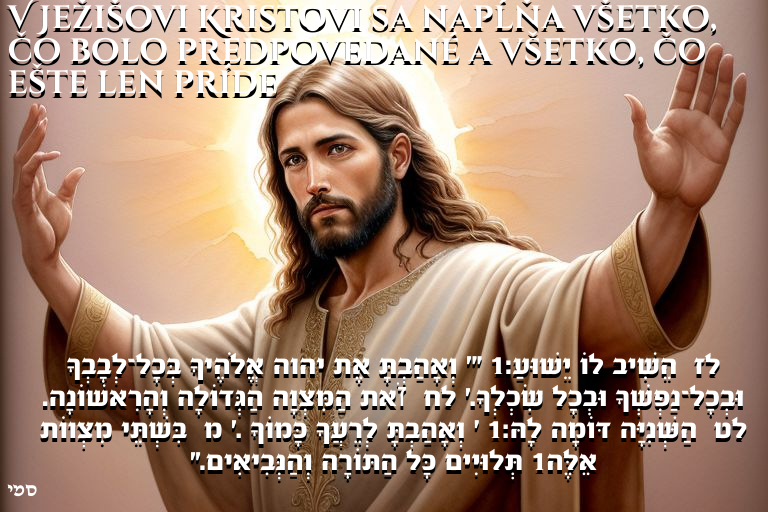
V rámci veľkého biblického príbehu o kráľovstve sa Ježiš Kristus objavuje ako naplnenie a transcendentná realizácia starozákonných ideálov a proroctiev. Skúmanie Ježiša ako konečného kráľa poskytuje hlboké vhľady do
Sami Bsoul, PhD
Cieľom porovnávania kráľov a prorokov Starého zákona s kráľovstvom Ježiša Krista v Novom zákone je poskytnúť hlbšie pochopenie biblického vedenia a jeho teologického významu v rámci celého kanónu.
Sami Bsoul, PhD
אִשָּׁה נֶאֱהֶבֶת לֹא אֲהוּבָה
הַמַּאֲמָר הַזֶּה עוֹסֵק בְּאַהֲבָה, זוּגִיּוּת, לָתֵת וּלְקַבֵּל רֶגֶשׁ.
תָּמִיד אֶפְשָׁר לְהִתְוַכֵּחַ, לֹא לְהַסְכִּים, לְהַאֲמִין שֶׁאֲנַחְנוּ הֲכִי מְבִינִים בָּעוֹלָם, וּלְבַסּוֹף לְהִשָּׁאֵר תְּקוּעִים בְּמַעַרְכוֹת יְחָסִים מֵתוֹת, כָּאֵלֶּה שֶׁמּוֹבִילוֹת לְמָוֶת רִגְשִׁי לַחֲלוּטִין.
הַקְּרִיאָה בַּטֵּקְסְט הַזֶּה מְחַיֶּבֶת אֶתְכֶם לִהְיוֹת נְטוּלֵי אֵגוֹ. אִם תָּבוֹאִי לִקְרֹא מִתּוֹךְ רֹאשׁ פָּתוּחַ וּנְכוֹנוּת לְהָבִין אֶת עַצְמְכֶם, תּוּכְלוּ לְהַרְגִּישׁ אֶת אֶת הַמַּשְׁמָעוּת שֶׁל כָּל שׁוּרָה.
Upozornenie: Tento článok bol preložený z hebrejčiny do slovenčiny pomocou umelej inteligencie. Napriek vynaloženiu maximálneho úsilia na zabezpečenie presnosti môže dôjsť k drobným odchýlkam v preklade. Pre presnejšie pochopenie sa odporúča oboznámiť sa s pôvodným hebrejským textom.
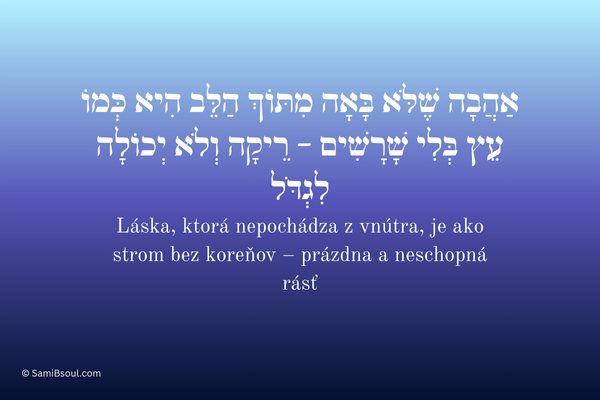
Tento článok sa zaoberá láskou, vzťahmi, dávaním a prijímaním emócií.
Vždy je možné hádať sa, nesúhlasiť, veriť, že my sme najviac chápaví na svete, a nakoniec zostať zaseknutí v mŕtvych vzťahoch, ktoré vedú k emocionálnej smrti.
Čítanie tohto textu vás núti byť bez ega. Ak prídete čítať s otvorenou mysľou a ochotou pochopiť seba, budete schopní cítiť význam každej vety.
Sami Bsoul, PhD
Štúdium vedenia v Starom zákone poskytuje cenné pohľady na povahu božskej a ľudskej autority. Skúmaním vlastností vedenia kľúčových postáv, ako sú králi a proroci, získavame pochopenie toho, ako títo vodcovia odrážali Božie hodnoty a ako ich silné a slabé stránky odhaľujú širšie teologické témy.
Sami Bsoul, PhD
Koncept božskej autority vo vedení je ústrednou témou v Biblii, odrážajúc sa cez kráľov a prorokov Starého zákona. Napriek ich inherentným nedostatkom boli tieto postavy božsky ustanovené na plnenie Božích plánov a boli zodpovedné za dodržiavanie Jeho zákona.

Sami Bsoul, PhD
1. Saul bol prvým kráľom Izraela
Saul (שָׁאוּל), ktorého meno znamená „vymodlený“ alebo „vyprosený,“ bol vybraný prorokom Samuelom, aby sa stal
Sami Bsoul, PhD
1. Dávid bol druhým kráľom Izraela
Dávid bol pomazaný prorokom Samuelom, aby nahradil kráľa Saula, čím sa stal druhým kráľom Izraela. Jeho vláda znamenala
Komparatívna analýza židovskej a kresťanskej tradície
Sami Bsoul, PhD
V tejto úvahe predstavujem komparatívne porozumenie úlohy božského slova v židovskej a kresťanskej tradícii (nejde o kritickú alebo hodnotiacu štúdiu, ale o čistú opisnú a komparatívnu analýzu), kde ponúkam pohľady z rôznych uhlov, ako sú teológia, filozofia, mysticizmus a medzináboženský dialóg. Mojím cieľom je
Sami Bsoul, PhD
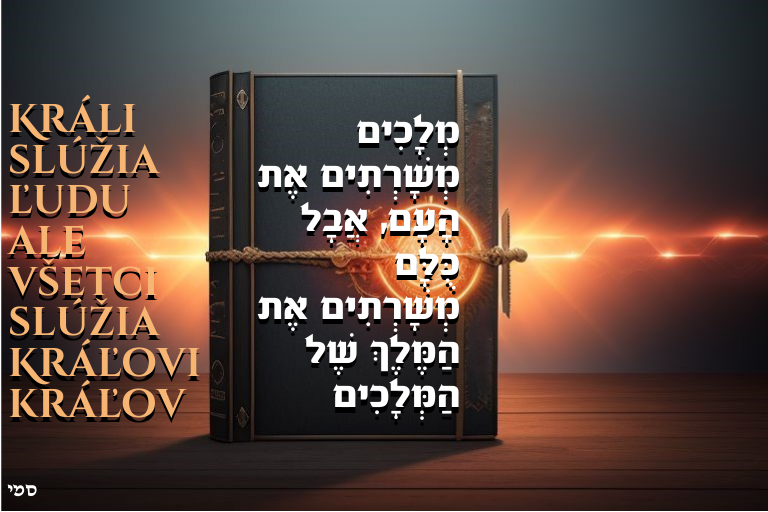
Kráľ Šalamún, syn kráľa Dávida, je jednou z najvýznamnejších postáv v židovskej histórii a tradícii. Jeho vláda je považovaná za zlatý vek starovekého Izraela, charakterizovaný múdrosťou, prosperitou a
Sami Bsoul, PhD
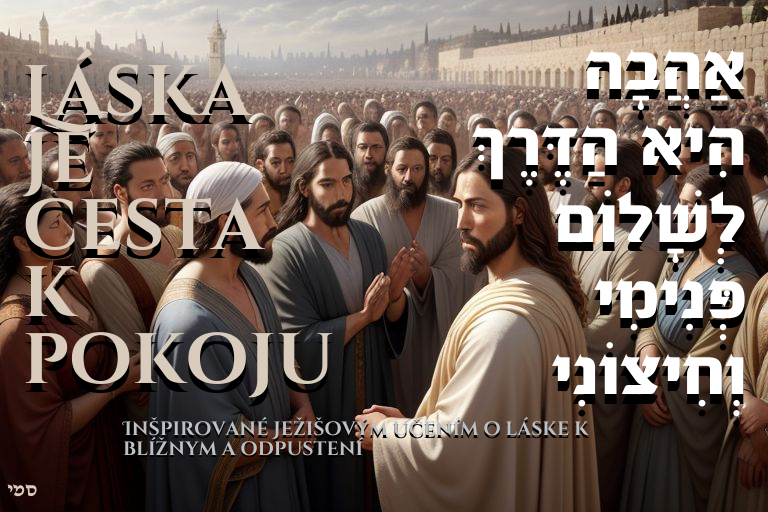
1. Ježišova odpoveď na otázku o platení daní
Keď sa ho spýtali, či je zákonné platiť dane cisárovi, Ježiš slávne odpovedal:
Sami Bsoul, PhD
Učím hebrejčinu už viac ako 20 rokov a postarám sa o to, aby to pre vás bola zábavná a vzrušujúca skúsenosť. Či už práve začínate, alebo už niečo viete, budem vás viesť na každom kroku. Moje hodiny nie sú len o memorovaní slov—sú o skutočnom porozumení jazyka, kultúry a hlbších významov, ktoré sa za tým všetkým skrývajú. Spoločne objavíme všetko, čo hebrejčina ponúka, a to spôsobom, ktorý je interaktívny, pútavý a nikdy nie nudný. Tešte sa na túto cestu!
Môžete mať vlastný dôvod, prečo sa chcete učiť hebrejčinu, ale sú je 31 dôvodov, prečo sa moji študenti rozhodli študovať tento jazyk:
Sami Bsoul, PhD
Bol som pozvaný na jedno stretnutie plné veriaceho sveta. Predstavte si to – miestnosť plná ľudí, ktorí majú Bibliu v srdci aj v mobile. Prišiel som s otvorenou hlavou a chuťou počúvať, čo ma čaká. (A aj s malou nádejou, že tam bude káva zadarmo, ale to je vedľajšie.)
Prisedol si ku mne
Balkón v Bazileji – okamih začiatku Herzlovho vízie
Sami Bsoul, PhD
V roku 1897 stál Theodor Herzl na balkóne v Bazileji a pozeral sa dopredu – nie len na mesto pod ním, ale na budúcnosť židovského národa. Nevidel len európsky krajinný výhľad, ale predstavil si nezávislý židovský štát. Jeho slová, "Ak chcete,
סמי בסול
לימודי התנ"ך העברי הוא תחום המוקדש לבחינה מלומדת של התנ"ך העברי, הידוע גם בשם תנ"ך. דיסציפלינה זו כוללת ניתוח של טקסטים עתיקים אלה על מנת להבין את ההקשרים ההיסטוריים, התרבותיים והלשוניים שלהם. חוקרים בתחום זה מבקשים לחשוף את המשמעויות שמאחורי כתבי הקודש, לחקור פרשנויות שונות, וללמוד את השפעתם על המסורות היהודיות ודתות אחרות. באמצעות שימוש בשיטות כמו ביקורת טקסטואלית וניתוח ספרותי, חוקרים מקבלים תובנות עמוקות יותר לגבי התפתחות הרעיונות הדתיים והחברה הישראלית העתיקה. מבוא זה מכין את הקרקע לחקירה מפורטת של האופן שבו לימודי התנ"ך העברי תורמים להבנתנו את הטקסטים היסודיים הללו
סמי בסול
התנ"ך מתחיל באמירה עמוקה: "בראשית ברא אלוהים את השמים ואת הארץ". פסוק הפתיחה הזה מכין את הקרקע לחקירה מעמיקה של הבריאה, הזמן, ועצם טבעו של אלוהים. הבנת המילים העבריות המשמשות בהקשר זה מספקת תובנה לגבי הפרספקטיבות העתיקות על הבריאה. מאמר זה מעמיק בניואנסים הלשוניים, בהשלכות התיאולוגיות, ובמשמעות הרחבה יותר של מושגים אלה, ומציע מבט מקיף על הנרטיב המקראי של הבריאה מנקודת מבט עברית