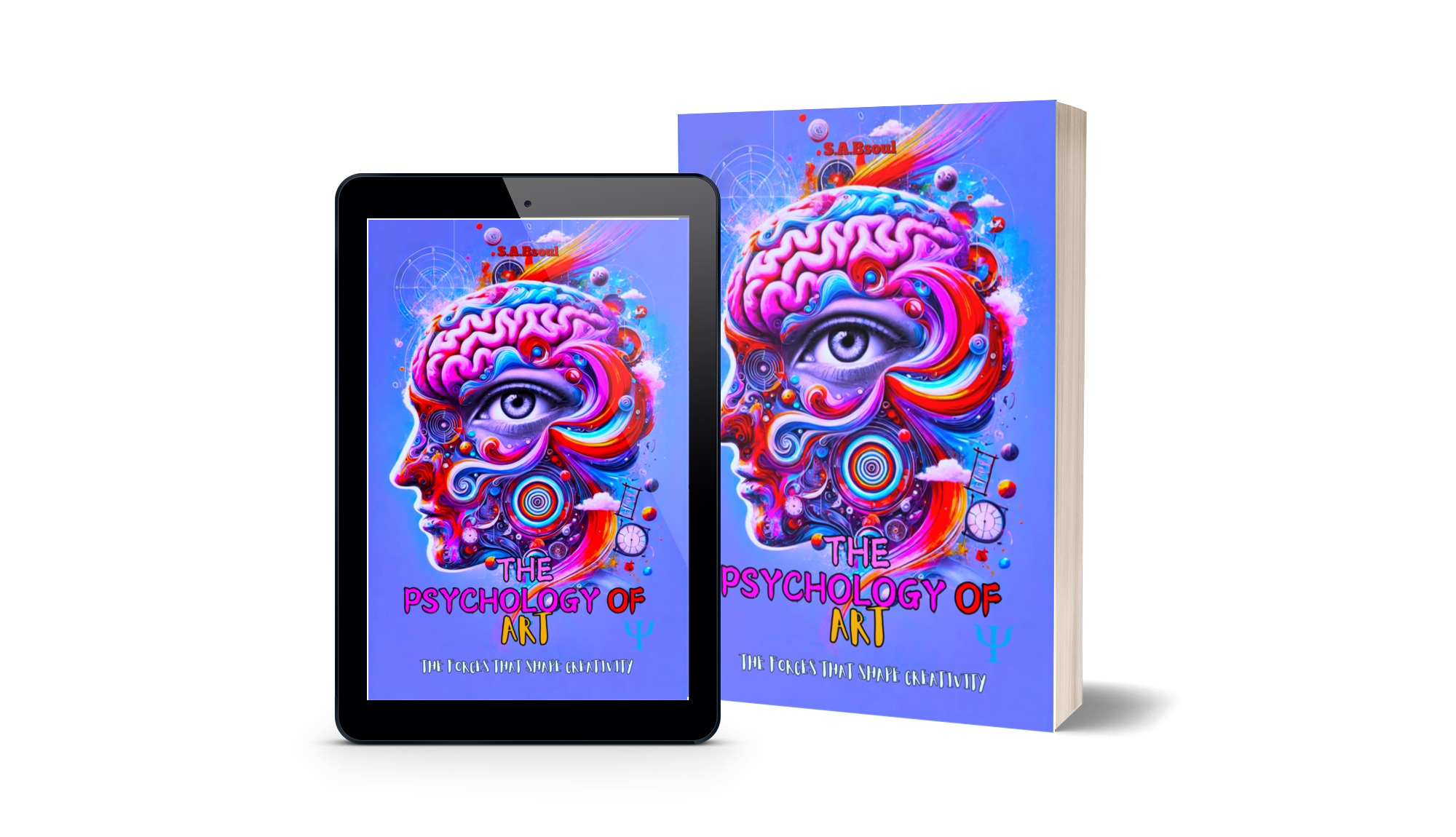
The Psychology of Art
Sami Bsoul, PhD
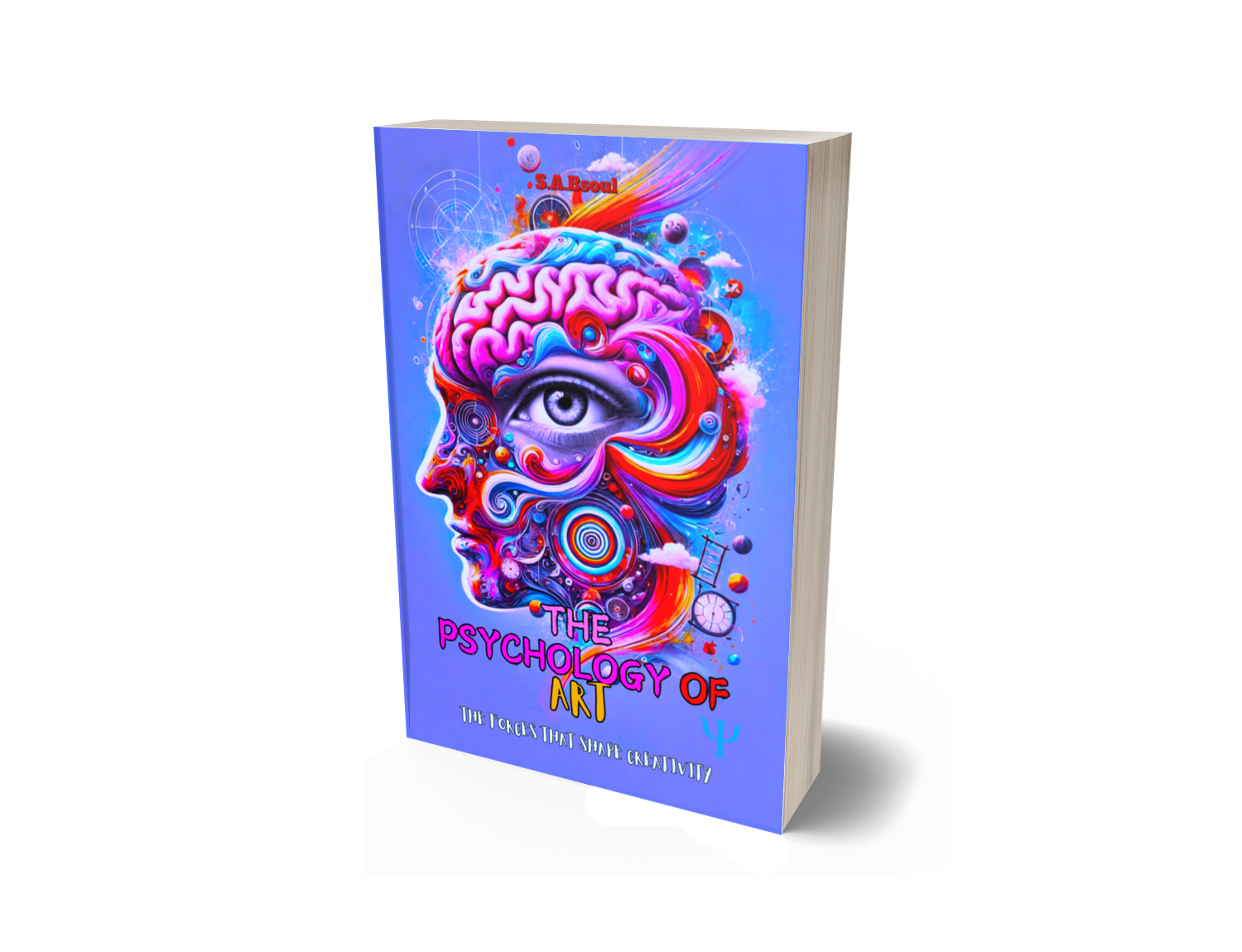
The Psychology of Art 
Have you ever stood before a painting and felt something you couldn’t explain? A pull, a pang, a quiet stirring in your chest, something that felt like it was speaking to a part of you that words could never reach?
Art has a way of bypassing the rational mind and speaking directly to the soul. It doesn’t
ask for permission. It doesn’t need translation. A single brushstroke can evoke a memory you thought you’d forgotten. A splash of colour can awaken a feeling you didn’t know you had. A sculpture can make you question everything you thought you understood about beauty, pain, or love.
But what if I told you that these reactions are not random? What if every deep, resonant feeling in your heart before a masterpiece, every moment of awe in a gallery, every time you’ve felt inexplicably drawn to a piece of art, what if all of it is part of a silent, intricate conversation between the artist’s mind and your own?
This book is an exploration of that conversation. It’s about the invisible threads that connect art to the human psyche, the way a painting can mirror your deepest fears, a melody can echo your unspoken desires, or a sculpture can embody the weight of your unexpressed emotions. It’s about the psychology of creativity, the neuroscience of perception, and the emotional alchemy that turns pigment, sound, and stone into something that feels alive.
But it’s also about you.
Yes, you, the one standing before the canvas, the one who feels but doesn’t always understand why. This book is an invitation to peel back the layers of art and discover what it reveals about your own mind. It’s a journey into the hidden dimensions of creativity, where every stroke of the brush, every note, every chisel mark is a clue to the mysteries of the human condition.

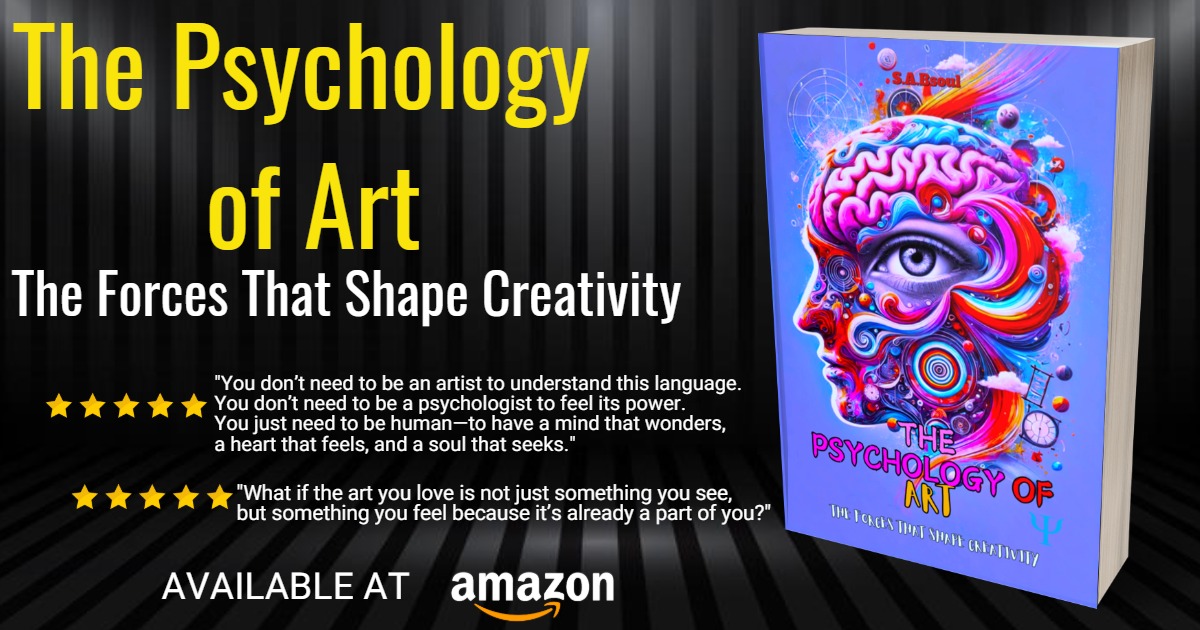
You don’t need to be an artist to understand this language. You don’t need to be a psychologist to feel its power. You just need to be human, to have a mind that wonders, a heart that feels, and a soul that seeks.

So, let me ask you this: What if the art you love is not just something you see, but something you feel because it’s already a part of you? What if the emotions it stirs are not just reactions, but reflections of your own inner world?
If that idea intrigues you, excites you, or even unsettles you, then you’re ready to begin.
Welcome to The Psychology of Art.
The Psychology of Art dives into these questions and more, exploring the invisible forces that shape how we see, feel, and connect with art, and, in turn, with ourselves. From the science of perception to the emotional power of color, this book is a journey into the heart of creativity, emotion, and the human mind.
This book answers these questions, and so many more:
1. Why does art move us emotionally?
2. What makes a painting feel alive?
3. How does art evoke memories we thought we’d forgotten?
4. Why do some artworks make us cry?
5. What makes art feel comforting or unsettling?
6. How does art help us process grief or trauma?
7. Why do we feel connected to certain artworks?
8. How does art inspire hope or despair?
9. What makes art feel timeless?
10. Why do we feel awe when standing before a masterpiece?
11. What drives an artist to create?
12. How does creativity emerge from the subconscious?
13. Why do artists feel compelled to express themselves?
14. What is the role of emotion in the creative process?
15. How do artists turn pain into beauty?
16. What is the psychology behind artistic block?
17. How does art help us understand ourselves?
18. What makes an artist’s style unique?
19. How do artists find inspiration?
20. What is the connection between madness and creativity?
21. How does the brain interpret color?
22. Why do certain shapes feel harmonious or chaotic?
23. How does the brain process abstract art?
24. What makes a composition feel balanced?
25. How do we perceive depth in a painting?
26. Why do some artworks feel “alive”?
27. How does the brain respond to symmetry?
28. What makes art visually pleasing?
29. How do optical illusions work in art?
30. Why do we see faces in abstract patterns?
31. How does art reflect the human experience?
32. Why do we create art in times of crisis?
33. How does art help us understand others?
34. What does art reveal about our fears and desires?
35. How does art capture the essence of love?
36. Why do we use art to explore identity?
37. How does art reflect cultural values?
38. What does art tell us about the passage of time?
39. How does art help us confront mortality?
40. Why do we use art to express the inexpressible?
41. What makes surrealism so psychologically compelling?
42. Why does abstract art evoke such strong emotions?
43. How does minimalism affect the mind?
44. What is the psychology behind impressionism?
45. Why do we find beauty in chaos?
46. How does maximalism overwhelm the senses?
47. What makes Renaissance art so timeless?
48. How does modern art challenge our perceptions?
49. Why do we gravitate toward certain art movements?
50. How does digital art influence our emotions?
51. How does art shape cultural identity?
52. Why is art used as propaganda?
53. How does censorship affect art?
54. What role does art play in social change?
55. How does art reflect political turmoil?
56. Why do societies value art?
57. How does art preserve history?
58. What is the role of public art in communities?
59. How does art influence collective memory?
60. Why do we use art to celebrate or protest?
61. How does art tap into the subconscious mind?
62. Why do we dream in images?
63. How does surrealism reflect the subconscious?
64. What do symbols in art reveal about the mind?
65. How does art help us process hidden emotions?
66. Why do we see patterns in randomness?
67. How does art reveal our inner conflicts?
68. What is the role of intuition in art?
69. How does art help us confront the unknown?
70. Why do we find meaning in abstract forms?
71. How does art therapy work?
72. Why does creating art feel therapeutic?
73. How does art help with mental health?
74. What makes art a tool for healing trauma?
75. How does art reduce stress and anxiety?
76. Why do we feel calmer in art-filled spaces?
77. How does art help us express emotions we can’t put into words?
78. What is the connection between art and mindfulness?
79. How does art help us reconnect with ourselves?
80. Why do we turn to art in times of loneliness?
81. How does AI-generated art affect our emotions?
82. What is the future of art in the digital age?
83. How does virtual reality change how we experience art?
84. Why do we still value handmade art in a digital world?
85. How does technology influence artistic creativity?
86. What is the psychology behind digital art consumption?
87. How does social media shape our perception of art?
88. Why do we feel differently about physical vs. digital art?
89. How does technology democratize art?
90. What is the role of interactivity in modern art?
91. What drives an artist to keep creating?
92. How do artists see the world differently?
93. Why do artists often struggle with self-doubt?
94. How does an artist’s life influence their work?
95. What is the psychology behind artistic obsession?
96. How do artists find their unique voice?
97. Why do artists feel compelled to share their work?
98. How does art help artists understand themselves?
99. What is the role of vulnerability in art?
100. Why do artists feel a deep connection to their creations?
101. How does the brain process visual art differently than other stimuli?
102. Why do we perceive certain colors as warm or cold?
103. How does lighting in art affect our emotional response?
104. What makes some art feel “real” even when it’s abstract?
105. How do our eyes and brain work together to interpret art?
106. Why do we prefer certain color palettes over others?
107. How does perspective in art influence our perception of space?
108. What makes a painting feel dynamic or static?
109. How do we perceive movement in still art?
110. Why do some artworks feel “unfinished” yet compelling?
111. How does art trigger forgotten memories?
112. Why do we associate certain artworks with specific life events?
113. How does art help us preserve personal and collective memories?
114. What makes art a powerful tool for remembering history?
115. How does nostalgia influence our connection to art?
116. Why do we feel a sense of déjà vu when viewing certain artworks?
117. How does art help us process traumatic memories?
118. What role does memory play in an artist’s creative process?
119. How does art help us reinterpret past experiences?
120. Why do we feel a connection to art from our childhood?
121. How does art help us explore our identity?
122. Why do we see ourselves reflected in certain artworks?
123. How does art challenge or reinforce societal norms?
124. What makes art a tool for self-discovery?
125. How does art help us express aspects of our identity we can’t put into words?
126. Why do we gravitate toward art that reflects our values?
127. How does art help us navigate cultural identity?
128. What role does art play in shaping personal narratives?
129. How does art help us confront and embrace our flaws?
130. Why do we feel a connection to art that represents our struggles?
131. How does art evoke joy or sadness without words?
132. Why do we feel calm when viewing certain landscapes?
133. How does art help us process complex emotions?
134. What makes art a universal language of emotion?
135. How does art help us express emotions we can’t articulate?
136. Why do we feel a sense of catharsis through art?
137. How does art help us understand the emotions of others?
138. What makes art a tool for emotional healing?
139. How does art help us navigate grief and loss?
140. Why do we feel a deep emotional connection to certain artists?
141. How does art reveal our hidden desires?
142. Why do we see symbols in art that resonate with our subconscious?
143. How does surrealism tap into the subconscious mind?
144. What makes art a window into our unconscious fears?
145. How does art help us confront repressed emotions?
146. Why do we dream about certain artworks?
147. How does art help us process unresolved conflicts?
148. What role does intuition play in creating and interpreting art?
149. How does art help us explore the unknown parts of ourselves?
150. Why do we feel drawn to art that feels mysterious or enigmatic?
151. How does art reflect cultural values and beliefs?
152. Why do certain art styles dominate specific historical periods?
153. How does art shape cultural identity?
154. What makes art a tool for cultural preservation?
155. How does art challenge cultural norms?
156. Why do we feel a connection to art from different cultures?
157. How does art help us understand cultural differences?
158. What role does art play in cultural rituals and traditions?
159. How does art influence cultural memory?
160. Why do we use art to celebrate cultural heritage?
161. How does art influence social change?
162. Why do we use art to protest injustice?
163. How does art shape public opinion?
164. What makes art a tool for activism?
165. How does art help us envision a better future?
166. Why do we feel a sense of unity through public art?
167. How does art reflect societal struggles?
168. What role does art play in building communities?
169. How does art help us confront societal taboos?
170. Why do we turn to art in times of crisis?
171. How does an artist’s psychology influence their work?
172. Why do artists often feel misunderstood?
173. How does art help artists process their emotions?
174. What drives artists to create despite criticism?
175. How does an artist’s personal history shape their art?
176. Why do artists feel a deep connection to their creations?
177. How does art help artists find meaning in life?
178. What makes art a form of self-therapy for artists?
179. How do artists navigate the balance between creativity and mental health?
180. Why do artists feel compelled to share their inner world through art?
181. How does digital art affect our emotional response?
182. Why do we feel differently about AI-generated art?
183. How does virtual reality change how we experience art?
184. What makes digital art feel “real” or “artificial”?
185. How does technology influence artistic creativity?
186. Why do we still value physical art in a digital world?
187. How does social media shape our perception of art?
188. What role does interactivity play in modern art?
189. How does technology democratize access to art?
190. Why do we feel a connection to art created through technology?
191. How does art help us explore existential questions?
192. Why do we find meaning in abstract art?
193. How does art challenge our understanding of reality?
194. What makes art a tool for philosophical inquiry?
195. How does art help us confront the concept of mortality?
196. Why do we feel a sense of transcendence through art?
197. How does art help us explore the nature of beauty?
198. What role does art play in understanding the human condition?
199. How does art help us question societal norms?
200. Why do we turn to art for answers to life’s biggest questions?
Fake Emotional Shield - Samibsoul.com
The Taxi Driver - Samibsoul.com
Men, Women, and the Art of Being Absurd - Samibsoul.com
The Soul of Hebrew: A Living Language - Samibsoul.com
The Psychology of Art - Samibsoul.com
© 2025 Sami Bsoul. All rights reserved.
2023 Samibsoul.com ©