From psychology to stories, from stories to ancient text- set to music.
Welcome to a place where psychology, scripture, and storytelling meet. Explore books, poetry, and songs in English, Hebrew, and Slovak, written to resonate with your deepest emotions, your faith, and your humanity.
© Samibsoul.com 2026
From Psychology to Stories That Resonate
Welcome to my website, your destination for non-fiction, fiction, poetry, songs, and more in English, Hebrew, and Slovak. With a passion for psychology, explore books and novels that truly resonate, with emotions, experiences, and the human spirit.
To rate or comment on this page, please register on the site. For assistance, contact the site administrator.
Davka Real Everyday Hebrew | Sami Bsoul

After years of teaching Hebrew, I stopped believing that people give up simply because a language is difficult.
I have watched people begin with genuine enthusiasm. They are curious. They want to understand what they hear, read signs in a language they do not yet know, follow a conversation without losing its thread. At first, every new word opens a possibility. Every small discovery makes the next lesson worth attending.

Then the…
language begins to ask more of them.
Words refuse to stay where they put them. A sentence that seemed clear last week becomes confusing. Something that another student understands quickly takes them much longer. What was once enjoyable starts demanding patience, concentration, and the willingness to feel lost without knowing when that feeling will end.
And somewhere along the way, a thought appears.
Perhaps Hebrew is simply not for me.
It sounds reasonable. So do the explanations that follow. There is not enough time. The lessons are too difficult. The words never stick. Other people seem to learn faster. Perhaps the moment has passed. Perhaps they should have started years ago.
Every one of these reasons can be true.
That is something I have learned to pay attention to.
There is a difference between struggling with a language and beginning to see that struggle as evidence of who you are. The first is part of learning. The second can quietly change what you believe is possible for you.
Once that happens, even an ordinary difficulty can take on a different meaning. Forgetting a word is no longer just forgetting a word. It becomes another reason to doubt yourself. A mistake is no longer something to correct. It becomes confirmation of something you have started to suspect.
The mind is remarkably good at finding reasons for a conclusion it has already begun to accept. It gathers evidence, remembers the frustrating lessons, and overlooks the small signs of progress that do not fit the story. Eventually, the decision to stop can feel less like a decision than a fact that has finally become clear.
But I have also watched something else happen.
People return. They try again. They come back to a word that defeated them the previous week and discover that it now makes sense. A familiar expression appears in an unfamiliar sentence, and suddenly the connection is there. They begin to recognise patterns they could not see before. Sometimes a word arrives before its translation. Sometimes they understand a sentence without having to take it apart.
There is no grand announcement. No single moment when the language hands them proof that they have made it.
Things simply begin to change.
And often, the learner notices the change only after it has already begun.
This is not an argument that everyone must continue learning Hebrew, regardless of circumstances. People have limited time, competing responsibilities, and good reasons to choose one thing over another. Stopping is not a failure, and persistence is not automatically a virtue.
But I have learned to be cautious when someone decides that difficulty means they do not belong.
The language may be difficult. The frustration may be real. The progress may be slower than they hoped. None of that tells the whole story.
After years in the classroom, I have come to think that one of the most revealing moments in learning is not when a student finally understands something. It is the moment before that, when understanding has not yet arrived and the student must live with not knowing.
I cannot promise what will happen if they stay. No teacher can. But I have seen enough to know that the person who begins learning a language and the person who eventually speaks it are not always the same person who first walked into the classroom. Something has changed along the way, often before either of them knows how to name it.
◆Sometimes, the thing we give up on is not the language. It is the person we thought we might become through it.
◆You know the words. You probably know what they mean. But do you?
In Hebrew, familiar words can take unexpected turns. A phrase can mean the opposite of what you expect. A word can carry an attitude, an irony, or an entire thought that its literal meaning never reveals.
◆This is the Hebrew that gets lost when you translate word by word.
Davka brings it to life through comics that let you see the language in action. One situation, one expression, one unexpected turn of meaning. Instead of memorising another definition, you begin to understand why Israelis say what they say, and what their words are doing in the moment.
This is neither a beginner’s textbook nor an advanced grammar book. It is for anyone who wants to move beyond translating in their head and start understanding the Hebrew they hear around them.
◆Because knowing the words is not always the same as understanding what someone means.
You can follow a conversation and still miss the point. You can know every word in a sentence and misunderstand the joke, the irony, or the intention behind it. You can study Hebrew for years and still find yourself half a second behind in a room full of Israelis.
There is a world of meaning in everyday Hebrew that only becomes visible when you understand how words work in real situations: how context changes them, how tone reshapes them, and how a familiar expression can mean something you never expected.
◆That is the world Davka opens up.
You already know more Hebrew than you think. The question is what you are still missing.
Édition française Davka
Edición en español Davka
Deutsche Ausgabe Davka
Edição em português Davka
Edizione italiana Davka




דעה אישית
אנשים רעילים ומניפולטיביים
מאת סאמי בסול
פרק א
האנשים הכי פחות אני מכבד בחיים, הם האנשים הרעילים והמניפולטיביים. הם כאלה, אתה מבקש מהם להתרחק ממך, אבל הם מנסים בכל צורה להתקרב. הם מנסים לדעת עליך הכל. הסקרנות הורגת אותם. אנשים מניפולטיביים, יכולים להיות כמו דייגים ערמומיים שזורקים את הרשתות שלהם בים, בתקווה לתפוס ממך אפילו את הדגים הקטנים ביותר של מידע אישי. הם עשויים להשתמש בפיתיון מקסים, כמו חנופה ועניין מדומה, כדי למשוך אותך פנימה, תוך כדי קפדנות לקרב אותך לסדר היום הנוכלי שלהם. ובדיוק כמו דייגים, הם מנסים למשוך אותך, ולפעמים הם מתרחקים קצת, ונותנים לך לשחות בחופשיות, אבל אם הם מתרחקים, אל תחשוב שהם הפסיקו לחפש אחריך, עוד מעט אתה תראה שהם מצאו כל דרך להזכיר לך שהם קיימים. כאילו שזה חשוב לך בכלל. הכל הם עושים, בחתירה אחר המטרה הסופית שלהם: להשיג שליטה עליך, או לקלקל כמה שיותר. הם חושבים שכך הם יכולים להרגיש נוח עם עצמם ולשלוט בך. ובכן, הם טועים ובגדול.
אנשים רעילים ומניפולטיביים, יכולים ליצור הרבה נזק ושליליות ביחסים, ובאינטראקציות שלהם עם אחרים. הם עשויים להשתמש בטקטיקות, או צורות אחרות של מניפולציה רגשית כדי לנסות לשלוט בסובבים אותם.
אנשים מניפולטיביים עשויים להיראות מצליחים בהשגת מטרותיהם בטווח הקצר, אך בטווח הארוך, התנהגותם, לעתים קרובות פוגעת, וגורמת להם להיתפס אחר כך כבלתי אמינים ובלתי חביבים. כן, זה בדיוק מה שאני חושב עליהם, הם בלתי חביבים ובלתי אמינים לגמרי. כי אחרי שאתה מגלה שאדם מסויים הוא מניפולטיבי, זה כמו למצוא אבן בנעל שלך – זה בכלל לא נוח, זה גם מאט אותך, וזה מהווה תזכורת תמידית למשהו שלא צריך להיות בתוך נעליך– בתוך חייך. לא משנה כמה אתה מנסה להתעלם מהאבן, או להתנער ממנה, היא תמיד שם, מעצבנת ומציקה לך. זוהי תזכורת מתמדת שמשהו שנראה פעם לא מזיק, או לא משמעותי בעצם גורם לך אי נוחות, ואתה רק רוצה להיפטר ממנו בהקדם האפשרי. באופן דומה, ברגע שאתה מגלה שאדם הוא מניפולטיבי, אתה לא יכול שלא להרגיש אי נוחות סביבו, וכל מה שאתה רוצה זה להתרחק מההתנהגות הרעילה שלו.
אומרים, שלפעמים הדרך הטובה ביותר להתמודד עם אנשים מניפולטיביים ורעילים, היא לא להילחם בהם, אלא להראות להם טוב לב ואמפתיה. אמנם זה נכון שאנשים המפגינים התנהגויות רעילות, יש להם את הפוטנציאל להשתנות. אני אישית לא מאמין שאנשים מורעלים משתנים בקלות. אבל אני יכול להבין שההתנהגות הרעילה שלהם, נובעת לרוב מבעיות עמוקות יותר או מחוויות מן העבר.
זה גם לא באחריותי לתקן התנהגות של מישהו אחר, לכן הטיפול הטוב ביותר, הוא לשמור על הגבולות שלי, ולהגן על רווחתי. אני, אין לי אמפתיה לאשנים כאלה. הם מסוכנים. מצידי, הם יכולים להשתנות רחוק ממני. כי ככל שינסו להתקרב אליי יותר, כך אני מתעב אותם יותר. עם זאת, חשוב לזכור שהתנהגות רעילה ומניפולטיבית, נובעות בסופו של דבר ממקום של חוסר ביטחון ופגיעות בתוך האדם הרעיל עצמו. ייתכן שהם פועלים מתוך פחד מנטישה, צורך בכוח או שליטה, או מתוך רצון להרוס את כל מה שבניתם. לא משנה מאין הרעילות שלהם באה, היא בוודאי קשורה אצלם לנושאים עמוקים יותר. בסופו של דבר, זה תלוי בכל אדם לזהות את ההשפעה השלילית שיש להתנהגות שלו, ולנקוט צעדים כדי לטפל בעצמו. הבעיה היא שאנשים רעילים ומניפולטיביים, לא חושבים שהם רעילים.
פעם, בעיר שוקקת חיים, היו שתי נשים שעבדו יחד באותו משרד. אחת מהן היתה מאוד מניפולטיבית, בעוד השניה היתה אדיבה ומתחשבת. נראה היה שהגברת המניפולטיבית תמיד הצליחה להשיג מה שהיא רצתה, ולעתים קרובות לקחה קרדיט על עבודתם של אחרים. הייתה לה דרך לסלף מצבים לטובתה, ובקלות יכלה להקסים את דרכה לצאת מהצרות.
הגברת הנחמדה, לעומת זאת, תמיד ניסתה לעשות את הדבר הנכון, ותמיד הייתה מוכנה לעזור לעמיתיה. היא הייתה אהובה על כולם, מלבד הגברת המניפולטיבית, שראתה בה איום. למרות מאמציה, הגברת הנחמדה התקשתה לעבוד עם הגברת המניפולטיבית. לעתים קרובות היא הייתה מרגישה מתוסכלת וכועסת, אבל היא לא יכלה לעשות דבר בנידון, מכיוון ששתיהן עבדו יחד.
עם הזמן, הגברת הנחמדה החלה להבין שהגברת המניפולטיבית לא הייתה מאושרת באמת בחיים שלה, גם לא הייתה מסופקת מהחיים שלה כפי שנראתה. היא ראתה שלגברת המניפולטיבית יש הרבה חוסר ביטחון וספקות, ושההתנהגות המניפולטיבית שלה היא דרך לכסות את כל זה.
היא היתה אישה הידועה באופייה המתוק והחביב. היא תמיד הייתה מברכת את כולם בחיוך חם ותמיד הייתה מוכנה להושיט יד. היא נחשבה לאישה בעלת לב טוב ומלאת חמלה. עם זאת, מה שאנשים לא ידעו, זה שמתחת לחיצוניותה המתוקה של האישה הזו, מסתתר רעל שחיסל כל מערכת יחסים שהיא נכנסה אליה, זה אכל לאט לאט גם את נשמתה.
היא הייתה מניפולטיבית בלתי נלאית שהסתירה את כוונותיה מהעולם. היו לה דרכים להקסים אנשים לעשות מה שהיא רוצה, והיא הייתה אלופה בלהשיג את מה שהיא רוצה מבלי שאף אחד יחשוד בדבר. האופי המניפולטיבי שלה ניזון מהקנאה שלה, מהרצון שלה לכוח ושליטה. היא גם אהבה את ההרגשה של להיות אחראית ושאנשים יעשו כרצונה.
היא היתה בעלת כישרון לתמרן אנשים לעשות את מה שהיא רוצה. עם זאת, היא הייתה אישיות מורעלת, מה שאומר שהיא ניסתה להיכנס לחייהם של אנשים דרך תחבולות.
הרעל שלה היה בלתי נראה, אבל הוא התפשט כמו אש בשדה קוצים. היא תמיד ניסתה להדביק את מוחותיהם של הסובבים אותה. יש כאלה שראו את זה בבירור, יש כאלה שלקח להם זמן עד שראו מי היא באמת. עד מהרה, היא זכתה לחוסר אימון של כל מי שבא במגע איתה.
יום אחד, הרעל שלה התחיל לחזור עליה. למרות שהיא אף פעם לא נטלה אחריות על מעשיה, היא לא ידעה שההתנהגות שלה מתחילה לאכול אותה, ושהיא מתפוררת מבפנים.
בקיצור היא הפכה להיות מורעלת על ידי אישיותה הרעילה.
היא מעולם לא הצליחה ליצור או לבנות מערכות יחסים אמיתיות.
בדידותה רק הזינה את המרירות שלה.
היא לא הצליחה להבין מדוע אף אחד לא אוהב אותה.
היא מעולם לא הבינה את הנזק שהיא גורמת לעצמה ולאחרים.
היא קינאה בהצלחות של בני משפחתה, ותמיד ניסתה לייעץ לאנשים לעשות משהו לפי טעמה, אבל הכוונות שלה היו תמיד רעות.
בין הקורבנות שלה היו גם החברות שלה.
כל חברה שלה שהייתה אדם אדיב ונדיב לא ניצל ממנה.
היא תמרנה את כולם.
היא שכנעה אנשים לעזוב עבודה, היא שכנעה אנשים לעזוב לימודים, היא שכנעה אנשים לסגור עסק... רוב העצות שלה לאנשים היו בהן כוונות רעות... בהיותה תובענית וביקורתית, אנשים שהיו קרובים אליה התחילו להבין שהיא לא מה שחשבו שהיא.
ההתנהגות המניפולטיבית שלה נמשכה, והיא הפכה יותר ויותר מיומנת להשיג את מה שהיא רוצה. או עם חיוך, או עם התנהגות כאילו נעימה. עם זאת, התנהגותה לא נעלמה מעיניהם של אנשים, ואנשים התחילו לתפוס את הטבע האמיתי שלה. בסופו של דבר, הצבעים האמיתיים שלה נחשפו, ואנשים התחילו להתרחק ממנה. היא נותרה לבד, ללא מי לתמרן או לשלוט.
האישיות המורעלת שלה כילתה אותה לחלוטין, והיא איבדה את כל מה שעבדה כל כך קשה כדי להשיג. היא הרחיקה את האנשים שאכפת להם ממנה, והיא נותרה עם שום דבר מלבד המחשבות הרעילות שלה. היא אף פעם לא הבינה שהתנהגותה המניפולטיבית תביא לנפילתה, והיא תשאר לסבול מהתוצאות של מעשיה. אם היא היתה שומעת מה באמת אנשים ביקשו ממנה, היא היתה מבינה שהם ביקשו ממנה להתרחק לגמרי ולהיעלם מחייהם. אבל ככל שהיא לא עשתה זאת, היא איבדה עוד יותר את מקומה, כך שהיא הפכה להיות כלום עבורם.
לאורך זמן, התנהגויות שליליות אלו עלולות לגבות מחיר מהרווחה של האדם עצמו, כמו גם ביחסים שלו עם אחרים. הם עלולים למצוא את עצמם נאבקים בתחושות של בידוד, חוסר אמון ובדידות כשהם דוחפים עוד ועוד את הקרובים להם ביותר.
אנשים מניפולטיביים חושבים שהם מרמים אחרים, אבל האמת, הם מרמים רק את עצמם, כי פשוט מאוד הם לא אמיתיים. אנשים מניפולטיביים מתמקדים לעתים קרובות בלהשיג את מה שהם רוצים, במקום לבנות מערכות יחסים אותנטיות. הם אולי יוכלו לשכנע אחרים לעשות מה שהם רוצים בטווח הקצר, אבל עם הזמן, אנשים יתחילו לראות דרך הפרצוף שלהם ולהבין שהם לא אמיתיים.
אנשים מניפולטיביים משתמשים לעתים קרובות בטקטיקות שונות כמו משחקי מחשבה, הערות קטנות פה ושם, כדי להשיג את מה שהם רוצים. התנהגויות אלו עלולות לפגוע במערכות יחסים ולגרום לאנשים לאבד את האמון בהם. בטווח הארוך הדבר עלול להזיק להצלחתם האישית והמקצועית.
וכך הם מפספסים קשרים אמיתיים, מכיוון שאנשים מניפולטיביים מתמקדים בהשגת מטרותיהם, הם עלולים להחמיץ את ההזדמנות לבנות קשרים אמיתיים עם אחרים.
אנשים מניפולטיביים נתפסים לעתים קרובות, כלא אמינים מכיוון שהם משתמשים בהונאה, ובמניפולציות כדי להשיג את מטרותיהם. זה יכול להקשות עליהם לבנות מערכות יחסים משמעותיות או להצליח בקריירה שלהם, מכיוון שאנשים עשויים להיות הססנים לעבוד איתם או לסמוך עליהם. בסך הכל, בעוד שאנשים מניפולטיביים עשויים להיות מסוגלים להשיג את מטרותיהם בטווח הקצר, התנהגותם בסופו של דבר מדביקה אותם וגורמת להתייחס אליהם כטיפשים. בניית מערכות יחסים אמיתיות, המבוססות על אמון ואותנטיות, היא גישה הרבה יותר ברת קיימא ומתגמלת בטווח הארוך.
זה נכון שאנשים מניפולטיביים מסוימים, עלולים שלא להבין, או להכיר בהתנהגות המניפולטיבית שלהם. זה עלול לנבוע ממגוון סיבות כגון:
חוסר מודעות עצמית: ייתכן שלחלק מהאנשים המניפולטיביים אין הבנה טובה של הרגשות ודפוסי ההתנהגות שלהם. הם אולי לא מבינים שהם משתמשים בטקטיקות מניפולטיביות, כדי להשיג את מה שהם רוצים.
הצדקה: אנשים מניפולטיביים עשויים להצדיק את התנהגותם כנדרש להשגת מטרותיהם. הם אולי לא רואים את מעשיהם כמניפולטיביים, אלא כאמצעי להשגת מטרה.
אשליה: אנשים מניפולטיביים מסוימים עשויים להיות הזויים ומאמינים שהם זכאים לדברים שהם רוצים, ללא קשר לאופן שבו הם הולכים להשיג אותם. ייתכן שהם לא רואים את עצמם כמניפולטיביים כי הם מאמינים שהתנהגותם מוצדקת.
הם לא מבינים עד תום, כיצד מעשיהם משפיעים על אחרים. הם אולי לא מבינים שהם מניפולטיביים, כי הם לא מבינים את ההשפעה השלילית שיש להתנהגות שלהם על אחרים.
חשוב לזכור שהתנהגות מניפולטיבית עלולה להזיק ויש לטפל בה.
אם יש לך עסק עם מישהי, או מישהו שהם רעילים ומניפולטיביים, למשל,
עם מישהי, או מישהו שמשתמשים באחרים למילוי צרכיהם,
עם מישהי, או מישהו שלא מכבדים גבולות כי כך הם מאבדים כוח,
עם מישהי, או מישהו שהם סקרנים יותר מדי, או מחפשים בטירוף מידע עליכם,
עם מישהי, או מישהו שמעבירים ביקורת סמויה, אולי דרך בדיחה, אולי דרך חיוך, אבל הכוונה היא אחת, כדי להעביר את המסר שלהם,
עם משיהי, או מישהו שרוצים שאתם תהיו תלויים בהם..
אז חשוב להציב להם גבולות ברורים, ולתקשר איתם בצורה ברורה. זה עשוי להיות מועיל. אם הדבר מחמיר, כדאי לכם להתייעץ עם אנשי מקצוע, ולא לתת לרעילים כאלה לקלקל לכם את החיים בשום אופן, כי הם לא שווים.
2023 Samibsoul.com ©
להמשך קריאה, לחצו כאן
כרוניקות משוטטות
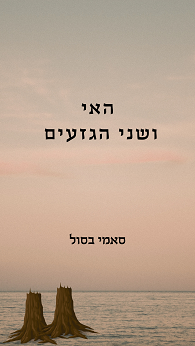
הָאִי וּשְׁנֵי הַגְּזָעִים
מאת סאמי בסול
פַּעַם נִתְקַלְתִּי בִּיצִירַת אֻמָּנוּת.
אֲנִי קוֹרֵא לָהּ יְצִירַת אֻמָּנוּת כִּי אֻמָּנוּת מְעוֹרֶרֶת אֶצְלֵנוּ תְּחוּשׁוֹת וְרֶגֶשׁ. וְהַיְּצִירָה הַזֹּאת עוֹרְרָה אֶצְלִי רְגָשׁוֹת רַבִּים וּמְגֻוָּנִים. אֲנִי לֹא יוֹדֵעַ כֵּיצַד אוֹ מָתַי תַּגְלִית גּוֹרָלִית זוֹ הִתְרַחֲשָׁה, אֲבָל אֲנִי זוֹכֵר הֵיטֵב אֵיךְ הִיא גָּרְמָה לִי לְהַרְגִּישׁ. הִיא הִיוְּתָה חֹמֶר לְמַחְשָׁבָה בִּשְׁבִילִי. הִיא בִּלְבְּלָה אוֹתִי. הֶעֱסִיקָה אוֹתִי. גָּרְמָה לִי לִתְהוֹת וְלָכֵן לְהַרְהֵר בַּדֶּרֶךְ שָׁבָה 'אָנוּ', בְּנֵי הָאָדָם חַיִּים.
פָּשׁוּט מְאוֹד, הַצִּיּוּר הֶרְאָה אָדָם שֶׁנִּנְטָשׁ עַל אִי שׁוֹמֵם יוֹשֵׁב עַל כִּסֵּא עֵץ. חוֹפֵי הָאִי חוֹלִיִּים וְהוּא מֻקָּף מַיִם כְּחֻלִּים וּצְלוּלִים. הַמַּיִם הַטְּהוֹרִים וְהַחוֹפִים שִׁוּוּ לָאִי מַרְאֶה פַּסְטוֹרָלִי לְמַדֵּי, אַךְ הוּא הָיָה שׁוֹמֵם וְרֵיק מֵאָדָם.
הַכִּסֵּא עָלָיו יָשַׁב הָאִישׁ שֶׁהִשְׁקִיף אֶל הַיָּם, הֻנַּח עַל יַד שְׁנֵי גִּזְעֵי עֵץ. אָמְנָם קַל הָיָה לְזַהוֹת שֶׁשְּׁנֵי הַחֲפָצִים הָאַלָּה הָיוּ עֵצִים בְּיָמִים עָבְרוּ, אַךְ הֵם לֹא נִרְאוּ כְּמוֹ גְּזָעִים כָּלַל, כִּי חֵלֶק גָּדוֹל הָיָה חָסֵר מֵהֶם.
דָּבָר נוֹסָף עוֹרֵר אֶת סַקְרָנוּתִי בַּצִּיּוּר. הַכִּסֵּא עָלָיו יָשַׁב הָאִישׁ לֹא נִרְאָה כְּמוֹ כִּסֵּא שֶׁנִּשְׁטַף לַחוֹף; אֶלָּא כְּחֵפֶץ שֶׁנִּבְנָה בִּמְהִירוּת וּלְלֹא שִׁמּוּשׁ בִּכְלֵי עֲבוֹדָה רְאוּיִים. בְּאֹפֶן מִקְרִי הַחֹמָרִים שֶׁהַכִּסֵּא הָיָה עָשׂוּי מֵהֶם דּוֹמִים לָעֵץ הֶחָסֵר מִשְּׁנֵי הַגְּזָעִים.
הַסְּתִירָה
כָּל אָדָם שָׁפוּי יוּכַל בְּקַלּוּת לְזֶהוּת אֵת הַבְּעָיָה וְלִמְצֹא לָהּ פִּתְרוֹן אֲמִיתִּי. אֲנִי חוֹשֵׁב שֶׁאִם הָיִיתִי נִנְטָשׁ עַל אִי בּוֹדֵד, הָיִיתִי מְנַסֶּה לְחַפֵּשׂ דְּרָכִים לַעֲזֹב אוֹתוֹ מִיָּד. כַּנִּרְאֶה שֶׁכֻּלְּכֶם הֱיִיתֶם עוֹשִׂים זֹאת גַּם כֵּן. הַגְּזָעִים הָיוּ יְכוֹלִים לִהְיוֹת הַיְּשׁוּעָה שֶׁלִּי, אַךְ בְּאֹפֶן שׁוֹנֶה לְגַמְרֵי. בִּמְקוֹם לִבְנוֹת כִּסֵּא וּלְחַכּוֹת לְחִלּוּץ, הָיִיתִי בּוֹנֶה לְעַצְמִי סִירָה. כַּמּוּבָן שֶׁסִּכּוּי טוֹב שֶׁלֹּא הָיִיתִי יָכוֹל לַעֲשׂוֹת הַרְבֵּה יוֹתֵר מֵאֲשֶׁר לְהִסָּחֵף בָּאוֹקְיָנוֹס הַכָּחֹל וְהַגָּדוֹל, אֲבָל לְפָחוֹת הָיִיתִי עוֹשֶׂה מַשֶּׁהוּ וְזֶה בְּהֶחְלֵט הָיָה צַעַד בַּכִּוּוּן הַנָּכוֹן.
אַךְ מִתּוֹךְ הַיֶּדַע הַצָּנוּעַ שִׂישׂ לִי עַל הָאֹפִי הָאֱנוֹשִׁי, אֲנִי יוֹדֵעַ שֶׁיֵּשׁ סִיבָּה מֵאֲחוֹרֵי הַהִתְנַהֲגוּת וְהַדְּבָרִים שֶׁאֲנָשִׁים אוֹמְרִים, יְהִי גִּילָם, מִינָם, צִבְעָם אוֹ אֱמוּנוֹתֵיהֶם אֲשֶׁר יִהְיוּ. זֶה אַךְ הוֹגֵן, לְפִיכָךְ, לְנַתֵּחַ מַדּוּעַ הָאִישׁ שֶׁנִּנְטָשׁ בָּאִי בָּחַר דַּוְקָא לְיַצֵּר כִּסֵּא וּלְהַשְׁקִיף עַל הַיָּם וּלְחַכּוֹת לְחִילּוּץ.
מַדּוּעַ לִבְחֹר לִבְנוֹת כִּסֵּא?
כְּשֶׁבְּפָנֵינוּ עוֹמֵד מִסְפָּר אֶפְשָׁרֻיּוֹת, הַדָּבָר הַטּוֹב בְּיוֹתֵר לַעֲשׂוֹת הוּא לָדוּן בַּבְּחִירָה שֶׁלָּנוּ.
גֶּבֶר אֶחָד שֶׁנִּנְטָשׁ עַל אִי שׁוֹמֵם וְרֵיק מֵאָדָם עַם שְׁנֵי גִּזְעִי עָץ שֶׁהֻפְרְדוּ יוֹשֵׁב וּמַשְׁקִיף אֶל הַיָּם. מָה הָיָה יָכוֹל לְהָנִיעַ אוֹתוֹ לִבְנוֹת לְעַצְמוֹ סִירָה וְלָקַחְתְּ חֵלֶק פָּעִיל בְּהַצָּלָתוֹ עָצְמוּ? לָמָּה לְהִישָּׁאֵר בַּחוֹף וּלְחַכּוֹת לַחִילּוּץ שֶׁיִּתָּכֵן שֶׁלֹּא יָבוֹא כָּל כָּךְ בְּקָרוֹב? אֲבָל, שׁוּב, כַּמָּה עֵץ הָיוּ מְסַפְּקִים בִּשְׁבִילוֹ שֵׁנִי הַגְּזָעִים? דָּרוּשׁ הַרְבֵּה יוֹתֵר עַל מְנַת לְיַצֵּר כְּלִי חָזָק מַסְפִּיק שֶׁיּוּכַל לָשֵׂאת אֶת מִשְׁקָלוֹ שֶׁל אָדָם בְּיָם עָמֹק וְסוֹעֵר. אִם נִבְחַן אֶת זֶה מֵהַזָּוִית הַהִיא, זֶה הֶגְיוֹנִי לִבְנוֹת כִּסֵּא וְלָשֶׁבֶת עָלָיו בְּהַמְתָּנָה לַחִילּוּץ. הָאִי אוּלַי שׁוֹמֵם וְרֵיק, אֲבָל הַיָּם לֹא יָכֹל הָיָה לְסַפֵּק לוֹ אֵיפֹה וְעַל מָה לִחְיוֹת.
אִם הוּא הָיָה בּוֹנֶה סִירָה
רֵאשִׁית, כְּשֶׁחוֹשְׁבִים עַל זֶה, לִבְנוֹת סִירָה מִשְּׁנֵי הַגְּזָעִים הַלָּלוּ עָלוּל לִהְיוֹת רַעְיוֹן לֹא כָּל כָּךְ נְהַדֵּר. הָרַעְיוֹן הָזָה טוֹב בַּתֵּאוֹרְיָה בִּלְבַד, מִתּוֹךְ מַחְשָׁבָה שֶׁהַסִּירָה תְּאַפְשֵׁר לוֹ לְהִתְרַחֵק מֵהָאִי וּלְהִנָּצֵל בְּכָל דֶּרֶךְ שֶׁהִיא. לְמַעַן הָאֱמֶת, אִם נַחְשֹׁב עַל זֶה, אֵיזֶה סוּג שֶׁל סִירָה אֶפְשָׁר לִבְנוֹת מִשְּׁנֵי גְּזָעִים וּלְלֹא כֵּלִים מַתְאִימִים בְּהֶשֵּׂג יָד? סִירָה צְרִיכָה לִהְיוֹת יְצִיבָה וְלִהְיוֹת מְסֻגֶּלֶת לָשֵׂאת אֶת מִשְׁקָלוֹ שֶׁל הָאָדָם מִבְּלִי לְהִתְפָּרֵק.
בְּנוֹסָף לְכָךְ, הָאִישׁ נִנְטָשׁ עַל אִי שׁוֹמֵם. כְּלוֹמַר, לֹא הָיָה לוֹ מָה לֶאֱכֹל מִלְּבַד הַדָּגִים שֶׁהָיָה יָכוֹל לִתְפֹּס בַּיָּם. הִיפּוֹתֶטִית, אִם הָאִי הָיָה עָמוּס פֵּרוֹת וְעֵצִים, בְּנִיַּת סִירָה הָיְתָה יְכוֹלָה לִהְיוֹת הֶגְיוֹנִית יוֹתֵר. אָז הָיָה לוֹ מַסְפִּיק חֹמֶר בְּהֶשֵּׂג יָד, אֲפִלּוּ לְלֹא כֵּלִים מַתְאִימִים לִיצִירַת רַפְסוֹדָה, אֵם לֹא סִירָה שֶׁתַּבְטִיחַ אֶת הִשָּׂרְדוּתוֹ. הוּא יָכֹל הָיָה לֶאֱסֹף מַסְפִּיק אֹכֶל שֶׁיַּחֲזִיק אוֹתוֹ זְמַן מָה, עַד שֶׁהָיָה מַגִּיעַ לְחוֹף אַחֵר אוֹ עַד לְחִילּוּצוֹ.
יִתְרָה מִזֹּאת, שֶׁפַע שֶׁל עֵץ הָיָה מְאַפְשֵׁר לוֹ לִבְנוֹת מָשׁוֹטִים וְלִשְׁלֹט לְמַעֲשֶׂה בְּכִוּוּן הֵסִירָה/ רַפְסוֹדָה בִּמְקוֹם לַצּוּף בּאוֹקְיָאנוֹס הַגָּדוֹל לְלֹא מַטָּרָה. אוּלָם מִכֵּיוָן שֶׁהָאִי הָיָה רֵיק וְשׁוֹמֵם - זוּלַת שְׁנֵי גִּזְעֵי הֶעָץ וְהַדָּגִים שֶׁיָּכֹל הָיָה לִתְפֹּס עַל הַחוֹף - לָאִישׁ לֹא הָיוּ אֶמְצָעִים אֲמִתִּיִּים לִשְׂרֹד.
לְסִכּוּם
אֵינֶנּוּ יְכוֹלִים לָדַעַת בְּוַדָּאוּת אֵם אוֹתוֹ אָדָם שֶׁיָּשַׁב עַל הָאִי פַּחַד לָצֵאת אֶל הַלֹּא נוֹדָע, אוֹ אִם פָּשׁוּט לֹא הָיוּ לוֹ הַמַּשְׁאַבִּים הַדְּרוּשִׁים לְהַצִּיל אֶת עַצְמוֹ. מָה שֶׁאֲנִי כֵּן יוֹדֵעַ בְּוַדָּאוּת הוּא, שֶׁאִם אַתָּה מְפַחֵד לָצֵאת אֶל הַלֹּא נוֹדָע, אַתָּה לֹא תִּרְעַב לַמָּוֶת, וְגַם לֹא תֵּלֵךְ לְאִיבּוּד בַּדֶּרֶךְ. הָאָדָם הַיָּחִיד שֶׁהוֹלֵךְ לִרְעֹב לַמָּוֶת - גַּם עִם בֶּטֶן מְלֵאָה - הוּא מִי שֶׁיּוֹצֵא אֶל הַלֹּא נוֹדָע אַךְ מִבְּלִי שֶׁתִּהְיֶה לוֹ הָאֱמוּנָה בְּעַצְמוֹ וּבְדַרְכּוֹ. בְּנוֹסָף לַכָּךְ וְכָל עוֹד אָנוּ בּוֹחֲרִים לְהַמְשִׁיךְ לִשְׁפֹּט אֶת דִּבְרֵיהֶם וּמַעֲשֵׂיהֶם שֶׁל אַחְרִים, אָנוּ נַמְשִׁיךְ לִתְהוֹת מַדּוּעַ הָאִישׁ שֶׁנִּנְטָשׁ עַל הָאִי בָּנָה לְעַצְמוֹ כִּסֵּא בִּמְקוֹם סִירָה.
דֵּי קַל לָנוּ, בְּנֵי הָאָדָם, לִשְׁפֹּט אֲחֵרִים. אֲנַחְנוּ מְגַבְּשִׁים דֵּעוֹת עַל אֲנָשִׁים, גַּם כְּשֶׁאֲנַחְנוּ לֹא יוֹדְעִים אוֹדוֹתֵיהֶם דָּבָר, גַּם כְּשֶׁאֲנַחְנוּ לֹא יוֹדְעִים מָה הַסִּיבָּה מֵאֲחוֹרֵי מַעֲשֵׂיהֶם. עַד שֶׁאֲנַחְנוּ לֹא נִכְנָסִים לְנַעֲלֵיהֶם שֶׁל הָאֲנָשִׁים אָנוּ מְנַסִּים לִשְׁפֹּט, אֵינֶנּוּ יְכוֹלִים לִשְׁפֹּט אוֹתָם בְּאֹפֶן צוֹדֵק. אִם לֹא נוּכַל לָשִׂים אֶת עַצְמֵנוּ בְּנַעֲלֵיהֶם, הַדָּבָר הַטּוֹב הַבָּא שֶׁאֲפַשֵּׁר לַעֲשׂוֹת הוּא לְנַסּוֹת לְהָבִין אוֹתָם, וְאֶת זֶה נִיתַּן לַעֲשׂוֹת כְּשֶׁיִּמָּצֵא הָאֹמֶץ לְדַבֵּר אִיתָּם.
אֲבָל לָמָּה לָכֶם בִּכְלָל לִשְׁפֹּט אֲחֵרִים? אַתֶּם בְּעֶצֶם לֹא צְרִיכִים לִשְׁפֹּט אַף אֶחָד.
מָה אִתְּכֶם, אֵיךְ אַתֶּם שׁוֹפְטִים אֶת חַיֵּיכֶם שֶׁלָּכֶם?
אֵיךְ אַתֶּם מְדַבְּרִים עִם הָאֲנִי הַפְּנִימִי שֶׁלָּכֶם?
אֵיךְ אַתֶּם מִתְפַּטְּרִים מֵהַאֵנֶרְגְּיוֹת הַשְּׁלִילִיּוֹת הַסּוֹבְבוֹת אֶתְכֶם?
אֵיךְ בּוֹנִים סִירָה אוֹ כִּסֵּא מְשַׁלְכֶם וְאֵיךְ מְפַלְּסִים אֶת הַדֶּרֶךְ לְשַׁלְוָה וְאֹשֶׁר מִתְמַשֵּׁךְ; לְשָׁלוֹם, לָאֹשֶׁר וּלְחִיּוּבִיּוּת, שֶׁלֹּא רַק נִמְשָׁכִים זְמַן רָב אֶלָּא גּוֹרְמִים לָנוּ לַהֲפֹךְ אֶת הָעוֹלָם לְמָקוֹם טוֹב יוֹתֵר?
הַאִם אַתֶּם נִשְׁבָּעִים בְּלִבְּכֶם הַפּוֹעֵם שֶׁאַתֶּם מְסֻגָּלִים לְהַבִּיט בַּמַּרְאָה וְלוֹמַר שֶׁאַתֶּם מְאֻשָּׁרִים בְּמֵאָה אָחוּז?
2023 Samibsoul.com ©
להמשך קריאה, לחצו כאן

פינת הסיפורים
גּוֹרָל
אַתָּה לֹא יָכוֹל לִבְנוֹת לְךָ גּוֹרָל, אֲבָל אַתָּה יָכוֹל לְשַׁנּוֹת אוֹתוֹ
מאת סאמי בסול
מֻקְדָּשׁ לְקוֹרְאָיי הַמֻּפְלָאִים; אַתֶּם לוֹחֲמִים עַטּוּרֵי תְּהִלָּה וּבִיכָלְתְּכֶם לְהַגְשִׁים אֶת כֹּל מִשְׁאָלוֹת לִבְּכֶם. מַגִּיעַ לָכֶם יוֹתֵר. מַגִּיעַ לָכֶם שֶׁיַּחְגְּגוּ אֶתְכֶם. שֶׁיַּעֲרִיצוּ אֶתְכֶם. מַגִּיעַ לָכֶם שֶׁהָעוֹלָם יְקַנֵּא בָּכֶם כַּאֲשֶׁר אוֹר הָזַרְקוֹרִים מֵאִיר עֲלֵיכֶם. נוֹעַדְתֶּם לְשַׁנּוֹת אֶת הָעוֹלָם.
קֶפְּטֶן נתן אלגרן נִלָּקַח בַּשֵׁבִי עַל יְדֵי מַנְהִיג הָסַמוּראי קצמוטו שֶׁדִּיבֵּר אַנְגְּלִית טוֹבָה - וְרָצָה לְהַכִּיר אֶת אוֹיְבָיו דֶּרֶךְ אלגרן. בֵּין הַשְּׁנַיִם הִתְפַּתֵּחַ קֶשֶׁר חֲבֵרוּת קָרוֹב. זוֹ הָיְתָה הַפַּעַם הָרִאשׁוֹנָה בָּהּ צָפִיתִי בְּסֶרֶט הַאֶקְשֶׁן הָסַמוּראי הָאַחֲרוֹן, וּבָהּ פִּיתַּחְתִּי אַהֲדָה כְּלַפֵּי הֶחָכְמָה וְהַדְּרִיכוּת בָּהּ הָסַמוּראִים יִשְּׂמוּ אֶת הַיֶּדַע שֶׁרָכְשׁוּ.
קצמוטו שָׁאַל אֶת אלגרן בֶּחָכְמָה: "הַאִם אַתָּה מַאֲמִין שֶׁאָדָם מְסֻגָּל לִשְׁנוֹת אֶת גּוֹרָלוֹ?" אלגרן המְמוּלָּח סִיכֵּם אֶת כֹּל הַיֶּדַע שֶׁלּוֹ בְּמִשְׁפָּט אוֹתֶנְטִי אֶחָד: "אֲנִי חוֹשֵׁב שֶׁגֶּבֶר עוֹשֶׂה כְּכָל יְכָלְתּוֹ עַד שֶׁהוּא חוֹשֵׂף אֶת גּוֹרָלוֹ." בִּתְשׁוּבָה פְּשׁוּטָה אַחַת, סִכֵּם אלגרן אֶת כְּלָל הַמַּטָּרוֹת, התַּכְלִיּוֹת וְהַקִּיּוּם שֶׁל בְּנֵי הָאָדָם כֻּלָּם.
אָנוּ מְלִאֵי סְפֵקוֹת: הַאִם בִּיכָלְתֵּנוּ לַעֲשׂוֹת מַעֲשֶׂה שֶׁיִתְנַגֶש עִם כֹּל מָה שֶׁנִּקְבַּע עֲבוּרֵנוּ, אוֹ שֶׁאֵין זֶה סָבִיר לַעֲשׂוֹת מַשֶּׁהוּ בִּמְכֻוָּן? חַיֵּי אָדָם עַל כָּל יְמֵיהֶם הַמּוּאָרִים וְהַצִּבְעוֹנִיִּים, שֶׁלֹּא לְדַבֵּר עַל הַלֵּילוֹת הָאֲפֵלִים וְהַקּוֹדְרִים, לֹא אֲמוּרִים לִהְיוֹת נְתוּנִים לְכָל מִינֵי נִתּוּחִים, שֶׁבָּהֶם הָאָדָם הַנִּבְדָּק נִתְפָּס כְּנָתוּן בְּאַחְרָיוּת לְכָל סִיבָּה או תוצאה שֶׁתִּהְיֶה. זֶה גַּם לֹא אָמוּר לִהְיוֹת מָלֵא בְּמַאֲבָקִים שׁוֹנִים שֶׁבָּהֶם אֲנַחְנוּ מִתְוַכְּחִים זֶה עִם זֶה, בְּנִסָּיוֹן לְהַגִּיעַ לִנְקֻדָּה מְסֻיֶּמֶת בְּחַיֵּינוּ. בְּנוֹסָף, בְּעוֹד שֶׁהַדְּבָרִים הָאֵלֶּה עֲשׂוּיִים לְהֵרָאוֹת כַּמַּתְאִימִים לְתָאֵר חֵלֶק מִמְּךָ לְאֹרֶךְ זְמַן, הֵם פָּשׁוּט לֹא מַסְפִּיקִים כְּדֵי לְתָאֵר אֶת מִי שֶׁאַתָּה בְּאֹפֶן מָלֵא כְּאָדָם.
מוּבָן מֵאֵלָיו שֶׁאָדָם יוֹדֵעַ יוֹתֵר עַל עַצְמוֹ בְּהַשְׁוָאָה לַאֲנָשִׁים אֲחֵרִים. הַסִּבָּה לְכָךְ הִיא שֶׁאָדָם מְבַלֶּה יוֹתֵר זְמַן עִם עַצְמוֹ מִמָּה שֶׁאֲחֵרִים עֲשׂוּיִים לַעֲשׂוֹת. עִם זֹאת, יֶשְׁנָם כַּמָּה הֶבֵּטִים שֶׁל הָאִישִׁיּוּת שֶׁלְּךָ שֶׁאַתָּה יָכוֹל לְהַכִּיר רַק בְּאֶמְצָעוּת פְּעֻלָּה וְקֶשֶׁר עִם אֲחֵרִים. לְדֻגְמָה, לְעוֹלָם לֹא תֵּדַע אִם אַתָּה רַקְדָן, זַמָּר, צַיָּר אוֹ שַׂחְיָן טוֹב אוֹ לֹא, אֶלָּא אִם כֵּן תִּתְקַדֵּם וּתְנַסֶּה אֶת זֶה. אוֹתוֹ עִקָּרוֹן חָל כַּאֲשֶׁר אַתָּה רוֹצֶה לִצְבֹּר קָהָל מִשֶּׁלְּךָ. קָהָל כָּזֶה שֶׁיָּכוֹל לִשְׁפֹּט אֶת הַכִּשָּׁרוֹן וְהַכִּשּׁוּרִים שֶׁלְּךָ.
לֹא מְשַׁנֶּה כַּמָּה כַּוָּנוֹתֶיךָ הֵן כֵּנוּת, לֹא מְשַׁנֶּה כַּמָּה הֵן אֲמִתִּיּוֹת עֲשׂוּיוֹת לִהְיוֹת, אִם לֹא תִּנְקֹט בִּפְעֻלָּה כְּדֵי לְהוֹכִיחַ אֶת כִּשְׁרוֹנְךָ וְכִשּׁוּרֶיךָ, אֵין לְךָ זְכוּת לִטְעֹן שֶׁהֵן בֶּאֱמֶת שֶׁלְּךָ.
2023 Samibsoul.com ©
להמשך קריאה, לחצו כאן

דמיון משוחרר
הַמַּרְאָה
מאת סאמי בסול
אִם אֵינְכֶם יְכוֹלִים לְהַבִּיט בַּמַּרְאָה וּלְהַרְגִּישׁ מְרֻצִּים מֵהַדֶּרֶךְ בָּהּ חַיֵּיכֶם מִתְנַהֲלִים בְּרֶגַע זֶה, יִתָּכֵן שֶׁמַּשֶּׁהוּ בְּחַיֵּיכֶם וּבָאֹפֶן בּוֹ אַתֶּם חַיִּים אוֹתָם אֵינוֹ כַּשּׁוּרָה. אָנוּ מִסְתַּכְּלִים בַּמַּרְאָה לֹא רַק כְּדֵי לְהִסְתָּרֵק, לַעֲשׂוֹת פּוֹזָה וּלְחַיֵּךְ לַמַּרְאָה כְּדֵי לְהַרְגִּישׁ טוֹב עִם עַצְמֵנוּ. בִּשְׁבִיל מָה אַתֶּם מְחַיְּכִים חִיּוּךְ מְזֻיָּף? כְּדֵי לְהַגִּיד לְעַצְמְכֶם שֶׁהַכֹּל הוֹלֵךְ לִהְיוֹת בְּסֵדֶר? שֶׁהַכֹּל יִסְתַּדֵּר וָלֹא מְשַׁנֶּה מָה תַּעֲשׂוּ בְּסוֹפוֹ שֶׁל יוֹם אַתֶּם הוֹלְכִים לִהְיוֹת בְּסֵדֶר רַק בִּגְלַל שֶׁאַתֶּם יְכוֹלִים לְשַׁקֵּר לַמַּרְאָה?
שׁוּב, הַאִם אַתֶּם נִשְׁבָּעִים בְּלִבְּכֶם הַפּוֹעֵם שֶׁהִצְלַחְתֶּם לְהַטְעוֹת אֶת הַמַּרְאָה? מִצְטַעֵר לְבַשֵּׂר לָכֶם שֶׁאַתֶּם מַשְׁלִים רַק אֶת עַצְמְכֶם וְשֶׁאַתֶּם גַּם לֹא מְאוֹד טוֹבים בְּזֶה. אִם אַתֶּם מְנַסִּים לְהִמָּנַע מֵהַכְּאֵב שֶׁאַתֶּם מוּדָעִים לְקִיּוּמוֹ, אָז מָה שֶׁאַתֶּם מְנַסִּים לַעֲשׂוֹת לֹא הוֹלֵךְ לְהֵיטִיב אִתְּכֶם.
זִכְרוּ, אִם אַתֶּם לֹא יָכֹל לְהִתְמוֹדֵד מוּל עַצְמְכֶם אוֹ לְהִסְתַּכֵּל עָמֹק בְּעֵינֵי עַצְמְכֶם כְּשֶׁאַתֶּם מִסְתַּכְּלִים בַּמַּרְאָה, אַתֶּם בְּהֶחְלֵט נִדּוֹנִים לְכָל הַחַיִּים. הַמַּרְאָה אַף פַּעַם לֹא מְשַׁקֶּרֶת. הִיא נִשְׁאֶרֶת בִּמְקוֹמָהּ, מֵחַכָּה בְּצִפִּיָּה שֶׁתַּחְזְרוּ וְתִתְמוֹדְדוּ עִם הָאֱמֶת. הִיא מְחַכָּה שֶׁתַּחְזְרוּ וְתִסְתַּכְּלוּ עַל עַצְמְכֶם עַם חִיּוּךְ אֲמִתִּי עַל הַפָּנִים. הִיא מְחַכָּה שֶׁתִּהְיוּ פְּתוּחִים סוֹף סוֹף וְתָבִינוּ אֶת עַצְמְכֶם כְּמוֹ שֶׁאַתֶּם בֶּאֱמֶת וּכְפִי שֶׁאַתֶּם יְכוֹלִים לִהְיוֹת.
2023 Samibsoul.com ©
להמשך קריאה, לחצו כאן
שדרת הנרטיב
לָצֵאת מִמַּעְגַּל הַסֵּבֶל
מאת סאמי בסול
אִם מִישֶׁהוּ לֹא יָכוֹל לִמְצֹא אֹשֶׁר וְחֹפֶשׁ, הוּא יִתָּפֵס לְשֶׁלְּךָ. בְּסוֹפוֹ שֶׁל דָּבָר, כָּל מָה שֶׁהֵם רוֹצִים זֶה לִגְרֹם לְךָ לִהְיוֹת אֻמְלָל לַחֲלוּטִין בְּדִיּוּק כְּמוֹהֶם וְהֵם יַעֲשׂוּ כִּמְעַט הַכֹּל עַל מְנַת לָקַחַת לְךָ אֶת הָאֹשֶׁר שֶׁלְּךָ. יֶתֶר עַל כֵּן, הֵם יִגְרְמוּ לְךָ לְהַרְגִּישׁ שֶׁאַתָּה מְפַסְפֵס דְּבַר מָה, הֵם יְנַסּוּ לְשַׁכְנֵעַ אוֹתְךָ שֶׁזֶּה דָּבָר לֹא קַל, וּמִישֶׁהוּ אַחֵר הָיָה עוֹשֶׂה הַכֹּל כְּדֵי לִהְיוֹת חֵלֶק מֵהַמּוֹעֲדוֹן שֶׁלָּהֶם. הֵם יִשְׁטְפוּ לְךָ אֶת הַמּוֹחַ, וְכָל מָה שֶׁהֵם יַעֲשׂוּ בַּסּוֹף, זֶה לְלַבּוֹת אֶת הָאֵשׁ עַל יְדֵי כָּךְ שֶׁהֵם יְשַׁבְּחוּ אוֹתְךָ עַל שֶׁהָרַסְתָּ אֶת הַחַיִּים שֶׁלְּךָ.
אִם בִּרְצוֹנְךָ לַעֲזֹב אֶת מַעְגַּל הַסֵּבֶל שֶׁנִּלְכַּדְתָּ בּוֹ בְּמֶשֶׁךְ זְמַן רַב, זוֹ הַתָּכְנִית הַיְּחִידָה עֲבוּרְךָ: עָלֶיךָ לַעֲזֹב אֶת הַדְּבָרִים שֶׁאַתָּה רוֹצֶה לְהוֹצִיא מְחַיֵּךְ. הַמַּסְלוּל הַיָּחִיד עֲבוּרְךָ לְאֹשֶׁר וְלִחְיוֹת אֶת הַחַיִּים שֶׁלְּךָ כְּפִי שֶׁאַתָּה רוֹצֶה, הוּא לְהַאֲמִין בְּעַצְמְךָ וְלִהְיוֹת כֵּן עִם עַצְמְךָ בְּנוֹגֵעַ לְאֹפֶן בּוֹ הַחַיִּים שֶׁלְּךָ מִתְנַהֲלִים. אֵלֶּה שֶׁיּוֹדְעִים מִי הֵם וּמָה הֵם רוֹצִים לִהְיוֹת, הֵם אֵלֶּה שֶׁיַּצְלִיחוּ לְהַגִּיעַ לְצַד הַשֵּׁנִי לְלֹא פֶּגַע.
בַּדֶּרֶךְ לַגִּלּוּי הָעַצְמִי, אַתָּה תִּתָּקֵל בַּאֲנָשִׁים שֶׁרוֹצִים לֹא יוֹתֵר מֵאֲשֶׁר לְהִשְׁתַּמֵּשׁ בְּךָ כִּכְלִי לְבִצּוּעַ הַנְּקָמוֹת שֶׁלָּהֶם. אֲנָשִׁים מְזֻיָּפִים אֵלֶּה עֲשׂוּיִים לְהַקִּיף אוֹתְךָ בְּמַסְוֶה שֶׁל חֲבֵרִים אוֹ אֲנָשִׁים שֶׁאִכְפַּת לָהֶם מִמְּךָ, אַךְ בְּסוֹפוֹ שֶׁל יוֹם, הֵם שָׁם רַק מִסִּבָּה אַחַת בִּלְבַד. הֵם רוֹצִים לְהִשְׁתַּמֵּשׁ בְּךָ. הָאֲנָשִׁים הָאֵלֶּה שׁוֹאֲפִים לִהְיוֹת כָּמוֹךָ אֲבָל אֵין לָהֶם אֶת הַדָּרוּשׁ לְכָךְ. הֵם פָּשׁוּט מַגִּיעִים אֵלֶיךָ תּוֹךְ כְּדֵי תְּנוּעָה וּמְחַכִּים לַהִזְדַּמְּנוּת לְהַרְוִיחַ מֵהָעֲבוֹדָה הַקָּשָׁה שֶׁלְּךָ. הֵם לֹא יוֹתֵר מֵאֲשֶׁר עֲלוּקוֹת קַטְנוּנִיּוֹת, שֶׁלֹּא רוֹצוֹת לְשַׁחְרֵר אוֹתְךָ מֵאֲחִיזָתָן. הֵם מִתְמַרְמְרִים עַל כָּל מָה שֶׁאַתָּה וְכָל מָה שֶׁאַתָּה יָכוֹל לִהְיוֹת. וְזֶה מְשַׁגֵּעַ אוֹתָם.
וְלָמָּה שֶׁלֹּא יִרְצוּ?
זֶה בַּטֶּבַע הָאֱנוֹשִׁי לִשְׁמֹר אֶת הַטּוֹב לְעַצְמְךָ וְלִשְׂרֹף אֶת הָעוֹלָם בִּשְׁבִיל עַצְמְךָ, אֲבָל כַּמָּה רָחוֹק יָכוֹל אָדָם לָלֶכֶת כְּדֵי לְהַשִּׂיג אֶת מְבֻקָּשׁוֹ.
כַּנִּרְאֶה שֶׁמֵּעֵבֶר לְמָה שֶׁאֶפְשָׁר לְדַמְיֵן.
גִּישָׁה רוֹוַחַת בְּקֶרֶב אֲנָשִׁים הִיא שֶׁאִם אַתָּה לֹא יָכוֹל לִהְיוֹת מְאֻשָּׁר; אַל תִּתֵּן לְאַף אֶחָד אַחֵר לִהְיוֹת מְאֻשָּׁר. מַדּוּעַ אֲנָשִׁים אֲחֵרִים צְרִיכִים לִהְיוֹת חָפְשִׁיִּים וּבָרִי מַזָּל כְּשֶׁאַתָּה לֹא, עַל אַף הָרָצוֹן הַגָּדוֹל בְּכָךְ? לְמַרְבֵּה הַצַּעַר, אֲנָשִׁים רַבִּים מִתְנַהֲגִים כָּךְ. כְּלוֹמַר, עַד שֶׁתָּבִינוּ שֶׁהַחִיּוּכִים שֶׁלָּהֶם חֲלוּלִים וְשֶׁהַמֶּחְווֹת שֶׁלָּהֶם נְלוֹזוֹת, אַתֶּם תָּבִינוּ שֶׁאֶת הַמּוֹעֲדוֹן שֶׁרָצוּ לִמְשֹׁךְ אֶתְכֶם לְתוֹכוֹ מָלֵא בְּחֻלְדּוֹת. לַחֻלְדּוֹת הָאֵלֶּה אֵין מַשֶּׁהוּ יוֹתֵר טוֹב לַעֲשׂוֹת מֵאֲשֶׁר לִרְדֹּף אַחַר הַזְּנָבוֹת שֶׁלָּהֶן, כַּאֲשֶׁר הֵן לְכוּדוֹת בֶּעָבָר שֶׁלָּהֶן.
כָּל מָה שֶׁהֵם חִפְּשׂוּ וְרָצוּ פַּעַם הָיָה תְּחוּשַׁת שַׁלְוָה וְאֹשֶׁר וְחֹפֶשׁ פְּנִימִי, אַךְ הֵם נִקְלְעוּ אֶל תּוֹךְ הַלִּימְבּוֹ שֶׁל הַשִּׁחְרוּר הָעַצְמִי שֶׁלָּהֶם שֶׁאֵינָם זוֹכְרִים יוֹתֵר מָה הֵם חִפְּשׂוּ בַּהַתְחָלָה.
לְפִיכָךְ, אִם אֵינְךָ מְשַׁחְרֵר אֶת עַצְמְךָ מֵאֲנָשִׁים כָּאֵלֶּה, קַיָּם סִכּוּי טוֹב שֶׁגַּם אַתָּה, בְּמֻקְדָּם וְלֹא בִּמְאֻחָר, תִּהְיֶה כְּמוֹהֶם. לְרֹעַ מַזָּלְךָ, אֵין סֵפֶר עֶזְרָה עַצְמִית שֶׁכּוֹתַרְתּוֹ "זוֹהִי הַדֶּרֶךְ לְשַׁחְרֵר אֶת עַצְמְךָ מֵהָעֶצֶב" אוֹ שָׁלַט עַל דֶּלֶת שֶׁמַּכְרִיז "זוֹהִי הַדֶּלֶת לְאֹשֶׁר. תִּפְתַּח אוֹתָהּ וְאַתָּה חָפְשִׁי."
כָּל הָאֲנָשִׁים בָּעוֹלָם מְחַפְּשִׂים אַחַר הָאֹשֶׁר בִּשְׁבִיל עַצְמָם. כָּךְ, שֶׁאִם לְמִישֶׁהוּ הָיָה הַמַּזָּל לִמְצֹא דֶּלֶת כָּזוֹ, אֵין סִכּוּי בָּעוֹלָם שֶׁהוּא יִתֵּן לְךָ לְהִשְׁתַּמֵּשׁ בָּהּ, אוֹ אֲפִלּוּ לְסַפֵּר לְךָ עַל קִיּוּמָהּ.
בְּמַצָּב הַזֶּה נִשְׁאָרוֹת לְךָ שְׁתֵּי אֶפְשָׁרוּיוֹת: לִהְיוֹת בֶּן אָדָם עַצְמָאִי וּלְהִתְשַׁחְרֵר מִכַּבְלֵיהֶם שֶׁל אֲנָשִׁים שֶׁרוֹצִים לְנַצֵּל אוֹתְךָ וְלִמְנֹעַ מִמְּךָ לְהַגִּיעַ לְיַעַדְךָ, אוֹ לְהִשָּׁאֵר כָּבוּל אֲלֵיהֶם לְכָל הַחַיִּים, דָּבָר שֶׁהֵם מְעֻנְיָנִים בּוֹ יוֹתֵר מִכֹּל. הֵם רוֹצִים שֶׁתִּשָּׁאֵר בְּדִיּוּק בַּמָּקוֹם שֶׁאַתָּה נִמְצָא בּוֹ כְּדֵי שֶׁיּוּכְלוּ לִרְכֹּב עָלֶיךָ. הֵם כַּמּוּבָן יִתְנַהֲגוּ בְּעַרְמוּמִיּוּת וִינַסּוּ לִכְבֹּשׁ אֶת הַמּוֹחַ שֶׁלְּךָ, לְהִכָּנֵס לָרֹאשׁ שֶׁלְּךָ וּלְתַמְרֵן אוֹתְךָ בִּדְרָכִים בִּלְתִּי צְפוּיוֹת. הַטַּקְטִיקוֹת שֶׁלָּהֶם יַעֲסִיקוּ אֶתְכֶם וְיִגְרְמוּ לָכֶם לִהְיוֹת עִוְּרִים שֶׁלֹּא מְסֻגָּלִים לִרְאוֹת אֶת הָאֱמֶת.
זֶה יְסַחְרֵר וִישַׁגֵּעַ אוֹתְךָ וְיִמְנַע מִמְּךָ לִמְצֹא אֶת הַמִּפְלָט הַחוּצָה לִפְנֵיהֶם. הֵם יַקִּיפוּ אוֹתְךָ בִּבְעָיוֹת רַבּוֹת.
Samibsoul.com 2023 ©
להמשך קריאה, לחצו כאן
פעם על מסך
דַּע אֶת הָאֱמֶת אוֹדוֹת חַיֶּיךָ
מאת סאמי בסול
הַחַיִּים נִמְדָּדִים לְפִי רְגָעִים; הֵם נִמְדָּדִים עַל פִּי אָרְכָּם, עַל פִּי הַנְּשִׁימוֹת שֶׁלָּנוּ וְעַל פִּי הַמַּעֲשִׂים שֶׁלָּנוּ, שֶׁמְּעַצְּבִים וּמַגְדִּירִים אוֹתָנוּ וְאֶת הַשַּׁיָּכוּת שֶׁלָּנוּ. הַיּוֹם כָּל אֶחָד רוֹקֵד לְפִי הַקֶּצֶב הַיִּחוּדִי שֶׁלּוֹ. אֲנַחְנוּ עוֹקְבִים אַחַר קֶצֶב קָסוּם וְיָחִיד בְּמִינוֹ בְּדַרְכּוֹ שֶׁלּוֹ. כְּכָל שֶׁאֲנַחְנוּ אוֹהֲבִים אֶת הַחַיִּים וְרוֹצִים שֶׁהֵם יִמָּשְׁכוּ לְאַלְפֵי שָׁנִים, הֵם בְּסוֹפוֹ שֶׁל דָּבָר יַגִּיעוּ לְסִיּוּמָם.
נְקֻדַּת הַסִּיּוּם הַזּוֹ, תַּאֲרִיךְ הַתְּפוּגָה שֶׁמְּלַוֶּה אֶת הַחַיִּים הוּא זֶה שֶׁהוֹפֵךְ אוֹתָם לְבַעֲלֵי עֵרֶךְ. אֲרֻכִּים אוֹ קְצָרִים אֲשֶׁר חַיֶּיךָ יִהְיוּ, הֵם נֶחֱשָׁבִים אַךְ וְרַק דֶּרֶךְ הָאֹפֶן בּוֹ אַתָּה מַעֲבִיר אֶת הַיָּמִים שֶׁלְּךָ. אָדָם שֶׁבִּלָּה אֶת מַרְבִּית חַיָּיו בִּרְדִיפָה אַחַר הַדְּבָרִים הַקְּטַנִּים בְּיוֹתֵר, בִּמְקוֹם לְהַשִּׂיג אוֹתָם, יַאֲמִין כִּי לְחַיִּים יֵשׁ בְּרֵרָה טִבְעִית- כִּי הַחַיִּים בּוֹחֲרִים לְפִי קְרִיטֶרְיָה מְסֻיֶּמֶת.
אֵלֶּה מַאֲמִינִים כִּי הַחַיִּים בּוֹחֲרִים בַּאֲנָשִׁים מְסֻיָּמִים וְשֶׁהַחַיִּים גַּם מְבָרְכִים אֶת הָאֲנָשִׁים הָאֵלֶּה בְּכָל מָה שֶׁיֵּשׁ לָהֶם לְהַצִּיעַ, בְּעוֹד אֲחֵרִים נֶאֱלָצִים לַהֲפֹךְ עוֹלָמוֹת עַל מְנַת לְקַבֵּל אֶת הַמִּינִימוּם. אָמְנָם אֲנָשִׁים אֵלּוּ מַאֲמִינִים שֶׁהֵם כָּל כָּךְ צוֹדְקִים, אֵין זֶה אוֹמֵר שֶׁאֵלֶּה הֵם הַחַיִּים אוֹ שֶׁכָּךְ הַדְּבָרִים מִתְנַהֲלִים. הַחַיִּים מֵעוֹלָם לֹא הָיוּ וּלְעוֹלָם לֹא יִהְיוּ בַּרְרָנִיִּים. זוֹהִי תְּפִיסָה נִבְזִית שֶׁאֲנָשִׁים מַחֲזִיקִים בָּהּ לְגַבֵּי דְּבָרִים שֶׁאֵינָם בְּשַׁלִּיטָתָם.
הַחַיִּים אֵינָם מַפְלִים. הֵם נוֹתְנִים לָנוּ אֶת כָּל מָה שֶׁאֲנַחְנוּ צְרִיכִים בִּשְׁבִיל לִחְיוֹת וְזֶהוּ. לְרֹעַ הַמַּזָּל, אֲנַחְנוּ לֹא מַצְלִיחִים לְהָבִין שֶׁהָאַשְׁמָה הִיא עָלֵינוּ.
בְּנֵי אָדָם הֵם יְצוּרִים תִּאֲבֵי בֶּצַע בְּמַהוּתָם שֶׁתָּמִיד רוֹצִים הַרְבֵּה יוֹתֵר מִמָּה שֶׁהֵם צְרִיכִים. אֵין זֶה הוֹגֵן לוֹמַר, לְפִיכָךְ, שֶׁהַחַיִּים בַּרְרָנִיִּים. אֲנַחְנוּ הֵם אֵלֶּה שֶׁבַּרְרָנִים מִטִּבְעֵנוּ. אָנוּ קוֹפְצִים מִבְּלִי לְהִסְתַּכֵּל לְאָן אָנוּ קוֹפְצִים וְאַף פַּעַם לֹא חוֹשְׁבִים עַל הַהַשְׁלָכוֹת.
אֲנַחְנוּ טוֹעִים לַחֲשֹׁב כִּי הָעוֹלָם כֻּלּוֹ שַׁיָּךְ לָנוּ וְלַעֲזָאזֵל עִם הַהַשְׁלָכוֹת. אֲנַחְנוּ אַף פַּעַם לֹא חוֹשְׁבִים פַּעֲמַיִם עַל הַמַּעֲשִׂים שֶׁלָּנוּ וְהַהַשְׁלָכוֹת שֶׁלָּהֶם. לְחַיִּים יֵשׁ עֵרֶךְ. יֵשׁ חֲשִׁיבוּת לְאֹפֶן שֶׁבּוֹ אֲנַחְנוּ חַיִּים אֶת הַחַיִּים וְזוֹ כַּנִּרְאֶה הַסִּבָּה לְכָךְ שֶׁלְּכָל חַיִּים יֵשׁ תַּאֲרִיךְ תְּפוּגָה יִחוּדִי שֶׁהוּא רַק שֶׁלָּהֶם.
מֻתָּר לְצַיֵּן כִּי לְהַגִּיד לְמִישֶׁהוּ לִחְיוֹת אֶת חַיָּיו בִּמְלוֹאָם זֶה הַרְבֵּה יוֹתֵר קַל מֵאֲשֶׁר לִחְיוֹת אֶת הַחַיִּים בִּמְלוֹאָם. לְבַקֵּשׁ מִמִּישֶׁהוּ לְבַצֵּעַ סְפִירָה יוֹמְיוֹמִית נִשְׁמָע טוֹב בְּתֵאוֹרְיָה בִּלְבַד. מַעֲשִׂית, זֶה כִּמְעַט בִּלְתִּי אֶפְשָׁרִי.
רַעֲיוֹנוֹת אֵלֶּה נִרְאִים כְּמוֹ דָּבָר אֲמִתִּי שֶׁיֵּשׁ לְצַפּוֹת לוֹ מֵהַחַיִּים עַד שֶׁאַתָּה מִשְׁתַּמֵּשׁ בְּגַלְגַּלֵּי הָעֵזֶר. בְּרֶגַע שֶׁאַתָּה מוֹרִיד אֶת גַּלְגַּלֵּי הָעֵזֶר וּפוֹתֵחַ אֶת עֵינֶיךָ לַמְּצִיאוּת, אַתָּה מֵבִין שֶׁהַדָּבָר הָרִאשׁוֹן שֶׁאַתָּה צָרִיךְ לַעֲשׂוֹת כְּדֵי לְהַשְׁאִיר חוֹתָם בְּעוֹלָם הוּא לִמְכֹּר אֶת נִשְׁמָתְךָ.
אֶפְשָׁר לִקְרֹא לְחַיִּים בְּהַרְבֵּה שֵׁמוֹת. אַתָּה יָכוֹל לְתָאֵר אוֹתָם בְּמִסְפַּר דְּרָכִים שֶׁכָּל אַחַת מֵהֶן יְכוֹלָה לִהְיוֹת נְכוֹנָה. אַתָּה יָכוֹל לִקְרֹא לָהֶם "חַיִּים גְּבוֹהִים" עֲבוּר מִי שֶׁיֵּשׁ לוֹ הַכֹּל, אוֹ "הַמִּשְׁפָּט" עֲבוּר אֵלֶּה שֶׁמְּגָרְדִים אֶת הַמִּינִימוּם. שְׁנֵי הַתֵּאוּרִים יְכוֹלִים לִהְיוֹת נְכוֹנִים.
אַף עַל פִּי כֵּן, מָה שֶׁלֹּא הִצְלַחְתָּ לְהָבִין הוּא הָעֻבְדָּה שֶׁמָּה שֶׁמָּכַרְתָּ אֶת נִשְׁמָתְךָ כְּדֵי לְהַשִּׂיג הָיָה חֲסַר עֵרֶךְ. לָלֶכֶת עַל פִּי אִידֵאוֹלוֹגְיָה וֶאֱמוּנָה אוּלַי עוֹבְדִים עֲבוּר אֲנָשִׁים מְסֻיָּמִים, אַךְ לֹא עֲבוּר כֻּלָּם; וְזֶה כּוֹלֵל גַּם אוֹתְךָ.
אַתָּה צָרִיךְ לַעֲקֹב אַחַר הַהִגָּיוֹן הַפְּרָטִי שֶׁלְּךָ וְלַחֲרֹט אֶת הַשֵּׁם וְאֶת הַמָּקוֹם שֶׁלְּךָ בָּעוֹלָם. גַּם אִם הַחַיִּים נִהְיִים קָשִׁים בְּסוֹפוֹ שֶׁל דָּבָר מִבְּלִי שֶׁתּוּכַל לְמַצּוֹת אוֹתָם, עָלֶיךָ לִזְכֹּר שֶׁכְּמוֹ כֻּלָּם, גַּם לְךָ יֵשׁ גּוֹרָל מִשֶּׁלְּךָ.
עָלֶיךָ לִלְמֹד לִהְיוֹת מְרֻצֶּה מְחַיֵּךְ וּמִמָּה שֶׁיֵּשׁ לְךָ. אִם אַתָּה רוֹצֶה לְהַשִּׂיג אֶת אֲשֶׁר תָּמִיד רָצִיתָ, עָלֶיךָ לִהְיוֹת מְרֻצֶּה מִמָּה שֶׁיֵּשׁ לְךָ בְּחַיִּים אוֹ שֶׁהַכְּמִיהָה לְיוֹתֵר תְּחַסֵּל אוֹתְךָ.
בְּרֶגַע שֶׁאַתָּה מְרֻצֶּה מֵאֵיךְ שֶׁהַחַיִּים שֶׁלְּךָ הִסְתַּדְּרוּ, הֵם סוֹף סוֹף יִרְאוּ לְךָ אֶת הַיֹּפִי שֶׁמְּלַוֶּה אֶת הַסִּפּוּק. יִתָּכֵן שֶׁחֲוָיַת אָבְדָן וּתְלָאוֹת רַבּוֹת בְּחַיֶּיךָ, אַךְ בְּסוֹפוֹ שֶׁל יוֹם יִתָּכֵן שֶׁזָּכִיתָ בְּעַצְמְךָ בְּנוֹסָף לְכָל מָה שֶׁתָּמִיד רָצִיתָ בַּחַיִּים.
אִם אַתָּה מְאַבֵּד הַכֹּל אֲבָל מְנַצֵּחַ בַּחַיִּים, הַאִם נִתָּן לִקְרֹא לָזֶה הֶפְסֵד?
כָּל מִי שֶׁאַתָּה נִתְקָל בּוֹ בַּחַיִּים הוּא טוֹב בְּדֶרֶךְ זוֹ אוֹ אַחֶרֶת. יִתָּכֵן שֶׁאֵינָם טוֹבִים כָּמוֹךָ, אַךְ יַחַד עִם זֹאת, הֵם עֲשׂוּיִים לִהְיוֹת טוֹבִים בַּדֶּרֶךְ שֶׁלָּהֶם.
בְּאֹפֶן דּוֹמֶה, כֻּלָּם מִתְעַנְיְנִים בְּדָבָר מָה אוֹ אוֹבְּסֵסִיבִיִּים לְאַחֵר. בְּעוֹד שֶׁהָאִינְטֵרֵסִים שֶׁלָּהֶם עֲשׂוּיִים לִהְיוֹת שׁוֹנִים לַחֲלוּטִין מִשֶּׁלָּכֶם, אֵין זֶה אוֹמֵר שֶׁמָּה שֶׁהֵם אוֹהֲבִים הוּא חֲסַר עֵרֶךְ רַק בְּשֶׁל הֱיוֹתוֹ שׁוֹנֶה. דָּבָר זֶה תָּקֵף גַּם לְגַבֵּיכֶם.
הַדְּבָרִים שֶׁאַתָּה אוֹהֵב בְּנוֹסָף לִנְקֻדּוֹת הַחֹזֶק וְהַחֻלְשָׁה שֶׁלְּךָ הֵם מָה שֶׁהוֹפְכִים אוֹתְךָ לְבֶן אָדָם הַמְּיֻחָד שֶׁאַתָּה וְאִישׁ לֹא יָכוֹל לָקַחַת לְךָ אֶת זֶה.
כָּל שֶׁעָלֶיךָ לַעֲשׂוֹת הוּא לִמְצֹא אֶת הַדְּבָרִים הַלָּלוּ, לְהֵאָחֵז בָּהֶם, לְטַפֵּחַ אוֹתָם וּלְנַסּוֹת לִבְנוֹת חַיִּים סְבִיבָם. הַטָּעוּיוֹת שֶׁעָשִׂיתָ וְהַדְּבָרִים שֶׁהִשְׁאַרְתָּ מֵאָחוֹר נִמְצָאִים בֶּעָבָר.
אֵין בִּיכָלְתְּךָ לְבַטֵּל אוֹ לְשַׁנּוֹת אֶת אֲשֶׁר אֵרַע בֶּעָבָר. יַחַד עִם זֹאת, אַתָּה כֵּן יָכוֹל לְנַסּוֹת לֹא לַחֲזֹר עַל אוֹתָן טָעוּיוֹת אוֹ לָתֵת לָהֶן לְהַשְׁפִּיעַ עַל הַהוֹוֶה שֶׁלְּךָ אוֹ אַף לְהַכְתִּיב אֶת הֶעָתִיד שֶׁלְּךָ.
זוֹ עֻבְדָּה שֶׁאוּלַי לֹא תּוּכַל לְנַצֵּחַ בְּהַכֹּל בְּכָל פַּעַם, אֲבָל זֶה לֹא אָמוּר לִמְנֹעַ מִמְּךָ לְנַסּוֹת. לֹא תָּמִיד תֵּדַע אֶת זֶה אַךְ הַכִּשָּׁלוֹן לִפְעָמִים הוּא לְנִצָּחוֹן, מִכֵּיוָן שֶׁנִּתָּן לְהָפִיק מִמֶּנּוּ לְקָחִים.
© Samibsoul.com 2023
להמשך קריאה, לחץ כאן
אורג הסיפורים
הַחֲלוֹמוֹת שֶׁלְּךָ נוֹלָדִים אִתְּךָ
מאת סאמי בסול
יֵשׁ אֶת הַחֲלוֹמוֹת שֶׁאַתָּה רוֹאֶה בַּלַּיְלָה בִּזְמַן שֶׁאַתָּה "מֵת לְעוֹלָם", וְיֶשְׁנָם ה-חֲלוֹמוֹת הַיּוֹתֵר בְּהִירִים, יוֹתֵר חַיִּים, יוֹתֵר קְסוּמִים וְיוֹתֵר מְרַתְּקִים אוֹתָם אַתָּה רוֹאֶה בְּעֵינַיִם פְּקוּחוֹת לִרְוָחָה.
לֹא רַק שֶׁאַתָּה רוֹאֶה אוֹתָם בְּעֵינַיִם פְּקוּחוֹת לִרְוָחָה, אֶלָּא שֶׁאַתָּה מַרְגִּישׁ אוֹתָם עָמֹק בְּתוֹךְ לִבְּךָ, וְאַתָּה חַי אוֹתָם שׁוּב וָשׁוּב. לַחֲלוֹמוֹת אֵלֶּה יֵשׁ אֶת הַכּוֹחַ לְשַׁנּוֹת אוֹתְךָ, וְהֵם אַף מוֹבִילִים אוֹתְךָ לְעִתִּים לִמְקוֹמוֹת שֶׁאַתָּה לֹא יָכוֹל לְצַפּוֹת לָהֶם אֲפִלּוּ.
הַחֲלוֹמוֹת הָאֵלֶּה לֹא נוֹפְלִים מֵהַשָּׁמַיִם. הֵם נוֹלָדִים בְּתוֹכְךָ. הֵם מְטֻפָּחִים, מְפֻנָּקִים וּגְדֵלִים בְּתוֹכְךָ וְנִשְׁאָרִים שָׁם עַד שֶׁאַתָּה מַתְחִיל לְהַרְגִּישׁ, עָמֹק בָּעֲצָמוֹת שֶׁלְּךָ, שֶׁשָּׁוֶה לְהִלָּחֵם עֲלֵיהֶם.
לַחֲלוֹמוֹת כְּאֵלֶּה יֵשׁ פּוֹטֶנְצְיָאל עָצוּם לַהֲפֹךְ לַמְּצִיאוּת, בִּתְנַאי שֶׁאַתָּה מָסוּר לָהֶם. כַּאֲשֶׁר אַתָּה מוּכָן לְהִלָּחֵם בַּשִּׁנַּיִם וּבַצִּפָּרְנַיִם עַל מְנַת לְהֶגְשֵׁמָם, אַתָּה תַּעֲשֶׂה כְּכָל יְכָלְתְּךָ לִרְאוֹת אוֹתָם מִתְפַּתְּחִים לִכְדֵי מְצִיאוּת.
לְעוֹלָם לֹא תַּצְלִיחַ לְהַגְשִׁים אֶת חֲלוֹמוֹתֶיךָ אִם אַתָּה מֻשְׁקָע אַךְ וְרַק בְּלַחֲלֹם וּלְדַמְיֵן אֶת מִמּוּשׁ הַחֲלוֹמוֹת בִּמְקוֹם לִפְעֹל לְהַגְשָׁמָתָם.
כָּךְ גַּם לְגַבֵּי אוֹתָם אֲנָשִׁים שֶׁבִּמְקוֹם לְמַמֵּשׁ אֶת הַפּוֹטֶנְצְיָאל שֶׁלָּהֶם וּלְהַשִּׂיג אֶת חֲלוֹמוֹתֵיהֶם, הֵם מְנַסִּים לְרַצּוֹת אֶת הָאֲנָשִׁים סְבִיבָם.
עַל מְנַת לְהַגְשִׁים אֶת חֲלוֹמְךָ, אַתָּה צָרִיךְ לַהֲפֹךְ עוֹלָמוֹת. הַפְּעֻלָּה הַזּוֹ לֹא רַק תַּעֲנִיק לַחֲלוֹמוֹת שֶׁלְּךָ מִבְנֶה, הִיא גַּם תַּהֲפֹךְ אוֹתָם לִכְדֵי דָּבָר שָׁוֶה.
הֵעֵז לַחֲלֹם
הַחֲלוֹם שֶׁלְּךָ כְּבָר הִתְרַחֵשׁ, הוּא נִמְצָא בְּקִרְבַת מָקוֹם, הוּא הָיָה קַיָּם עוֹד לִפְנֵי שֶׁחָלַמְתָּ אוֹתוֹ, עוֹד פַּעַם, הוּא כְּבָר הִתְרַחֵשׁ. אַתָּה כְּבָר רָאִיתָ אֶת הַחֲלוֹם שֶׁלְּךָ, אֵיפְשֶׁהוּ, מָתַיְשֶׁהוּ סְבִיבְךָ עוֹד לִפְנֵי שֶׁחָלַמְתָּ אוֹתוֹ. הוּא הָיָה שָׁם אֲבָל לֹא שֶׁמֵּת לֵב אֵלָיו וְאַף הָדַפְתָּ אוֹתוֹ. מָה שֶׁקָּרָה הוּא שֶׁנֶּחְשֶׂפֶת אֵלָיו בַּלַּיְלָה, כַּאֲשֶׁר אַתָּה נִנּוֹחַ וְשָׁלֵו.
זוֹ הַסִּבָּה לְכָךְ שֶׁאַתָּה צָרִיךְ לְהִתְאַמֵּן, עַל מְנַת לְהַשִּׂיג אֶת הַכִּשּׁוּרִים הַנִּדְרָשִׁים לְהַכִּיר יוֹתֵר אֶת תַּת הַמּוּדָע שֶׁלְּךָ. הַאֲזֵן לַקּוֹל הַפְּנִימִי שֶׁלְּךָ. אֲבָל לְאֵיזֶה קוֹל כְּדַאי לְהַקְשִׁיב? זֶה שֶׁאוֹמֵר לְךָ שֶׁלֹּא תַּצְלִיחַ? אוֹ לְהַקְשִׁיב לָזֶה שֶׁאוֹמֵר שֶׁאַתָּה צָרִיךְ לְנַסּוֹת, לְהִלָּחֵם, לִצְעֹד קָדִימָה?
זֶה תָּקֵף גַּם לַחֲלוֹמוֹת שֶׁלְּךָ שֶׁיִּתְגַּשְּׁמוּ בֶּעָתִיד. זֶה לֹא אוֹמֵר שֶׁיֵּשׁ לְךָ אֶת הַיְּכֹלֶת לַחֲזוֹת אֶת הֶעָתִיד, אַתָּה פָּשׁוּט רוֹאֶה אֶת הַהוֹוֶה בִּמְמַדִּים שֶׁאַתָּה לֹא מַכִּיר. חֲלוֹם הוּא כְּמוֹ תַּחֲזִית מֶזֶג אֲוִיר; אַתָּה לֹא רוֹאֶה אֶת הַגֶּשֶׁם הֶעָתִיד לָבוֹא.
אַתָּה יָכוֹל לִטְעֹן שֶׁהַחַזַּאי יָכוֹל לִרְאוֹת וְלַחֲזוֹת, וְשֶׁתַּחֲזִית מֶזֶג הָאֲוִיר מוֹדִיעָה עַל הִתְקָרְבוּת הַגֶּשֶׁם. זֶה נָכוֹן בְּמִדָּה מְסֻיֶּמֶת, אַךְ מָה שֶׁאֲנִי מְנַסֶּה לוֹמַר זֶה שֶׁלִּפְנֵי שֶׁמַּשֶּׁהוּ מִתְרַחֵשׁ מוּל הָעֵינַיִם שֶׁלְּךָ, הוּא כְּבָר מִתְקַיֵּם וּמִתְרַחֵשׁ בְּמָקוֹם אַחֵר בַּיְּקוּם. זֶה יִתְבָּרֵר לְךָ בְּרֶגַע שֶׁהוּא יִהְיֶה מוּכָן לָבוֹא.
לִפְנֵי שְׁטִיפוֹת הַגֶּשֶׁם מַתְחִילוֹת לָרֶדֶת מוֹפִיעִים סִימָנִים הַמְּנַבְּאִים אֶת בּוֹאָן (קֹר, עֲנָנִים, סְעָרוֹת ...). אַךְ מִכֵּיוָן שֶׁלֹּא כָּל הַחֲלוֹמוֹת מִתְגַּשְּׁמִים וּמִכֵּיוָן שֶׁלֹּא תָּמִיד יוֹרֵד גֶּשֶׁם כְּשֶׁקַּר וּמְעֻנָּן, לֹא כָּל הָרְגָשׁוֹת שֶׁלְּךָ הֵם נְכוֹנִים.
© Samibsoul.com 2023
להמשך קריאה, לחץ כאן
פינת הסיפורים
הַכְנָעַת כָּל בְּעָיָה
אַתָּה לֹא מְפַחֵד מִבְּעָיוֹת
מאת סאמי בסול
כָּל דָּבָר בָּעוֹלָם נוֹלַד קָטָן וְגָדֵל עִם הַזְּמַן, חוּץ מִבְּעָיוֹת שֶׁנּוֹלָדוֹת גְּדוֹלוֹת וּקְטֵנוֹת וְהוֹלְכוֹת, אִם אֲנַחְנוּ מַכְנִיעִים אוֹתָן. לְכָל בְּעָיָה יֵשׁ תַּאֲרִיךְ תְּפוּגָה, אֶלָּא אִם כֵּן בִּרְצוֹנְךָ לְהַעֲנִיק לַבְּעָיוֹת שֶׁלְּךָ חַיִּים יוֹתֵר מִמָּה שֶׁמַּגִּיעַ לָהֶן. בְּעָיוֹת לֹא חַיּוֹת לָנֶצַח.
אֲנִי מַאֲמִין שֶׁשָּׁמַעְתָּ אֶת סִפּוּרוֹ שֶׁל הָאִישׁ הֶחָכָם שֶׁהִצִּיעַ עֶזְרָה לִקְבוּצוֹת מְגֻוָּנוֹת שֶׁל אֲנָשִׁים שֶׁטָּעֲנוּ כִּי הֵם חַיִּים בִּטְרָגֶדְיָה. הוּא אָמַר לָהֶם: אֲנִי יָכוֹל לְטַפֵּל וְלִפְתֹּר אֶת כָּל הַצַּעַר וְהַבְּעָיוֹת שֶׁיֵּשׁ לָכֶם. אֲנִי זָמִין לְכָל מִי שֶׁחָפֵץ לְהַגִּיעַ אֵלַי.
הַצָּעָה זוֹ שֶׁלּוֹ מָשְׁכָה אֵלָיו אֲנָשִׁים אֲשֶׁר עָלוּ אֵלָיו לָרֶגֶל מִכָּל הָעוֹלָם בְּצִפִּיָּה שֶׁיִּפְתֹּר אֶת בְּעָיוֹתֵיהֶם וְיַגְשִׁים אֶת מִשְׁאֲלוֹתֵיהֶם.
הֶחָכָם הֵכִין קֻפְסָה עֲנָקִית מִבְּעוֹד מוֹעֵד וּבִקֵּשׁ מִכָּל אֶחָד מֵהַפּוֹנִים אֵלָיו לִכְתֹּב אֶת מְצוּקָתוֹ עַל פִּסַּת נְיָר וּלְהַכְנִיס אוֹתָהּ לַקֻּפְסָה, בִּתְנַאי אֶחָד: שֶׁמִּי שֶׁמְּקַוֶּה לְפִתְרוֹן שֶׁלֹּא יִכְתֹּב אֶת שְׁמוֹ עַל הַנְּיָר. הֶחָכָם הִבְטִיחַ לָהֶם: "אֲנִי אֵדַע אֵיזוֹ בְּעָיָה שַׁיֶּכֶת לְמִי".
הָאֲנָשִׁים עָשׂוּ כִּדְבָרָיו שֶׁל הֶחָכָם, וְהֵם הִתְבַּקְּשׁוּ לַחֲזֹר אֵלָיו לְאַחַר שָׁבוּעַ יָמִים עַל מְנַת לְקַבֵּל אֶת פִּסַּת הַנְּיָר הַשַּׁיֶּכֶת לָהֶם עִם הַפִּתְרוֹן הַמֻּבְטָח.
כַּעֲבֹר שָׁבוּעַ, כְּשֶׁהָאֲנָשִׁים בָּאוּ לֶאֱסֹף אֶת הַתּוֹצָאוֹת שֶׁלָּהֶם, אָמַר הֶחָכָם: "כָּל הַנְּיָרוֹת הִתְעַרְבְּבוּ בְּיַחַד בְּתוֹךְ הַקֻּפְסָה וְלֹא יָכֹלְתִּי לְזַהוֹת אֵיזוֹ בְּעָיָה שַׁיֶּכֶת לְמִי". הוּא בִּקֵּשׁ מִכָּל אֶחָד לְהוֹצִיא אֶת פִּסַּת הַנְּיָר הַשַּׁיֶּכֶת לוֹ. הָאֲנָשִׁים הִתְחִילוּ לְחַפֵּשׂ כָּל אֶחָד אַחֵר פִּסַּת הַנְּיָר שֶׁלּוֹ, מָה שֶׁגָּרַם לִנְיָרוֹת לְהִתְעַרְבֵּב עוֹד יוֹתֵר.
בְּעוֹדָם מְחַפְּשִׂים כָּל אֶחָד אַחֵר פִּסַּת הַנְּיָר הַשַּׁיֶּכֶת שֶׁלּוֹ, הִתְחִילוּ הָאֲנָשִׁים לִקְרֹא אֶת הַבְּעָיוֹת שֶׁל הָאֲחֵרִים וְלַחֲשֹׁב עַל הַבְּעָיוֹת שֶׁלָּהֶם עַצְמָם.
הֵם נִדְהֲמוּ וְזַעֲמוֹ וְרָצוּ לְקַבֵּל פִּתְרוֹנוֹת לַבְּעָיוֹת שֶׁלָּהֶם עַצְמָם.
אַתָּה גַּם יוֹדֵעַ שֶׁבְּעָיוֹת לֹא יִשָּׁאֲרוּ לָנֶצַח
בּוֹאוּ נַסְכִּים - וְזֶה מְיֻתָּר לְצַיֵּן - שֶׁבְּתוֹךְ הָאֹשֶׁר יֶשְׁנָם רִגְעֵי עֶצֶב וְצַעַר. אֲנָשִׁים עֲשׂוּיִים לְפַחֵד מֵרְגָעִים אֵלֶּה וּלְיַחֵל לְהֵעָלְמוּתָם אֲבָל אַתָּה צָרִיךְ לִזְכֹּר שֶׁהַצַּעַר, הָאָבְדָנוּת וְהַפַּחַד שֶׁלָּנוּ מֵהַגַּעַת הָאֹשֶׁר קֵיצוֹ - הֵם אֵלֶּה שֶׁמַּעֲנִיקִים לָאֹשֶׁר אֶת הַמַּשְׁמָעוּת שֶׁלּוֹ.
בְּהֶקְשֵׁר זֶה, כַּאֲשֶׁר אַתָּה חוֹשֵׁב עַל הַדְּבָרִים, אִי אֶפְשָׁר פָּשׁוּט לִטְעֹן כִּי כָּל הַבְּעָיוֹת הַלָּלוּ שֶׁנֶּאֱלַצְתָּ לְהִתְמוֹדֵד אִתָּן הָיוּ מְיֻתָּרוֹת; הֵן שָׁם לְהַזְכִּיר לְכֻלָּם שֶׁאָמְנָם הָאֹשֶׁר לֹא נִמְשַׁךְ לָנֶצַח, אַךְ הוּא מַשֶּׁהוּ שֶׁשָּׁוֶה לְחַכּוֹת לוֹ וּלְהִלָּחֵם עָלָיו.
בְּדִיּוּק כְּמוֹ הַתְּקוּפוֹת הָרָעוֹת, הַתְּקוּפוֹת הַטּוֹבוֹת אֵינָן נִמְשָׁכוֹת לָנֶצַח אֲבָל כַּאֲשֶׁר נִקְלָעִים לְמַצָּבִים קָשִׁים, אַל לְךָ לָשֶׁבֶת בְּשֶׁקֶט וּלְחַכּוֹת לְהַגָּעָתָן לְסוֹפָן. עָלֶיךָ לְנַסּוֹת, כְּכָל יְכָלְתְּךָ, לְשַׁחְרֵר אֶת עַצְמְךָ מֵהֶן.
עָלֶיךָ לַעֲמֹד עַל הָרַגְלַיִם וּלְהִתְמוֹדֵד עִם כָּל מָה שֶׁהַחַיִּים מְבִיאִים בְּדַרְכְּךָ. אַל תִּהְיֶה עָבַד לְחֹסֶר הַיְּכֹלֶת שֶׁלְּךָ. כָּל עוֹד אַתָּה מַאֲמִין בְּעַצְמְךָ, לֹא תִּנְשֹׁךְ אֶת הַצִּפָּרְנַיִם בְּצִפִּיָּה בְּמֶשֶׁךְ זְמַן רַב. יָמִים טוֹבִים יָבוֹאוּ אַחֲרֵי הַתְּקוּפָה הָרָעָה וְתוּכַל לְבַסּוֹף לִנְשֹׁם לִרְוָחָה.
הָעֲרָפֶל שֶׁל חֹסֶר הַוַּדָּאוּת וְהַמְּצוּקָה יַחֲלֹף, וְאָז, הַבְּעָיוֹת שֶׁלְּךָ יִהְיוּ דָּבָר הַשַּׁיָּךְ לֶעָבָר.
מַעְגַּל הַחַיִּים אוּלַי מְרֻשָּׁע, אַךְ זֶהוּ מַעְגַּל הַחַיִּים. בֵּין אִם תִּרְצֶה בְּכָךְ וּבֵין אוֹ לָאו, זֶהוּ מַעְגָּל שֶׁמִּסְתּוֹבֵב. כָּכָה עוֹבֶדֶת קַארְמָה, גַּם אִם תִּבְחַר שֶׁלֹּא לְהַאֲמִין בָּהּ.
אַחֲרֵי שֶׁהַכֹּל נַעֲשָׂה וְנֶאֱמַר אַתָּה תְּקַבֵּל בַּחֲזָרָה אֶת מָה שֶׁשִּׁחְרַרְתָּ לְעוֹלָם. מְיֻתָּר לְצַיֵּן שֶׁכַּאֲשֶׁר אַתָּה מְשַׁחְרֵר אֹשֶׁר וְחִיּוּבִיּוּת בִּסְבִיבָתְךָ, אַתָּה תְּקַבֵּל אוֹתָן בַּחֲזָרָה. נַסֵּה לִהְיוֹת מְאֻשָּׁר וּלְהַדְבִּיק בְּאֹשֶׁר אֶת הַסּוֹבְבִים אוֹתְךָ עַד שֶׁלֹּא נוֹתֶרֶת בִּפְנֵיהֶם בְּרֵרָה אֶלָּא לִהְיוֹת מֻשְׁפָּעִים מֵהָאֹשֶׁר שֶׁלְּךָ.
אָמְנָם חָשׁוּב לֹא לְזַלְזֵל בָּהֶם, אַךְ עָלֶיךָ לִזְכֹּר שֶׁאֵלֶּה הֵם אוֹרְחִים לְלַיְלָה אֶחָד שֶׁלֹּא הוֹלְכִים לְהִשָּׁאֵר אִתְּךָ לְנַצֵּחַ, וְשֶׁבְּקָרוֹב הֵם יֵעָלְמוּ מֵהָאֹפֶק וְיִתְּנוּ לְקַרְנֵי הַשֶּׁמֶשׁ לְהָאִיר אֶת הַחֹשֶׁךְ.
Samibsoul.com 2023 ©
להמשך קריאה, לחץ כאן

כרוניקת מילים
- קִשְׁרֵי ה
HAT
תְּלוּת - הַכּוֹבַע
מאת סאמי בסול
הַכֵּר בְּכָךְ שֶׁהָאֹשֶׁר שֶׁלְּךָ לֹא צָרִיךְ לִהְיוֹת תָּלוּי בְּאֲנָשִׁים אוֹ בִּדְבָרִים. לְמַד עַל קִשְׁרֵי ה - HAT. אַל תַּגְבִּיל אֶת הָאֹשֶׁר שֶׁלְּךָ לִגְבוּלוֹת מְסֻיָּמִים, לְאָדָם אוֹ דָּבָר.
דַּמְיֵן שְׁנֵי אֲנָשִׁים הַנִּמְצָאִים בְּמַעֲרֶכֶת יְחָסִים.
קֶשֶׁר ה- H
יַחַס ה- H מְיַצֵּג שְׁנֵי אֲנָשִׁים הָעוֹמְדִים זֶה מוּל זֶה עַם מַשֶּׁהוּ שֶׁמְּקַשֵּׁר בֵּינֵיהֶם. זֶה יָכֹל לְיַצֵּג קֶשֶׁר בֵּין אָדָם לְעֶצֶם (הַקֶּשֶׁר אֵינוֹ מֻגְבָּל רַק לַאֲנָשִׁים - הוּא יָכֹל לְהִתְקַיֵּם בֵּין שְׁנֵי אֲנָשִׁים, שְׁנֵי עֲצָמִים, אוֹ בֵּין אָדָם לְעֶצֶם).
בָּרֶגַע שֶׁהַקַּו הַמְּקַשֵּׁר נִשְׁבַּר, כָּל אֶחָד מַמְשִׁיךְ בְּדַרְכּוֹ לְלֹא הַשְׁפָּעָה עַל הָאַחֵר. שְׁנֵי העֲצָמִים, אוֹ שְׁנֵי הָאֲנָשִׁים עוֹמְדִים לְבַד, נְקִיִּים מִשְּׁלִיטָה, מֵאִינְטֶרֶסִים אוֹ מֵאִלּוּצִים.
שְׁתֵּי הַיְּשׁוּיוֹת יְכוֹלוֹת לִגְדֹּל בְּלִי סִכְסוּכִים, כָּל אַחַת בַּכִּוּוּן שֶׁלָּהּ. שְׁתֵּי הַיְּשׁוּיוֹת יְכוֹלוֹת לְהִתְרַחֵב בְּלִי לְהַשְׁפִּיעַ זוֹ עַל זוֹ. הַקִּשּׁוּר יָכוֹל לְהִתְחַזֵּק וּלְהִתְאָרֵךְ אוֹ לְהִתְקַצֵּר, אַךְ כָּל יֵשׁוּת נוֹתֶרֶת בָּעֶמְדָּה שֶׁלָּהּ, תִּצְמַח וְתַגְשִׁים אֶת עַצְמָהּ.
כָּל אֶחָד נֶחְשָׁב לְאִינְדִּיבִידוּאָל.
קֶשֶׁר ה- A
ה- A מְיַצֵּג שְׁנֵי אֲנָשִׁים תְּלוּיִים זֶה בְּזֶה, אָדָם מִתְכּוֹפֵף לְעֵבֶר הַשֵּׁנִי. כַּאֲשֶׁר הוּא מְיַצֵּג, אִם תִּרְצוּ, קֶשֶׁר בֵּין אָדָם לְעֶצֶם, הָאָדָם מִתְכּוֹפֵף לְעֵבֶר הָעֶצֶם.
הַחִבּוּר הַזֶּה בֵּין שְׁנֵי אֲנָשִׁים, אוֹ שְׁנֵי עֲצָמִים, אוֹ בֵּין אָדָם לְעֶצֶם, הוּא בְּדִיּוּק כְּפִי שֶׁמְּיַצֶּגֶת צוּרַת הָאוֹת A.
בָּרֶגַע שֶׁהַקֶּשֶׁר הַזֶּה נִשְׁבַּר, שְׁנֵיהֶם עֲדַיִן לֹא יְכוֹלִים לְהַרְפּוֹת. תָּמִיד תִּהְיֶה לְאֶחָד הַשְׁפָּעָה עַל הַשֵּׁנִי שֶׁשְּׁנֵיהֶם לֹא יְכוֹלִים לְהִתְגַּבֵּר עָלֶיהָ.
שְׁתֵּי הַיְּשׁוּיוֹת נִשְׁאָרוֹת תְּלוּיוֹת זוֹ בְּזוֹ, לְכָל אַחַת תִּהְיֶה יֵשׁוּת מִשֶּׁלָּהּ, אַךְ תַּרְגִּישׁ כִּי קָשֶׁה לָהּ לְהִתְגַּבֵּר עַל אוֹתָהּ הַשְׁפָּעָה. שְׁתֵּי הַיְּשׁוּיוֹת תְּלוּיוֹת אַחַת בַּשְּׁנִיָּה. צְמִיחַת הָאַחַת עֲלוּלָה לְהִתְנַגֵּד לַשְּׁנִיָּה אוֹ לַחֲסֹם אוֹתָהּ, אַךְ הַצְּמִיחָה עֲדַיִן אֶפְשָׁרִית.
אִם הַקִּשּׁוּר יִתְקַצֵּר, נִרְאֶה שֶׁשְּׁתֵּיהֶן תִּתְקָרֵבְנָה. אִם הַקִּשּׁוּר יִתְאָרֵךְ, הַמֶּרְחָב בֵּין שְׁתֵּיהֶן יֵלֵךְ וְיִגְדַּל לְתוֹךְ הָרֵיק.
בַּשָּׁלָב הַמִּתְקַדֵּם בּוֹ רֵיק זֶה מַגִּיעַ לְשִׂיאוֹ, שְׁתֵּיהֶן עֲלוּלוֹת לִפֹּל.
קֶשֶׁר ה- T
הַקֶּשֶׁר T הַהֶחְלֵטִי בֵּין שְׁנֵי אֲנָשִׁים, אוֹ שְׁנֵי עֲצָמִים, אוֹ בֵּין אָדָם לְעֶצֶם, הוּא קֶשֶׁר רִגְשִׁי מִדַּי וְלֹא בָּרִיא, שֶׁלִּשְׁנֵי חֲלָקָיו הַשְׁפָּעָה כַּבִּירָה אֶחָד עַל הַשֵּׁנִי.
בְּדוֹמֶה לַצּוּרָה, הָאוֹת T, הָאָדָם קָשׁוּר וְתָלוּי לַחֲלוּטִין בְּזֶה שֶׁתַּחְתָּיו אוֹ לַדְּבָרִים הַשַּׁיָּכִים לוֹ, דָּבָר שֶׁמְּסַכֵּן אֶת הָאֹשֶׁר שֶׁלּוֹ, אֶת גּוֹרָלוֹ וְאֶת עֲתִידוֹ.
בְּרֶגַע שֶׁהַקֶּשֶׁר נִשְׁבַּר, כַּאֲשֶׁר הַתַּחְתּוֹן מַחֲלִיט לַעֲזֹב, הַתָּלוּי יִדַּרְדֵּר לְמַצָּב אֵימְתָנִי. כַּאֲשֶׁר הֵם קְשׁוּרִים, כָּל יֵשׁוּת יְכוֹלָה לִצְמֹחַ בְּדַרְכָּהּ, אַךְ הַשֶּׁבֶר הַקָּטָן בְּיוֹתֵר בְּקֶשֶׁר עָלוּל לְפַתֵּחַ קוֹנְפְלִיקְטִים.
מִכֵּיוָן שֶׁשּׁוּם דָּבָר סְבִיבְךָ אֵינוֹ שָׁוֶה הֵעָדֵר רְגָעִים שְׂמֵחִים,
מִכֵּיוָן שֶׁשּׁוּם דָּבָר סְבִיבְךָ לֹא שָׁוֶה אִבּוּד יַצִּיבוּת עַצְמִית,
לְעוֹלָם אַל תִּקְשׁוּר אֶת הָאֹשֶׁר וְאֶת הַחַיִּים שֶׁלְּךָ.
לְמִישֶׁהוּ אוֹ מַשֶּׁהוּ בְּאֹפֶן דּוֹמֶה לְצוּרַת הָאוֹת T אַל תִּהְיֶה תָּלוּי בִּדְבָרִים חָמְרִיִּים וְנַסֵּה לְהִקָּשֵׁר לַאֲחֵרִים וְלִדְבָרִים כְּיֵשׁוּת שָׁוָה, שֶׁאִם תְּאַבֵּד אוֹתָם בְּמִקְרֶה, אַתָּה לֹא תְּאַבֵּד אֶת עַצְמְךָ. זֶה הָרֶגַע, פֹּה אַתֶּם אֲמוּרִים לְהִסְתַּכֵּל מִסָּבִיב וְלִבְחֹן אֶת הַקְּשָׁרִים שֶׁלָּכֶם עִם אֲנָשִׁים. בְּמִי אַתֶּם תְּלוּיִים וּמִי תָּלוּי בָּכֶם? מִי דּוֹחֵף אֶתְכֶם לְמַעְלָה וּמִי דּוֹחֵף אֶתְכֶם לְמַטָּה? אַתֶּם בֶּטַח שְׁמַעְתֶּם הַרְבֵּה אֲנָשִׁים חוֹזְרִים עַל הַמֻּנָּח "הָאָדָם הַזֶּה הוּא גּוֹרָלִי". אִם אָדָם מְסֻיָּם הוּא גּוֹרַלְכֶם, וְהוּא דַּוְקָא לֹא גּוֹרָל טוֹב, אָז כְּדַאי לוֹ לְהַתְחִיל לַעֲבֹד גַּם הוּא עַל עַצְמוֹ, אַחֶרֶת אַתֶּם לֹא חַיָּבִים לִסְבֹּל גּוֹרָל שֶׁל אָדָם שֶׁמֵּבִיא לָכֶם כְּאֵב רֹאשׁ, אַתֶּם תְּשַׁנּוּ גַּם אָדָם וְגַם גּוֹרָל כְּדֵי לָצֵאת מִמַּעְגַּל הַסֵּבֶל.
להמשך קריאה, לחץ כאן
Stay up to date
newest blog posts







Sami Bsoul
About the author
Sami Bsoul, PhD
Author | Visionary Author & Psychology Scholar | Poet & Songwriter
With a Doctorate in Psychology and a Master of Science degree, Sami Bsoul is an accomplished author and expert in psychology, with a diverse collection of literary works exploring a wide range of themes. His writing is fueled by a passion for storytelling and a deep understanding of human nature, providing readers with thought-provoking insights that encourage personal growth and an appreciation for life’s complexities.
As a psychology expert, Sami has crafted a resonating collection of books that simplify complex topics for readers of all ages. His notable works include "The Secrets Inside Your Head – Psychology for Kids and Teens" and "The Magic of Intelligence – Genius Kids 101," both offering accessible pathways to personal growth and self-improvement.
In addition to his published works, Sami is excited to announce his forthcoming book, "Depths of Clinical Psychology: Mindsight." This comprehensive guide to clinical psychology will provide readers with insights into therapy approaches, diagnostic techniques, and the assessment and treatment of psychological disorders, combining theory with practical applications.
Notable Works
Sami Bsoul is a psychology scholar, blending his vast knowledge of human behavior and motivation with his passion for language instruction. His literary works cover a wide array of topics, offering valuable insights that inspire personal growth and help readers navigate life’s complexities.
1. "Fake Emotional Shield: The Armor You Think You Have" Is a no-nonsense, brutally honest exploration of self-deception and emotional avoidance. This raw, unflinching book challenges readers to confront the facades they've built to protect themselves, exposing the consequences of hiding behind false emotional shields. It’s not about easy answers or comfort, it’s a call to face uncomfortable truths and question the life you’ve been living. If you're ready to strip away the distractions and tackle your emotional walls head-on, this book will guide you to an awakening of self-awareness and vulnerability.
2. "The Secrets Inside Your Head – Psychology for Kids and Teens" This book serves as a secret map, guiding readers through the world of psychology and personal growth. Written in an engaging and accessible style, it captivates young minds and readers of all ages, offering valuable lessons on understanding the self and others.
3. "The Magic of Intelligence – Genius Kids 101" Tailored for young readers, this book unlocks the secrets of intelligence, providing practical methods for improving memory and enhancing study skills. It’s a source of knowledge that inspires young intellects to reach their full potential.
4. "EmoGenius: A Teen's Guide to Emotions" A roadmap to emotional intelligence, this guide empowers teens to understand and manage their emotions. Through simple language and vibrant text, it makes the complex topic of emotions relatable and easy to grasp.
5. "Cognitive Psychology Made Simple for Kids and Teens" This book demystifies the brain’s functions, breaking down cognitive psychology into digestible pieces. It helps young readers excel in both academics and life by providing a deeper understanding of how the mind works.
6. "The Psychology Wonders" An engaging exploration of 100 iconic psychological experiments and theories, this book provides valuable insights into human behavior, all presented in a humorous and accessible way.
7. "Insights into Clinical Psychology: Mindscapes " A forthcoming publication that offers a comprehensive understanding of clinical psychology. This book explores therapy approaches, diagnostic techniques, and the treatment of psychological disorders, featuring real-world case studies for a practical perspective.
8. "Psychology Tales: A Revolution in Human Potential" This book is a unique and valuable addition to both psychological literature and general non-fiction. It has its own distinctive narrative style, personal insights, and broad historical coverage, appealing to a diverse readership. It makes the learning experience enjoyable and memorable. You can say, it is a book that breathes new life into the history of psychology. It’s a narrative voyage through the most pivotal moments and ground-breaking figures in the field of psychology.
9. Whispers of Self-Discovery: Transformative power of self-belief. Its pages are like whispers, offering guidance on the journey of self-discovery and personal growth. Each page holds the potential to touch your soul, like a gentle nudge from the universe, directing you towards newfound insights. As you flip through its pages, you'll realize that this book is not just a collection of words; it's a reservoir of simple yet profound wisdom. It's a masterful storyteller, leaving no stone unturned as it unravels the secrets of life and ignites your inner inspiration. Its pages are like lanterns, illuminating the path to self-understanding and transformation.
10. Laughing Minds: The Psychology of Humor. Humor is the only medicine that you can enjoy without any concern for undesired side effects. Life often demands seriousness – whether it's handling delicate situations or thinking about age-old questions (like whether to use that Oxford comma!). But, imagine a life without laughter; it would be incomplete. This book celebrates the importance of humor, even in the middle of life's most challenging issues. It's a reminder of why humor isn't just an escape but also a powerful tool for personal growth, a way to connect with others, and a window into the complexities of the human mind.
11. Mind Over Myth: The Psychology Reality Check You know that one friend who always comes to you with these crazy things they just heard somewhere on the street or at some bar and tells you, 'Listen, I heard they say...' Now, you've just been hit by your friend with some information that 'looks like fact' but actually is not, and on top of that, you never get to know who these people (they) are that are saying stuff all the time? Well, here's where this book comes in to smash down the myths around psychology and bring the facts. You can confidently say this book is a reality check. So, the next time someone tells you, 'Listen, they say that...' you don't want to bother asking who 'they' are, just bring this book into their face.
12. Real Talk: Inside the Psyche. Captures the silent feeling between the seen and unseen aspects of human experience. Through reflections, it reveals the multiple layers of identity, inner struggle, and personal transformation. Each page mirrors the complexities of the human psyche, portraying the sensitive balance between strength and vulnerability. The book is a silent conversations we have with ourselves, Such a delicate conversation that shifts, Between our visible and hidden selves, Between our quiet strengths that sustain us through tribulation, Up to a delicate interplay between memories and aspirations.