Kibbutz Sde Eliyahu: Where Tradition Meets Innovation in the Israeli Countryside
Sami Bsoul, PhD
🌴🌴🌴A group of my students have just arrived in Israel, full of excitement and anticipation.  73
To rate or comment on this article, please register on the site. For assistance, contact the site administrator.
They’ve planned their trip with great attention to detail, ticking off every landmark and iconic destination. From the bustling streets of תל אביב Tel Aviv to the sacred sites of ירושלים Jerusalem, their itinerary is packed. They’re ready to see it all and experience everything Israel has to offer.
But I have a different plan in mind.
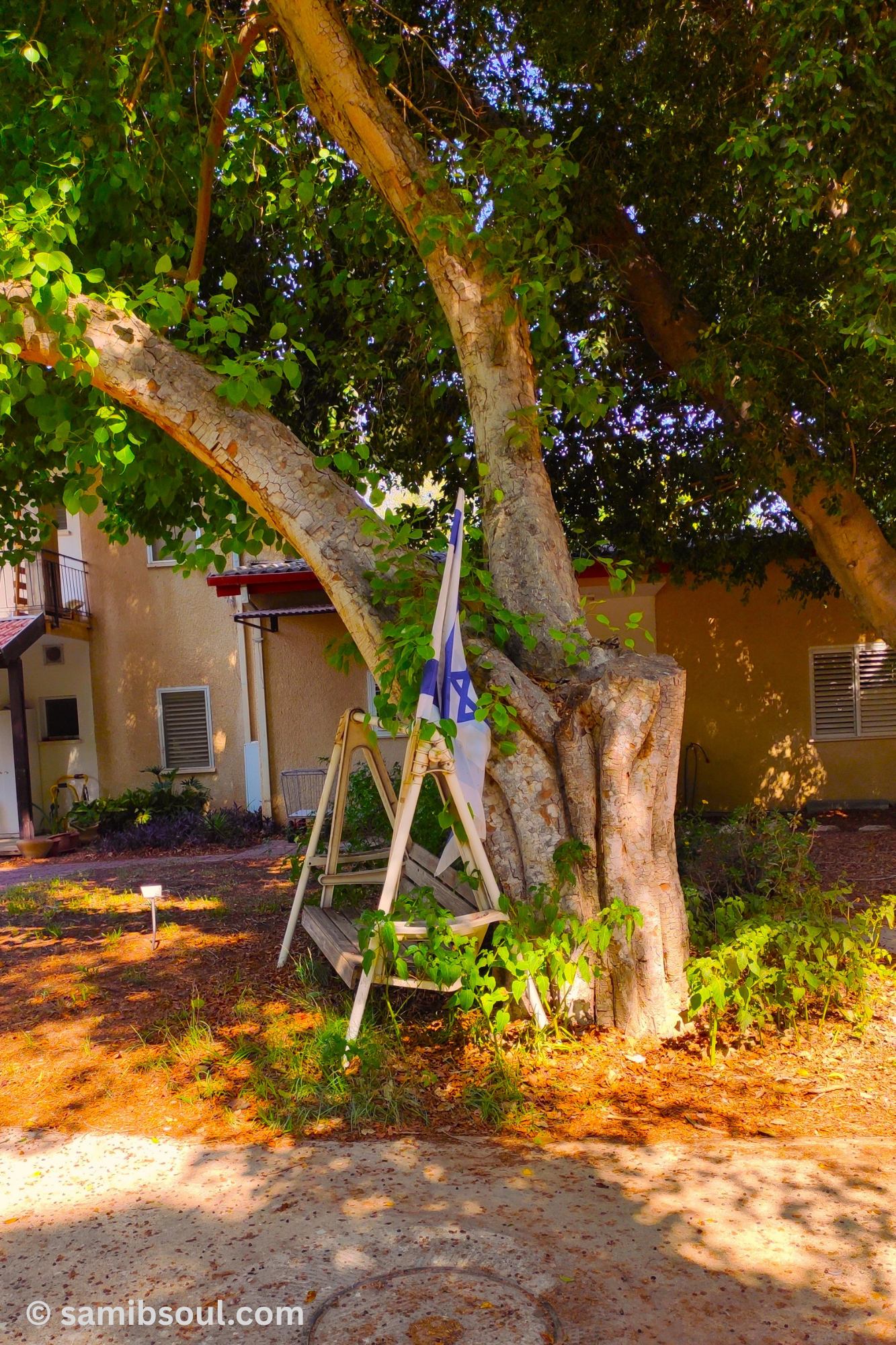
Resting spot under the shade of a tree, with the Israeli flag proudly displayed.
This article is protected by copyright. All rights are reserved. No part of this article, including text, photos, or any other content, may be reproduced, copied, or used in any form without prior written permission. © Samibsoul.com 2025
While they’re busy discussing which museum to visit next or planning their trip to the Dead Sea (ים המלח), I’ve prepared a surprise for them—one that would take them far off the well-worn tourist path. What I was about to show them was something that most visitors never get to experience. A place where the history and soul of Israel are alive today, still growing, still thriving.
I choose the קיבוץ שדה אליהו (Kibbutz Sde Eliyahu)🌴🌴🌴
In a world that celebrates speed and convenience, Sde Eliyahu (שדה אליהו) stands still, with its own rhythm and heartbeat. It’s not just a place to visit—it’s an experience that leaves an imprint on your mind long after you’ve left Israel.
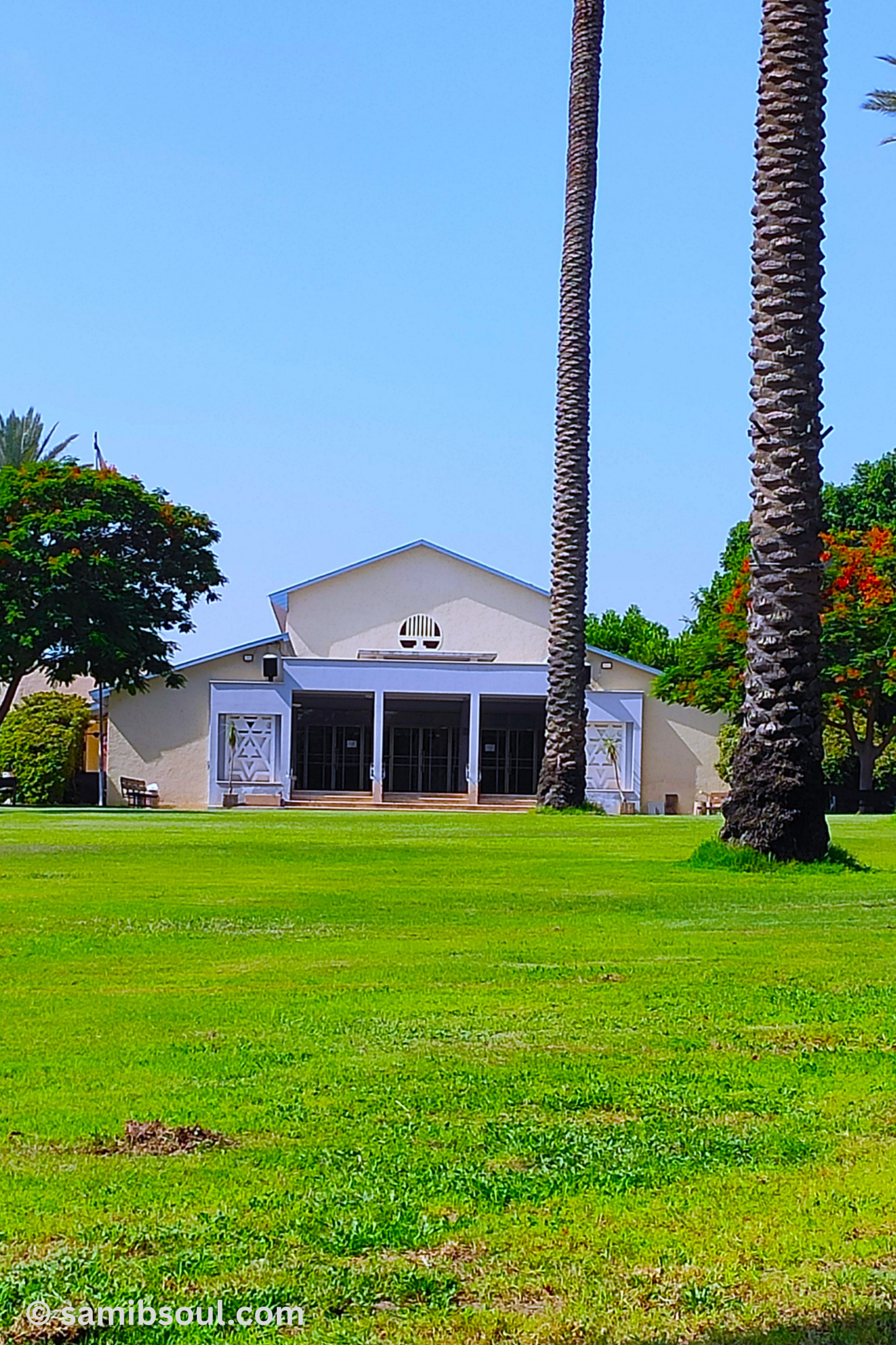
The Sde Eliyahu Synagogue, embraced by date palms and lush green grass.
As we drive away from the familiar tourist routes and deeper into the tranquil landscapes of the Israeli countryside, my students lean forward, curiosity piqued. They’ve seen one side of Israel, but I’m about to show them a different perspective, often unnoticed by most travellers.
As we pulled into the heart of the Israeli countryside, I couldn’t help but think of the rich history surrounding the Kibbutz we were about to visit. Kibbutz Sde Eliyahu (שדה אליהו) is not just a place—it’s a living testament to Israel's past, present, and future. Located in the picturesque עמק המעיינות (Emek HaMa'ayanot), near Highway 90, this religious, cooperative community is home to around 1,200 residents, all bound together by a shared vision and a deep connection to their land, their faith, and each other.
Established as part of the חומה ומגדל "Tower and Stockade" movement, Sde Eliyahu was named after Rabbi אליהו גוטמכר (Eliezer Gutmacher). It’s a name that carries weight, in the history of this Kibbutz and in the very spirit of its dream.
What sets this place apart are several factors: the landscape, agricultural success, vibrant communal life pulsing through every corner, and countless other aspects you're about to discover.
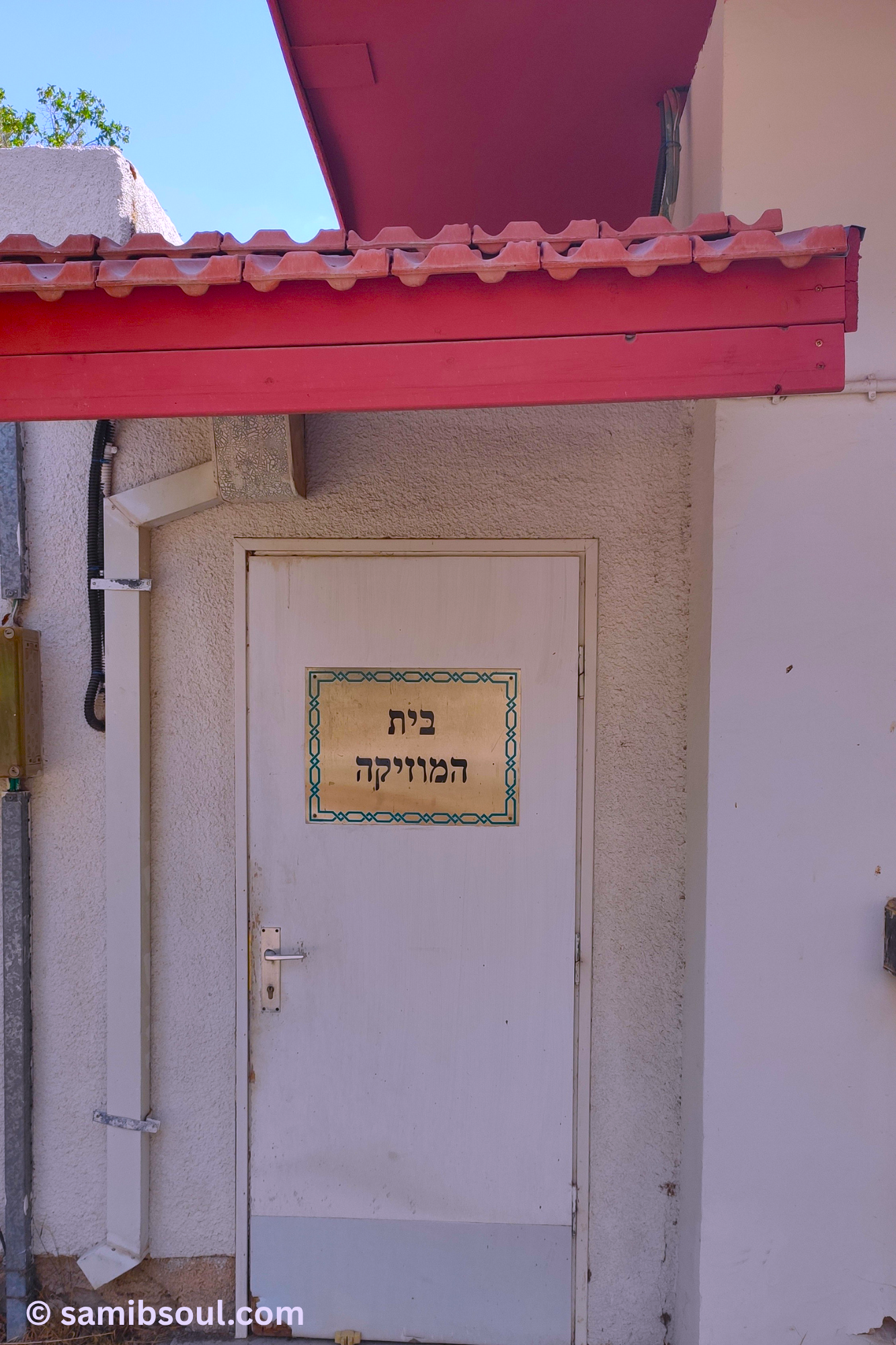
Beit HaMusica-The house where melodies take shape.
Sde Eliyahu (שדה אליהו) has become one of the most sought-after communities in the region, attracting people who want to live a life rooted in tradition, community, and the love of the land. It's more than just a place to live; it’s a מקום עם תחושת שייכות, a place to belong.
The Kibbutz is also a cultural and educational hub for many of the surrounding Kibbutzim (קיבוצים). Here, you’ll find the regional school Shaked (שקד), where young minds are nurtured, as well as a unique study hall for army veterans, blending agricultural work with Jewish learning, echoing the ideals of its founders.
At the heart of the קהילה community lies a deep devotion to the Jewish people, the land of Israel, and the teachings of the תורה Torah. Every corner of Sde Eliyahu (שדה אליהו) resonates with this connection—a place where history is not only preserved but lived, day by day.
We arrived at the Kibbutz gate, and as if on cue, one of the Kibbutz members opened the gate for us with a warm, welcoming smile. We drove the short distance through tree-lined roads and past the small BIO-based manufacturing facilities, heading towards the heart of the Kibbutz. Our destination? The tourist center, specializing in tours on organic agriculture and biological pest control.
There, waiting for us with a calm and friendly presence, was Efrat (אפרת)—one of the members I had planned this experience with for my students. Alongside her stood our guide, Aviya (אביה), a young man full of energy and passion, ready to share the ins and outs of the Kibbutz. After a warm greeting, we gathered for a quick coffee break. The aroma of freshly brewed coffee mixed with the crisp, clean air of the countryside, setting the tone for what would be a fascinating and eye-opening tour.
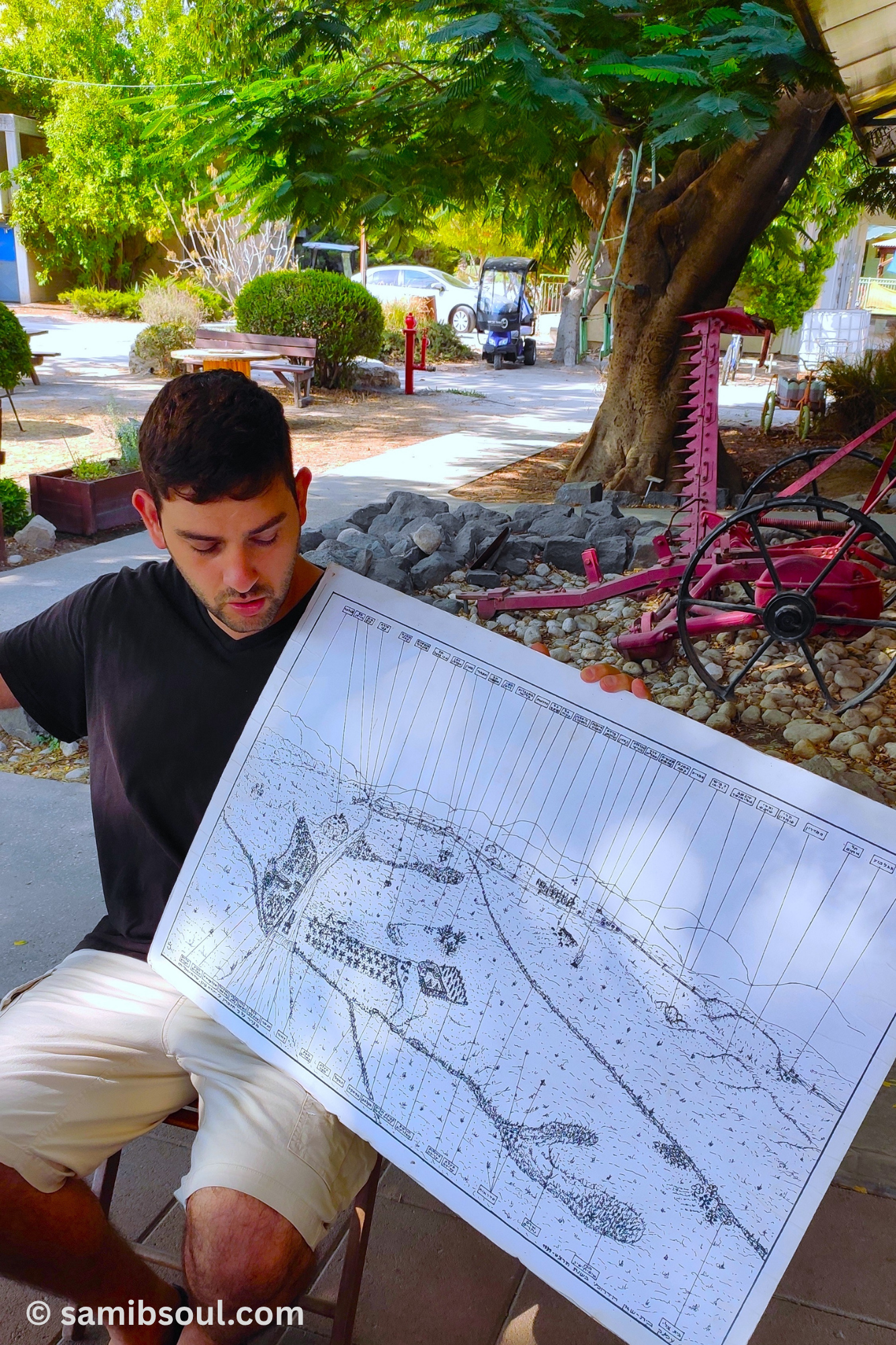
The map whispers, but Aviya knows its secrets by heart.
We gathered around the tables, and Aviya (אביה), our guide, sat before us with a welcoming smile. He began with a brief introduction about the Kibbutz, its rich history, and its evolution over the years. As he spoke, he unfolded a large black-and-white map of the region from 1939. The map showed how the area looked at that time—before modern roads and developments reshaped the landscape.
Aviya pointed to various sections of the map, his finger tracing the old settlements. "This is where it all began," he said, his voice resonating with the weight of history. "What you see here is not just land; it’s a symbol of resilience—a vision that has endured through the decades."
As he spoke, the students eagerly asked questions, each more curious than the last. It was clear the history of the Kibbutz had caught their attention, and their excitement grew with every answer. After the brief introduction, we set off on foot, eager to explore the Kibbutz.
Our first stop took us near a yard full of old, discarded objects—junk scattered without purpose. Yet, as we stood there, I realized this was no ordinary collection of items. The concept behind it was fascinating and brilliant.
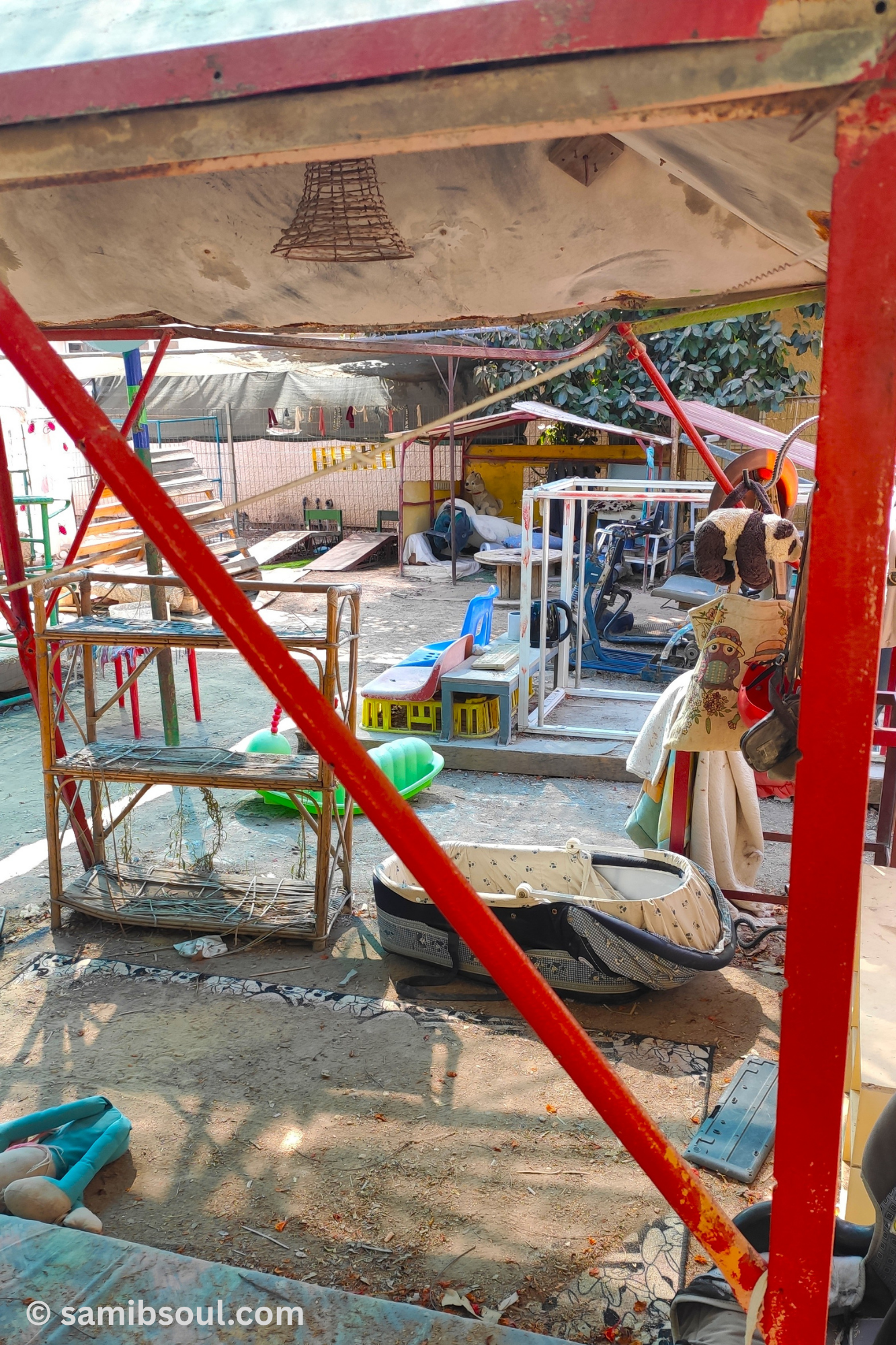
A collage of discarded things—where rust, wood, and wonder teach what textbooks cannot.
The חצר הגרוטאות (junkyard) is a corner of the Kibbutz, tucked away near a children's garden. But it isn’t just a pile of discarded materials—it’s a carefully designed space that fosters creativity, learning, and personal growth. The idea is simple yet profound: the yard allows children to interact with a variety of objects and materials once taken out of use. The aim is to help balance and develop a child’s personality by offering an environment rich in sensory experiences.
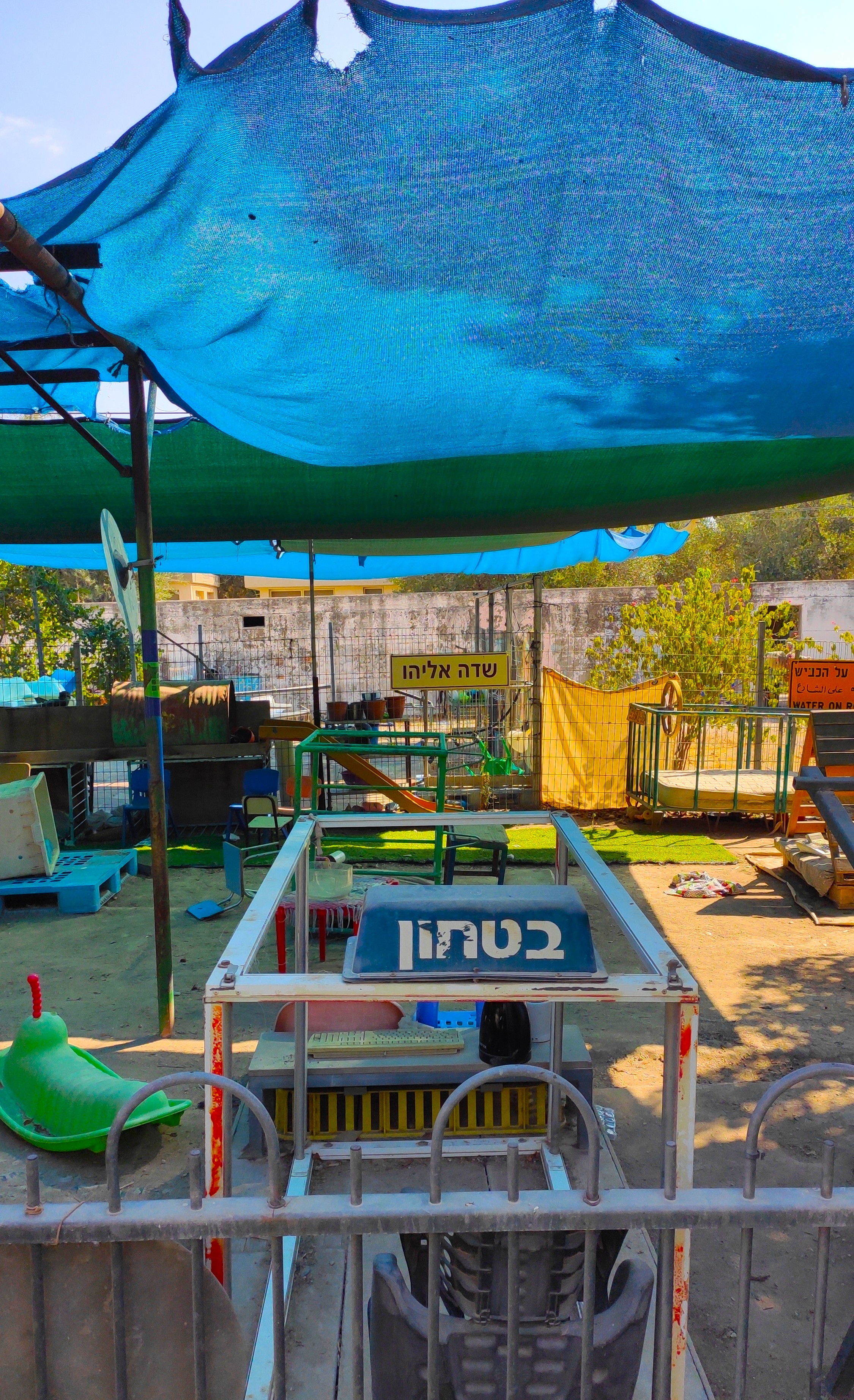
Some see junk. Malka Haas saw a classroom. Every scrap a teacher, every child an inventor.
The objects in the yard invited hands-on exploration—tools, wood, old machines, and more—each piece holding the potential for a new lesson. The children here don’t just play; they experiment, learn, and discover the world in a way that stimulates both their minds and senses. The role of the teacher and parent, as Aviya (אביה) explained, is to guide and motivate, but never to intervene directly in their activity.
The idea for this חצר הגרוטאות ('junkyard') was developed by Malka Haas (מלכה האס), a member of Sde Eliyahu, and later extended to Oranim College. This concept of free-form learning echoed in the 'Flowing Garden' project of Gideon Levin (גדעון לוין), which shared similar principles of creative learning through hands-on experiences.
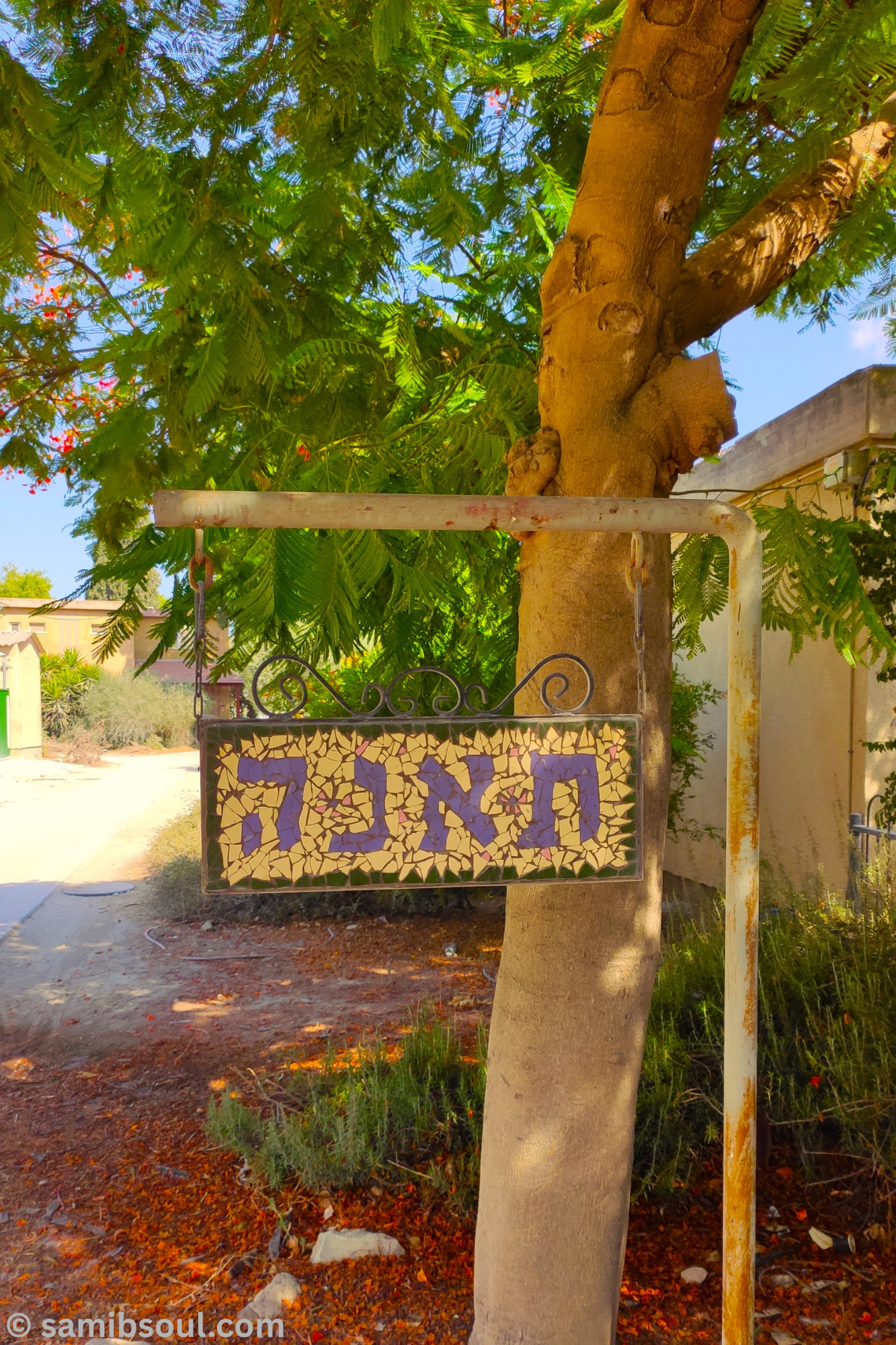
Not just roads, but roots - winding trails named for the fruits that nourish both land and soul.
As we continued our walk through the Kibbutz, we noticed something unique about the paths crisscrossing the land. Each trail was named after fruits and vegetables, a subtle yet meaningful tribute to the land sustaining the community. There’s the Fig Path (שביל התאנה), the Mulberry Path (שביל התות), and even the Eggplant Path (שביל החציל). It’s as if every corner of the Kibbutz whispers a connection to the earth—a reminder of the produce the community grew and cherished.
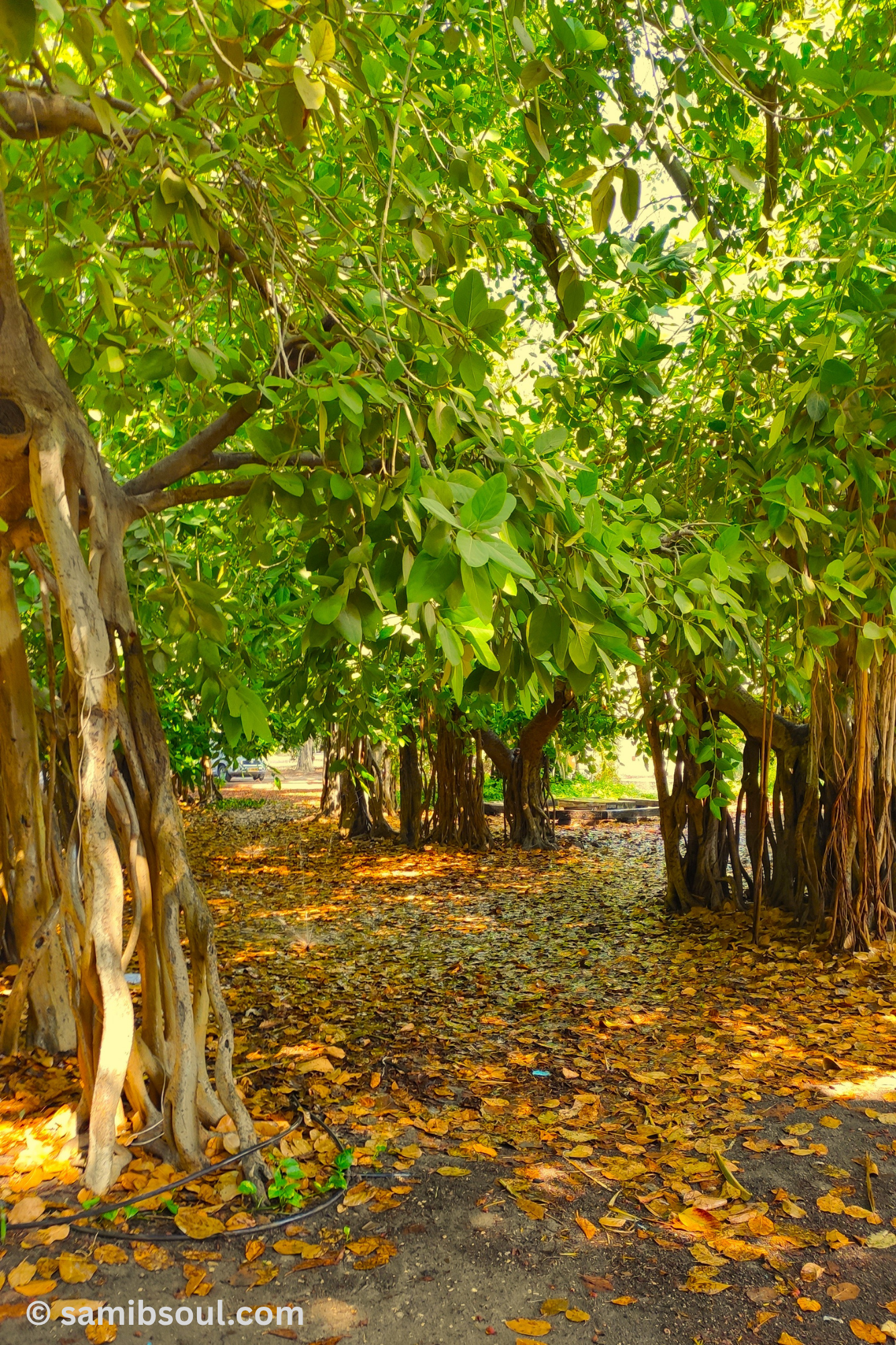
A living archive of roots and resilience, where every branch holds a Kibbutz memory.
While walking further, we arrived at the center of the Kibbutz. Aviya (אביה) pointed to the towering Banyan fig trees, their thick trunks and broad leaves casting cool shadows over us. The Banyan fig tree (Ficus benghalensis), a member of the fig genus and mulberry family, has become one of the most iconic trees in the Kibbutz. Known for its evergreen nature, it’s more than just an ornamental tree—it’s a playground, a place where the community, especially the children, connects with nature.
If you visit the Kibbutz at the right timing, you’d see the children climbing the thick branches, their laughter filling the air as they scale the sturdy trunks and explore the tree’s many nooks. It became a beloved part of the Kibbutz, offering shade and fun to all who ventured beneath its leaves. Planted in 1943, the tree grew alongside the Kibbutz, becoming a living symbol of resilience and life in this place.
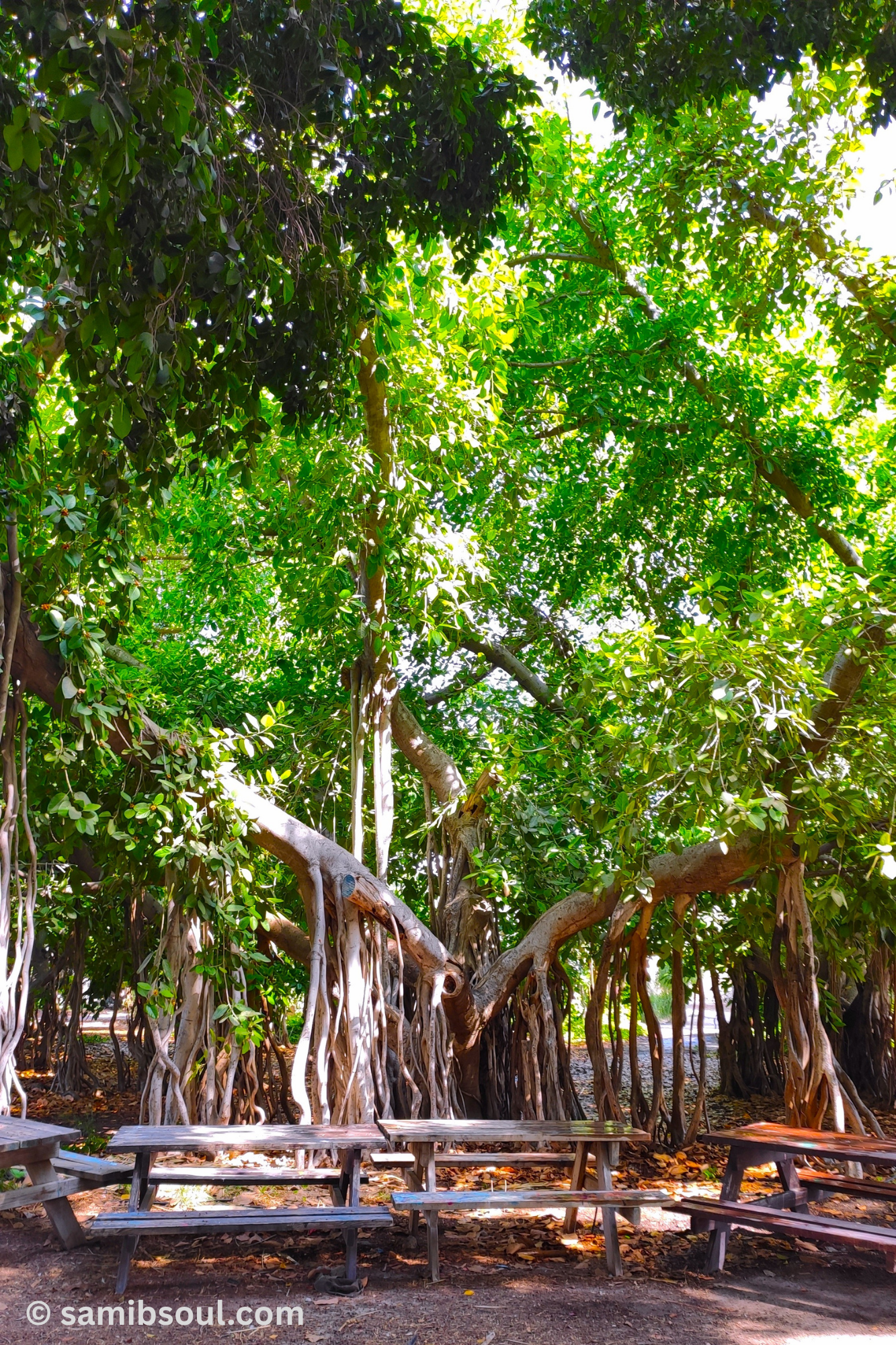
The best classrooms have no walls. Future climbers, future storytellers—meet the tree that grew up with the Kibbutz.
This peaceful grove is designed as a cool, shaded haven for the Kibbutz members, offering respite from the summer heat. The landscape architect, Yitzhak Kuttner (יצחק קוטנר), designed this tranquil retreat and brought the unique saplings from the great banyan tree at Mikveh Israel (מקווה). The trees, now towering above us, stand as silent witnesses to the passage of time, each one with its own story to tell.
Sde Eliyahu remains deeply rooted in the traditional kibbutz model, where community life forms the core of daily routines. Meals are shared in the communal dining hall, bringing everyone to the table. The needs of each member are met collectively, including healthcare, housing, laundry, and personal essentials. Each person receives an allowance for personal expenses—clothing, holidays, and other needs—ensuring that everyone’s basic lifestyle is supported.
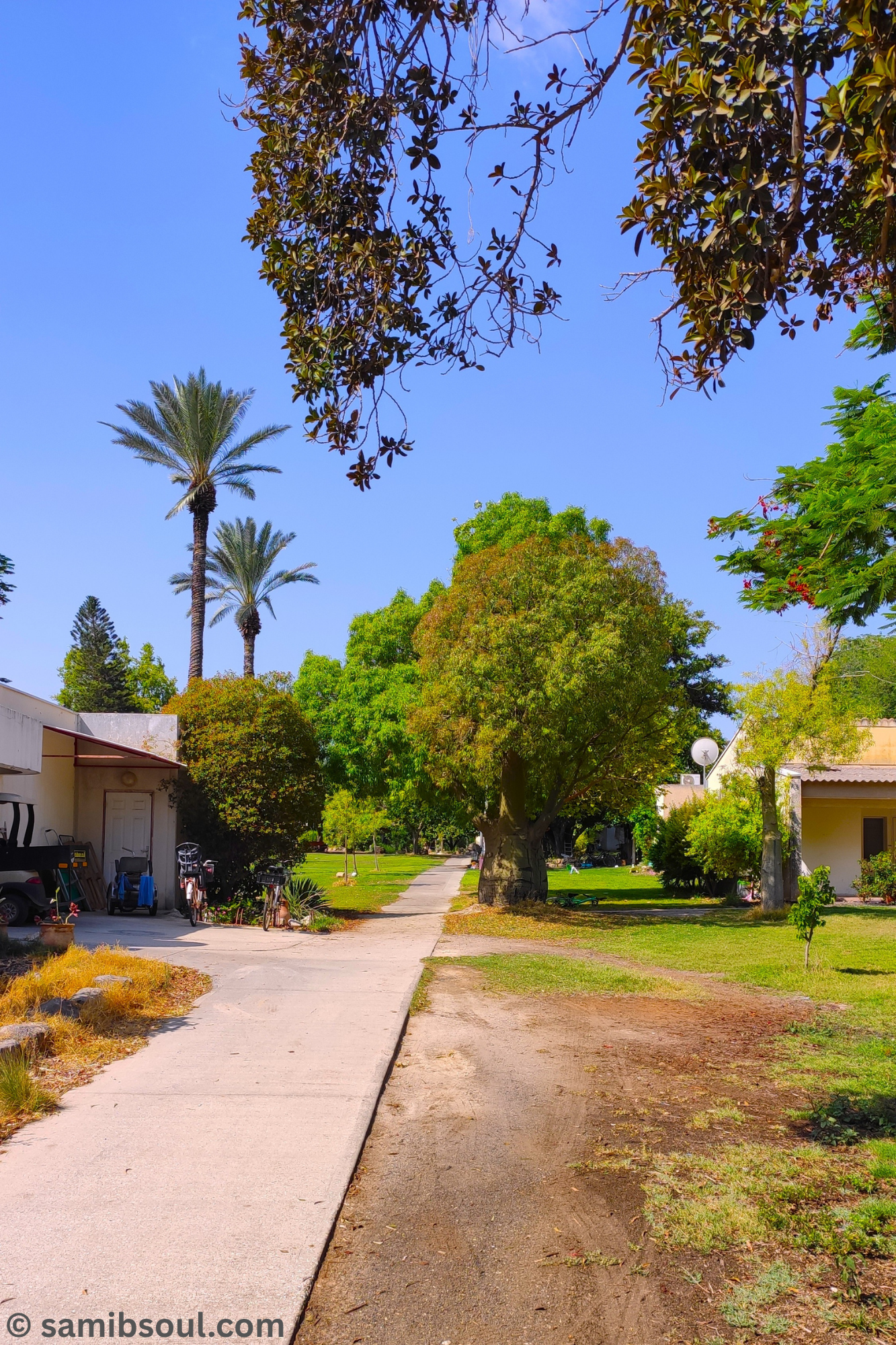
Where kibbutz life and nature meet - a quiet path between homes and palms, between daily life and timeless grace.
One of the key aspects of kibbutz life is the strong emphasis on education and personal growth. A significant portion of the community members are encouraged to pursue further studies, whether in Jewish traditions, general education, or vocational training. It’s about nurturing personal development while preparing for future responsibilities within the community.
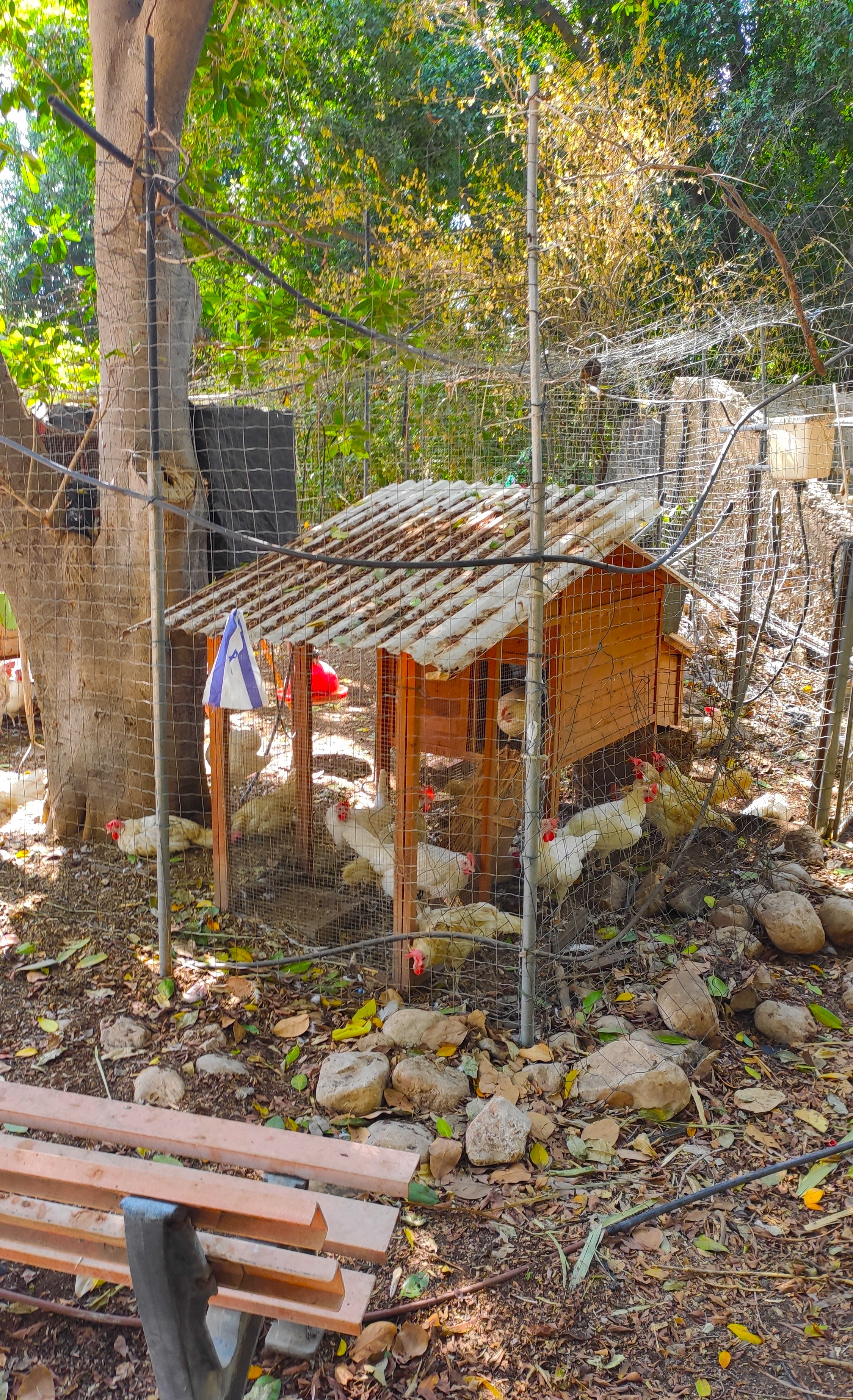
Little hands kibbutzniks, big responsibility - where kibbutz kids learn that eggs come from care before they come from hens.
The heart of decision-making lies in the "general meeting," held weekly. This meeting is the supreme governing body of the Kibbutz, embodying the spirit of direct democracy that has always been a hallmark of kibbutz life. The administrative body, called the secretariat, is elected and usually consists of five members. While they play a key role in governance, many aspects of kibbutz life are managed by elected committees, each overseeing areas like Education, Culture, Religious Affairs, and Economic Development. These committees operate within a budget set annually by the general meeting, yet they have considerable independence in shaping their respective fields.
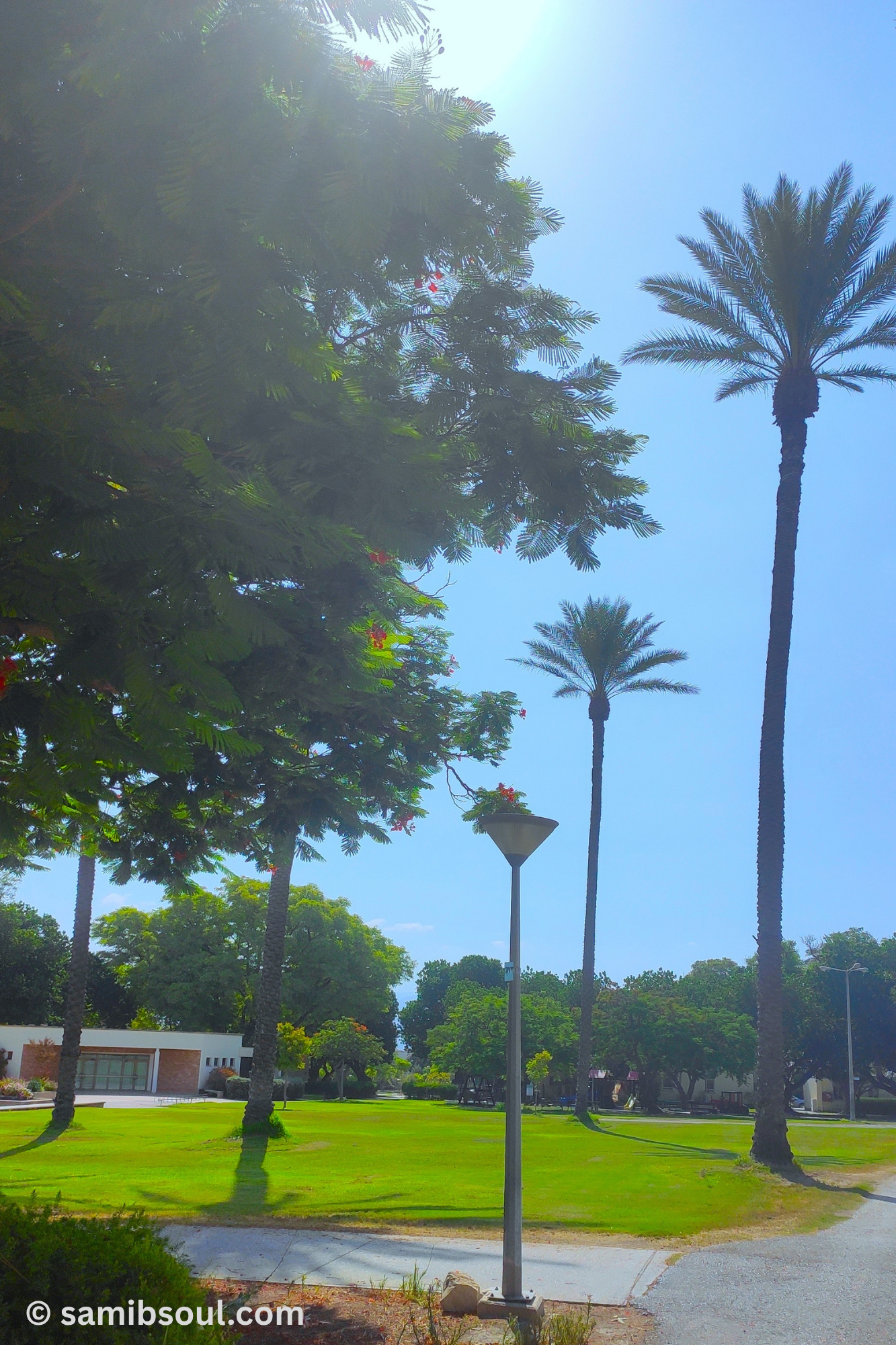
A moment borrowed from eternity: sun, sky, and the quiet strength of rooted things.
For the younger generation, the regional school at שדה אליהו Sde Eliyahu is a vital institution. Serving around 1,400 students from six surrounding religious kibbutzim, the school blends Torah studies with modern subjects in its comprehensive curriculum. Equipped with laboratories, craft workshops, computer rooms, and specialized departments like agro-mechanics and domestic science, the school prepares its students for life within the Kibbutz and the broader world. It instills a balance between faith, culture, and the technical skills necessary for a modern, sustainable community.
Next to the Synagogue is the בית מדרש Beit Midrash, a place of spiritual and intellectual pursuit. It includes a lecture hall, Torah library, study rooms, and libraries for both adults and children, serving as a hub for regional religious activities and education. Regular lessons and intensive study sessions in Written and Oral Law offer deep immersion in Jewish tradition. Over the years, many Kibbutz members have pursued higher education in ישיבות yeshivot, universities, and other institutions, helping the community grow intellectually and spiritually.
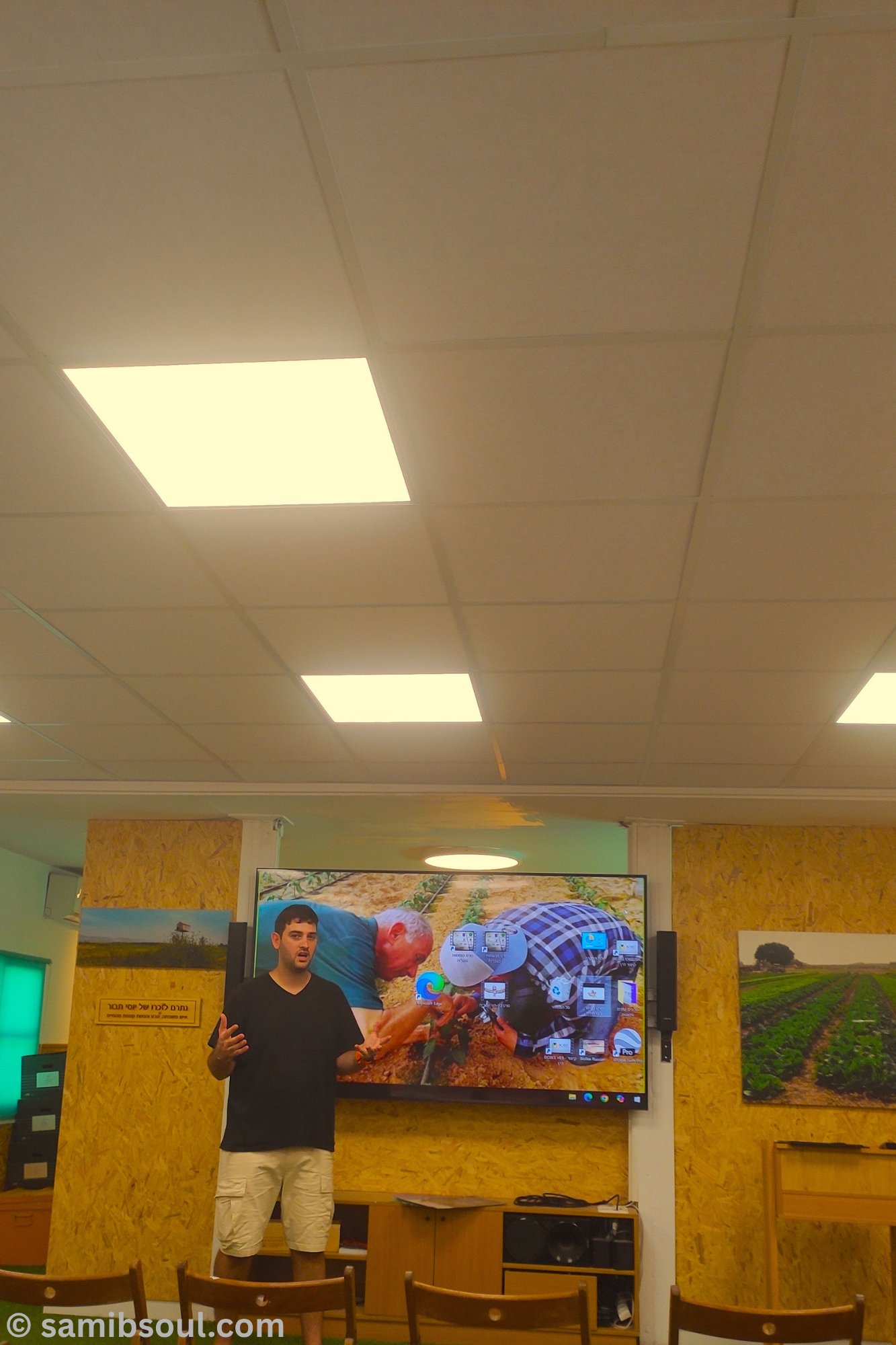
From humble rooms to global impact—where visionaries turn kibbutz values into world-changing ideas.
After a brief tour of the Kibbutz, we entered a small room designed for presentations. We were shown a video offering a deeper look at the remarkable projects and companies born from Sde Eliyahu's innovative spirit.
The first company featured, BioBee Biological Systems, is a global leader in integrated pest management and natural pollination. It was fascinating to learn how BioBee pioneered biologically-based methods to control pests, like the red spider mite, by producing Phytoseiulus persimilis—the most effective natural predator of the pest. With products sold in over 50 countries, BioBee’s expertise in biological pest control is a prime example of the Kibbutz's commitment to sustainability and innovation.
The video highlighted the legacy of the בית שאן Beit She'an Valley, renowned for its rich biblical history and fertile land. In 1939, a group of idealistic settlers founded Kibbutz Sde Eliyahu, dedicating themselves to revolutionizing agriculture. One key company born from this vision was S.D.A. Spice, founded in 1987. Specializing in dehydrated herbs and spices, SDA Spice has become one of the largest agricultural companies in the Middle East. The company’s success lies in its location in the Beit She'an Valley, benefiting from a unique microclimate due to its proximity to both the Mediterranean Sea and the Sea of Galilee. The perfect climate and fertile soil make the region ideal for cultivating herbs and spices year-round.
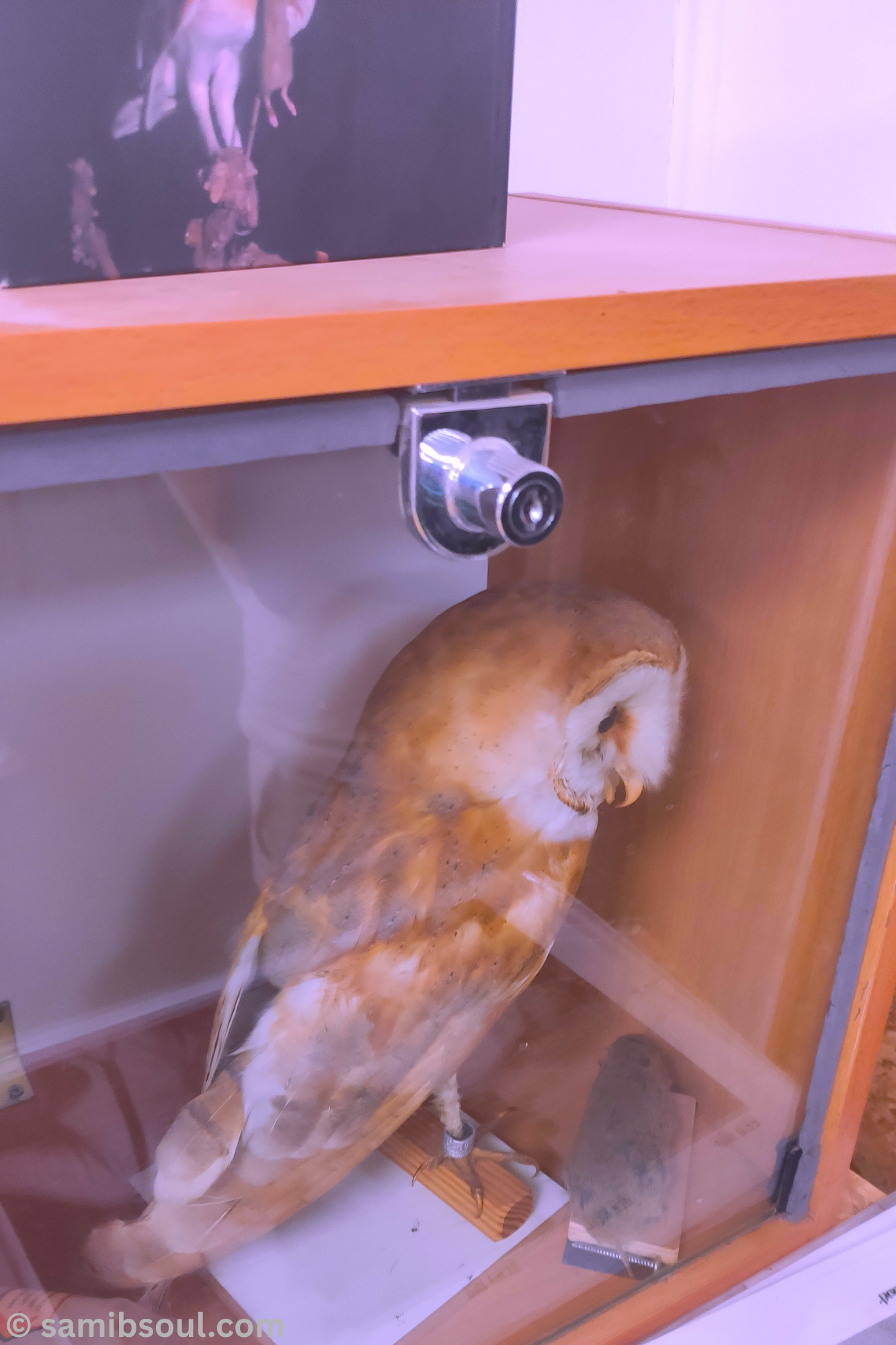
Guardians of the groves—where owls work the night shift, keeping the kibbutz’s dates (and ecosystem) in perfect balance.
What impressed me most about SDA Spice was its approach to quality control. From sowing the seeds to shipping the final product, SDA Spice ensures 100% traceability, monitoring every step for the highest level of quality. Their dedication to organic farming and innovation is evident in new products like tomato raisins and essential oils.
After the presentation, we hopped back into the car and continued our tour through the sprawling landscape of Sde Eliyahu. As we passed through the fields, rows of lush date palms instantly caught our attention, their tall trunks reaching toward the sky, laden with sweet fruit. Kibbutz Sde Eliyahu is one of Israel’s largest date growers, specializing in organic dates grown without chemical pesticides, fertilizers, or herbicides—just as nature intended.
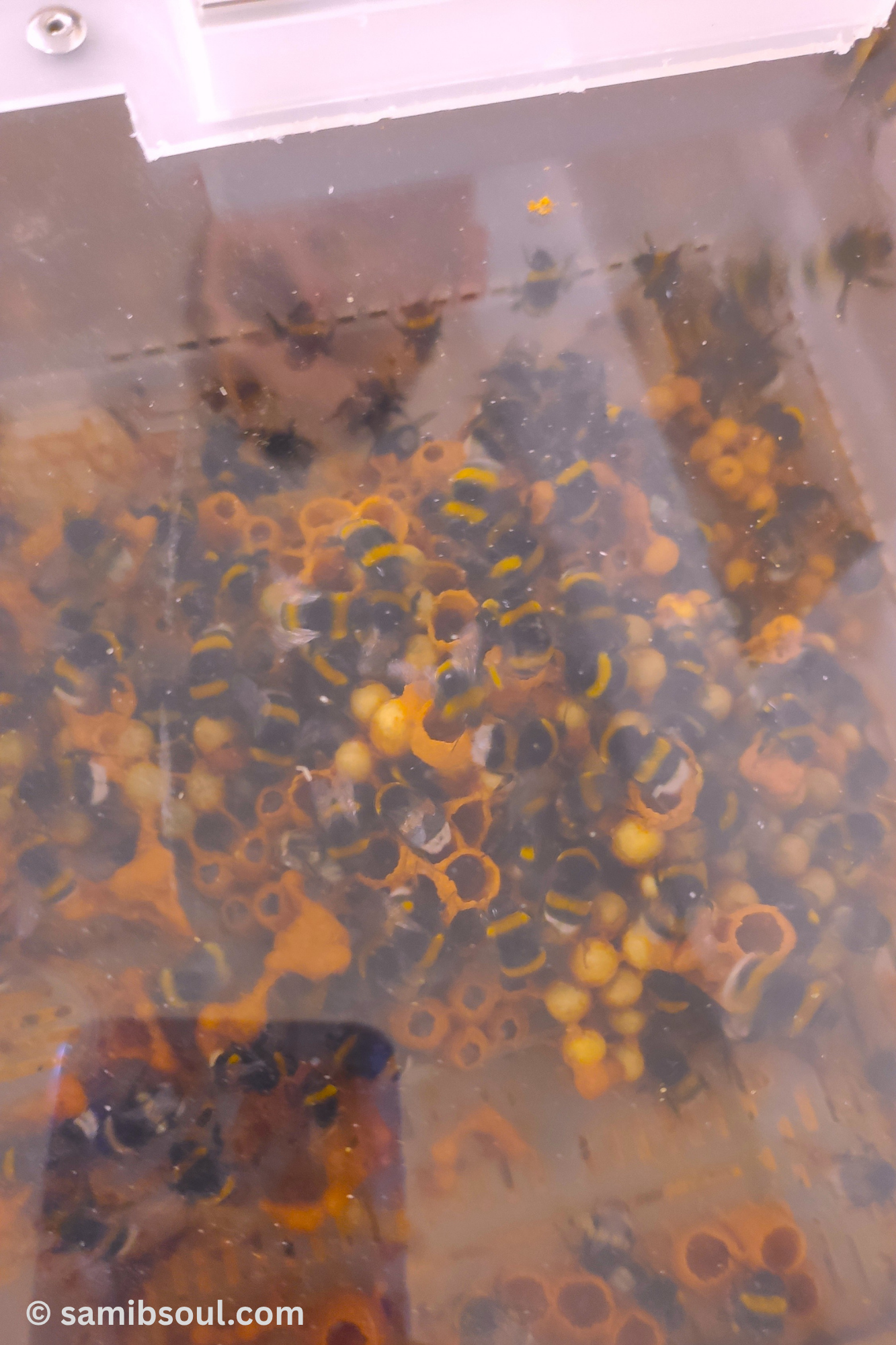
BioBee’s bumblebees—engineered for gentle pollination, unstoppable work ethic, and zero sweet tooth. No honey, no hostility, just relentless dedication to keeping crops thriving—rain or shine.
Located in the Beit She'an Valley, about 200 meters below sea level, the Kibbutz enjoys the perfect climate for date cultivation. The hot temperatures, combined with an abundance of water, create the perfect conditions for growing these nutrient-packed fruits. The benefits don’t stop there—these date groves have become a haven for migratory birds of prey and a large population of owls, which naturally keep the rodent population in check.
At Sde Eliyahu, they grow two main types of dates: המג'הול Majhool and חיאני Hiyani, available both fresh and dried. The dates are grown to the highest standards of organic agriculture and come in a variety of packaging options—bulk, gift packages, pitted, chopped, pressed, and even as date honey, syrup, pulp, and spreads.
What struck me most was not just the scale of production, but the health benefits these dates offer. Rich in natural sugars, they are an excellent source of energy and offer numerous health benefits. Dates are known to aid digestion and support conditions like constipation, high blood pressure, and high cholesterol. The Kibbutz’s commitment to producing such nutritious, natural products reflects their dedication to both the land and the health of their community and the world.
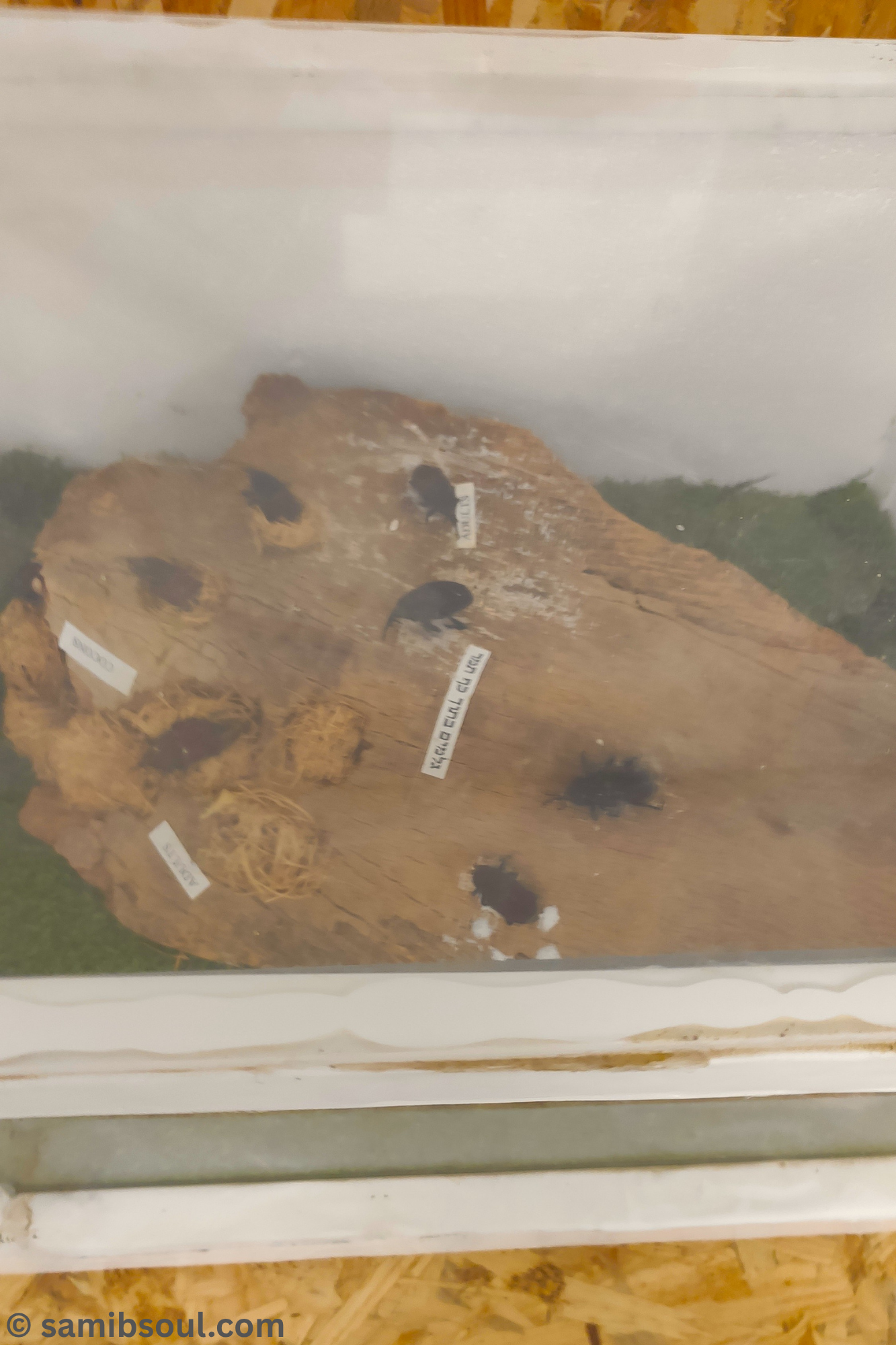
No poison. No resistance. Just nature's perfect balance - one predator insect at a time.
In the date groves of Sde Eliyahu, חמורים donkeys roam freely, grazing on weeds that once would have been controlled with chemical sprays. This shift reflects a larger change in the Kibbutz's approach to farming—an embrace of more sustainable, nature-friendly methods. A notable example of this eco-friendly thinking is their successful initiative to control rodent populations with owls.
אביה then explained the owl project at the Kibbutz, sharing how agriculture has always faced challenges with pests, particularly rodents, which cause significant damage to crops. Despite the extensive use of pesticides over the years, the problem persisted. Even with heavy spraying, the rodent infestation couldn’t be eliminated.
Then, in שדה אליהו, they turned to nature itself for help. The result? The introduction of owls as natural pest controllers. With their sharp eyesight and silent flight, owls became perfect predators for keeping the rodent population in check. This move is part of the Kibbutz’s long-standing search for creative, sustainable solutions—always seeking ways to work in harmony with the environment rather than against it.
In 1983, members of Sde Eliyahu decided to try an unconventional solution to tackle the persistent rodent problem damaging their fields. They introduced 14 pairs of barn owls, hoping these natural predators would control the rodents without the need for harmful pesticides. This initiative, which started as an experiment, quickly became a success story.
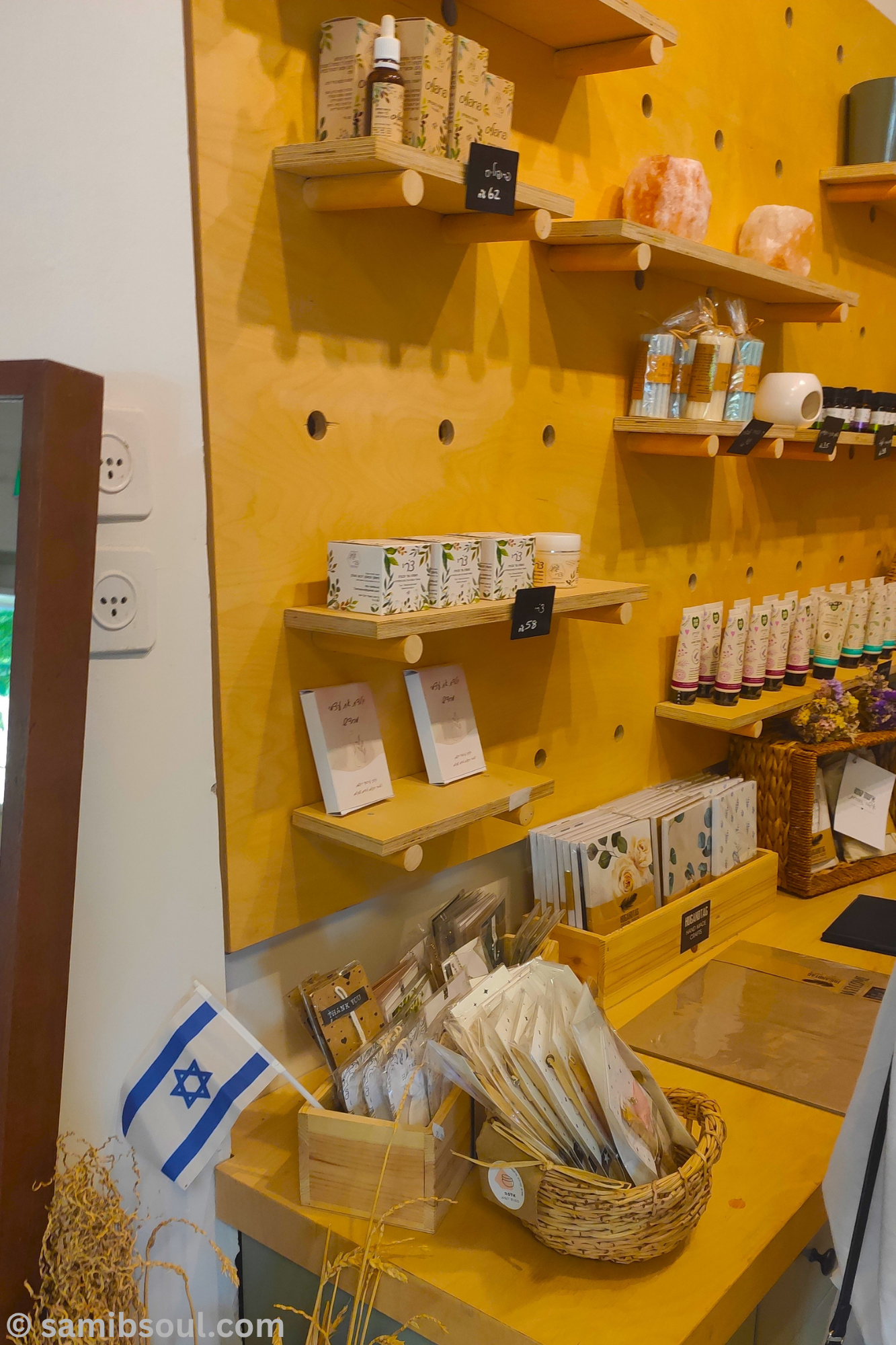
Where every jar, basket, and bottle tells the story of Sde Eliyahu's hands and harvests.
The idea came from a collaboration with Dr. Yossi Leshem יוסי לשם, a leading expert in birds of prey, who suggested using owls for biological pest control. Despite an initial setback, when the first batch of owls mysteriously disappeared, the project eventually gained traction. Over time, wild barn owls began residing in the nesting boxes provided by the Kibbutz, solidifying the program's success.
Today, the barn owls are an integral part of the Kibbutz’s pest control system. Their presence has significantly reduced rodent damage in the date groves and fields, particularly in the Beit She'an Valley. What began as a small experiment has expanded across the region, with over 1,700 nesting boxes now installed throughout Israel. The owls work alongside other predators, such as falcons and bats, creating a balanced, sustainable approach to pest management.
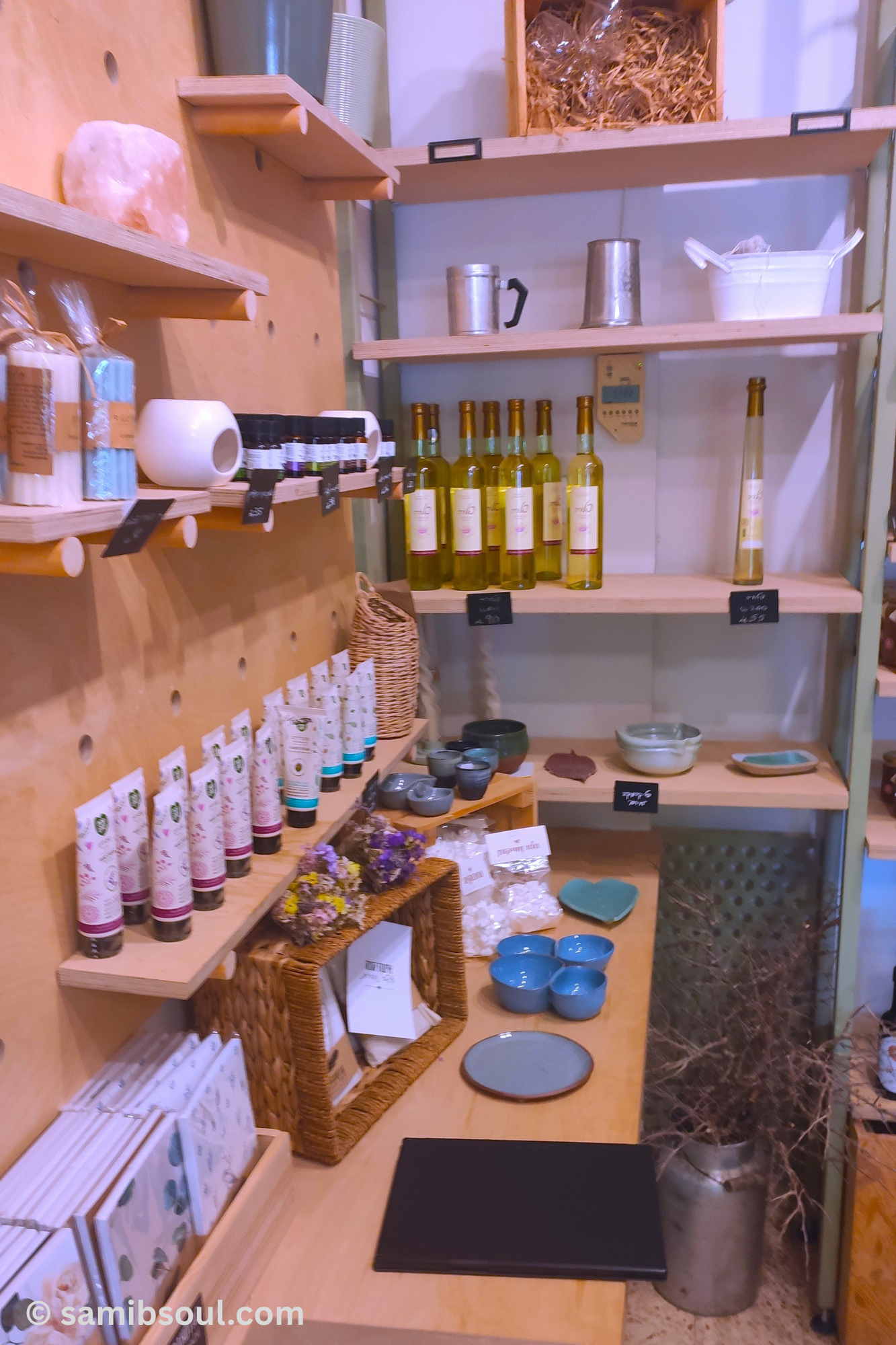
No artificial ingredients. Just sunlight, care, and generations of know-how sealed in every package.
At the heart of שדה אליהו Sde Eliyahu, Kibbutz members earn their living through various agricultural endeavors: field crops, livestock, and orchards. A large portion of the Kibbutz's fields are cultivated using organic farming methods, introduced to Israel by the late מריו לוי Mario Levi, a beloved member of the Kibbutz and the father of organic agriculture in the country.
So, the Kibbutz also owns BioBee, an international leader in biological pest control—it’s the first biological pest control factory in the world. Their commitment to sustainable farming extends to other ventures, including SDA Spice, a facility dedicated to drying spices, and their own compost factory, producing high-quality organic compost.
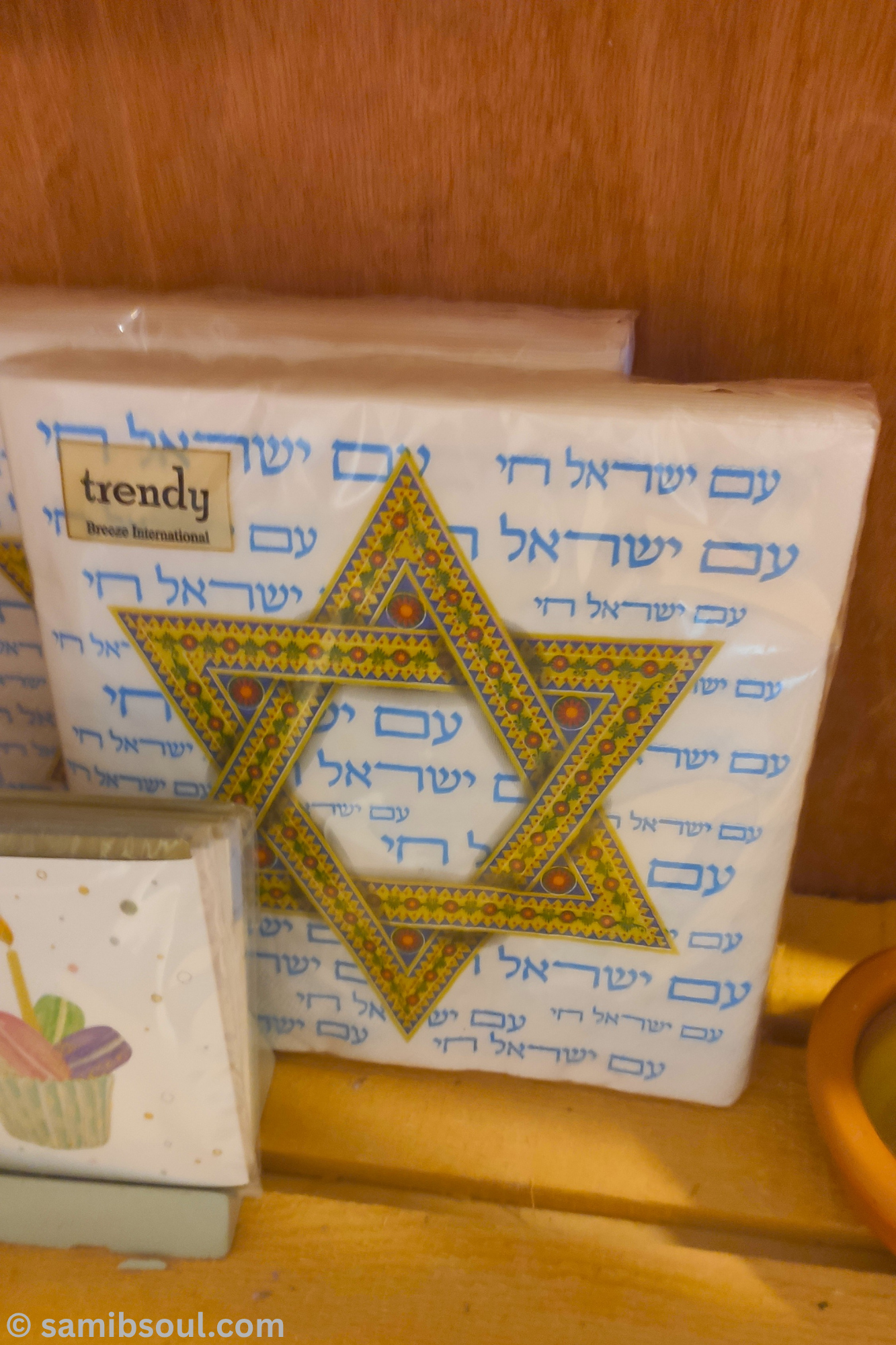
When 'local' isn't a trend but a tradition - farm-fresh flavors with roots deeper than the crops themselves.
Through the BioTour program, they embrace sustainability, a lifestyle choice they’re eager to share. Offering a range of tours, BioTour gives visitors an exclusive look into these innovative practices, guided by experienced, knowledgeable instructors.
For those looking to bring a piece of Sde Eliyahu home, there’s a shop stocked with organic produce and other natural products, as well as a charming café, קפה בשדה 'Kafe B'Shade,' where you can enjoy a light meal. To round out the full Kibbutz experience, visitors can even book a traditional meat meal in the Kibbutz’s dining hall, completing the circle of communal life.
In the early 1980s, one Kibbutz member, driven by a deep belief in sustainable farming, took a bold step. He requested that the community allocate 200 acres to experiment with organic vegetable farming. The idea was radical at the time, and many agricultural advisors from the Ministry of Agriculture were skeptical. They warned that without chemical sprays, the crops would fail. But he remained determined, having studied organic farming abroad. He knew it wasn’t an unattainable dream—it was a necessary, even economic, step.
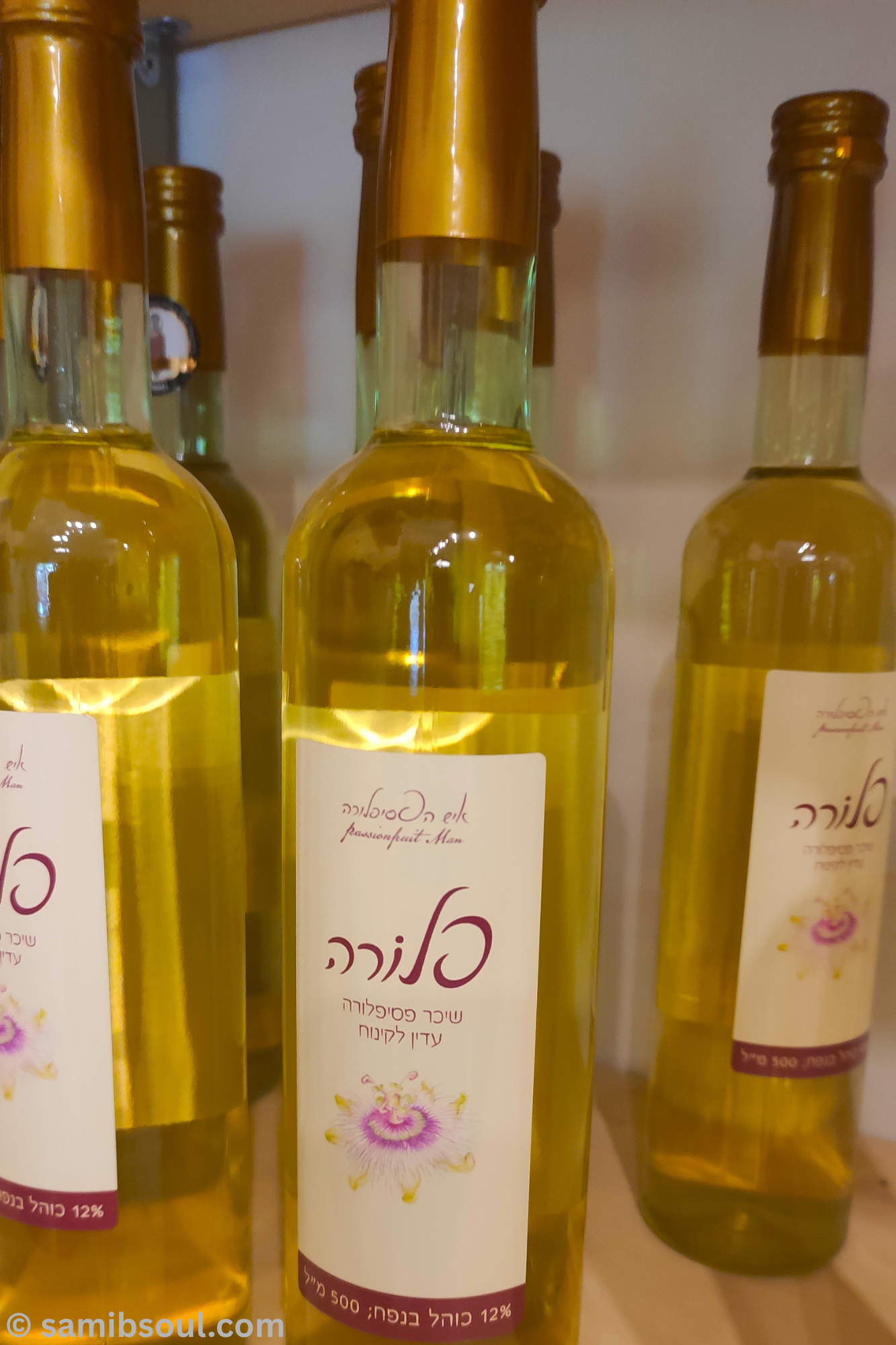
Proof that good food and drinks should nourish both people and the land it comes from.
Three years later, the experiment proved successful. Despite challenges like weeds, the crops thrived. They began selling their produce to countries like Switzerland, Germany, the Netherlands, and the UK. What started as an individual vision quickly gained traction within the Kibbutz, where others supported the idea. Together, they developed one of Israel’s first organic farms.
The success story spread beyond the Kibbutz, thanks to the individual’s commitment to promoting organic farming across Israel. He founded Israel’s first organic farming association and spent countless days traveling from farm to farm, sharing knowledge and offering guidance on transitioning to organic practices. He didn’t see it as a business venture but as a crucial step for the health of the land and its people.
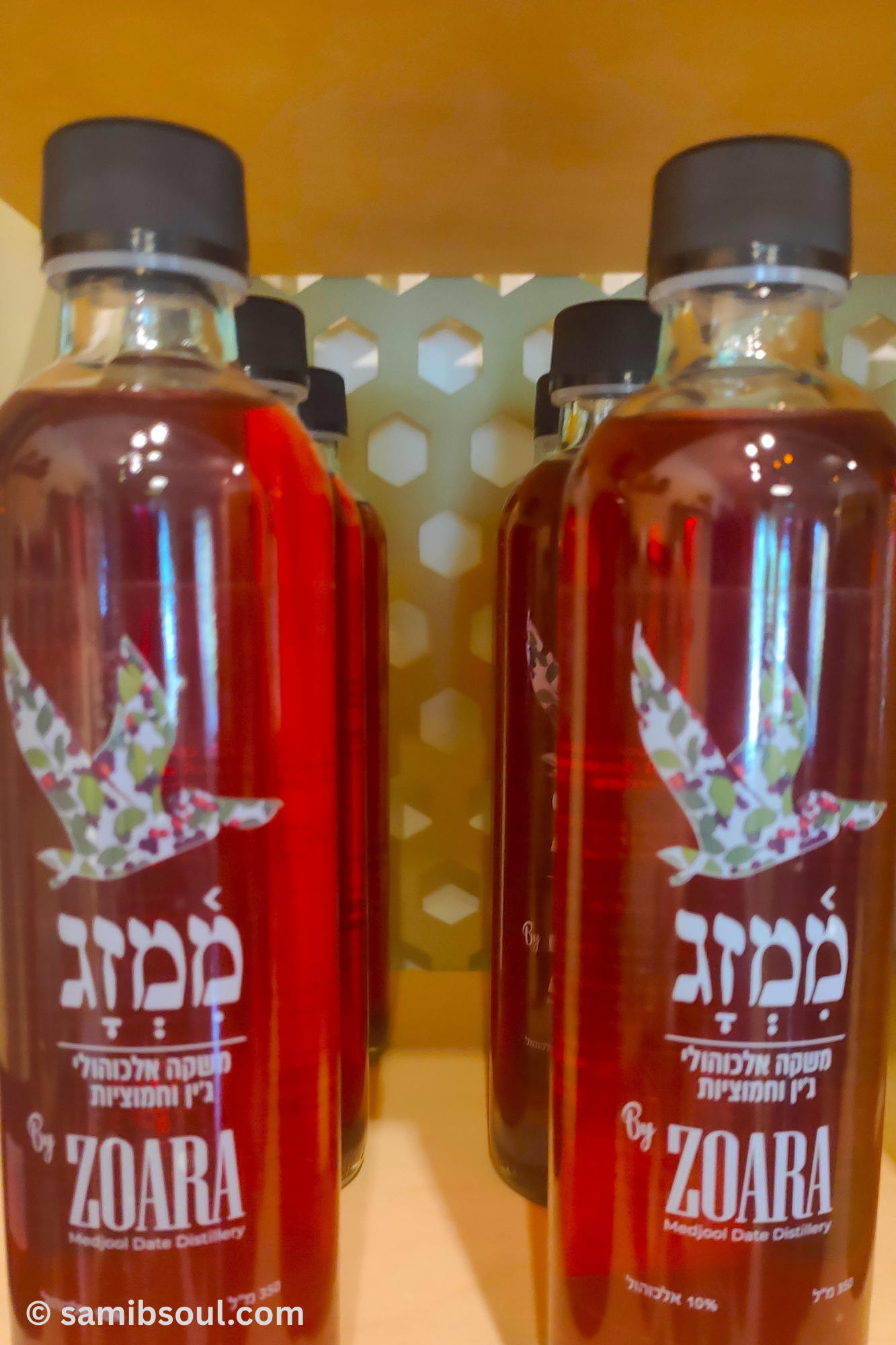
Every product whispers the same truth: good things grow when cared for with intention.
Over the years, the Kibbutz’s commitment to organic farming grew, not just as an agricultural method but as a core belief in protecting the natural world. For him and many at Sde Eliyahu, organic farming is intertwined with their faith, recognizing the deep connection between caring for the earth and their religious beliefs. In the traditional Jewish understanding, humanity is entrusted with the responsibility to protect and nurture God's creation. For the Kibbutz members, this is not just a business model; it was a moral imperative.
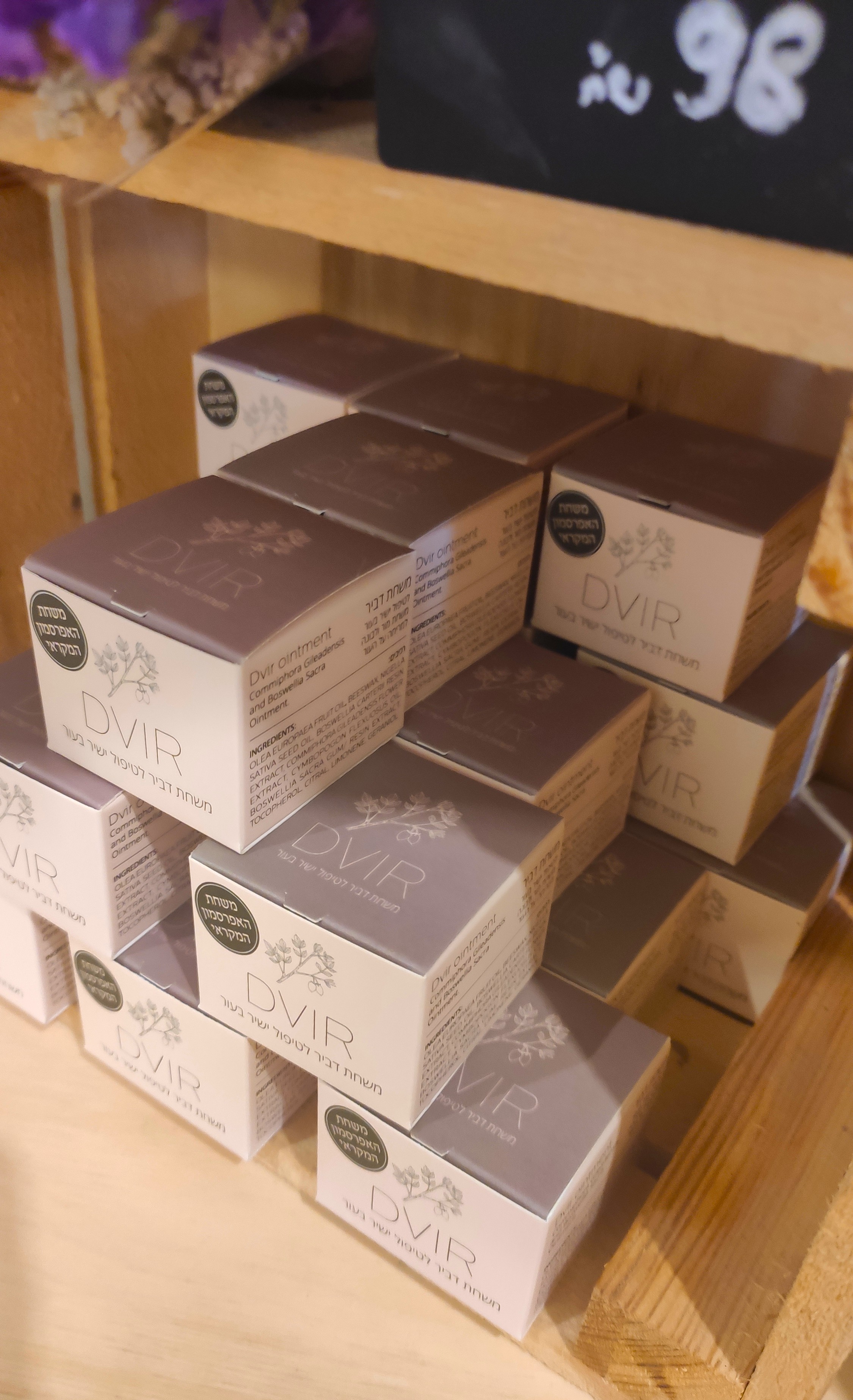
Long before it was a movement, it was simply the Kibbutz way of life.
© Samibsoul.com 2025